


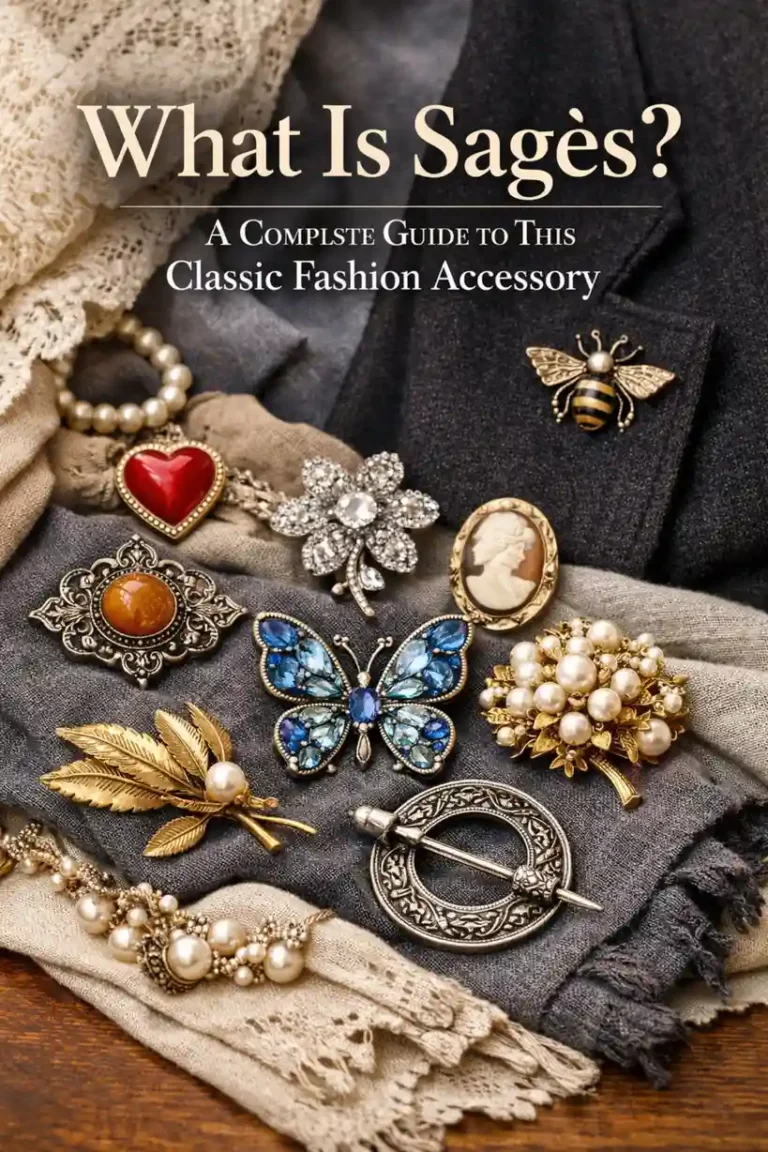
A small accessory can completely change how an outfit feels, and sagės are a perfect example. These decorative pins, similar to brooches, can draw attention to a collar, secure a scarf, or add quiet elegance to a simple blazer. They sit at the crossroads of fashion, tradition, and personal meaning, making them much more than a random piece of jewelry. For many people today, sagės offer an easy way to express personality, honor family history, and make everyday clothes look more thoughtful and complete.
Understanding Sagės as an Accessory
In simple terms, sagės are decorative pins worn on clothing, usually with a design on the front and a pin-and-clasp mechanism on the back. They are often compared to brooches because they share the same basic structure and purpose: they combine function and ornament.
Some pieces are tiny and subtle, while others are large enough to become the main focal point of an outfit. You can wear them on jackets, dresses, knitwear, bags, or even hats, which makes them one of the most adaptable accessories you can own.
A Brief History of Decorative Pins
The story of sagės connects to a long global history of decorative pins. Similar items date back to the Bronze Age, when people used early brooches, often called fibulae, to hold heavy garments together before buttons, zippers, and snaps existed. Over time, these practical fasteners turned into pieces of jewelry, made from bronze, silver, gold, and sometimes decorated with stones or enamel.
As clothing styles changed across centuries, the look of brooches changed as well, which is why historians and archaeologists often use them to help date old graves, garments, and artifacts.
Cultural Roots and Traditional Uses
While similar pins appear in many cultures, sagės have a special connection to traditional clothing in parts of Europe, including Baltic regions. There, they were used not only to fasten shawls and cloaks, but also to show regional identity, social standing, and even family ties.
Designs could include sun shapes, spirals, plants, and animal motifs that reflected local beliefs about nature, protection, and life cycles. In many families, these pins were handed down from one generation to the next, becoming quiet carriers of memory and personal stories as well as beautiful accessories.
Why Sagės Are Popular Again
For a while, brooch-style accessories were often seen as old-fashioned, something worn mainly by grandmothers, politicians, or royalty. That image is changing quickly. Fashion writers and trend watchers now point out that pins and brooches have made a strong comeback on runways, red carpets, and street style.
They fit perfectly with a mood that values individuality, vintage finds, and pieces that feel personal rather than mass produced. Many people are also trying to buy fewer clothes and instead refresh the garments they already own, and sagės are a smart way to do that without a full wardrobe overhaul.
Common Styles and Designs
Modern sagės come in many shapes and sizes, so it is easy to find something that matches your taste. Some designs are delicate and floral, featuring petals, leaves, or branches that look almost like small wearable sculptures. Others are geometric, using clean lines, circles, bars, and abstract forms for a modern, minimal look. Animal themes are also very popular, from birds and butterflies to dogs and bees, often chosen because they match a personal story or favorite symbol. On top of that, you will find classic bar pins, vintage-inspired crystal clusters, enamel pieces in bright colors, and playful novelty designs that add humor or pop-culture references to an outfit.
Materials and Construction
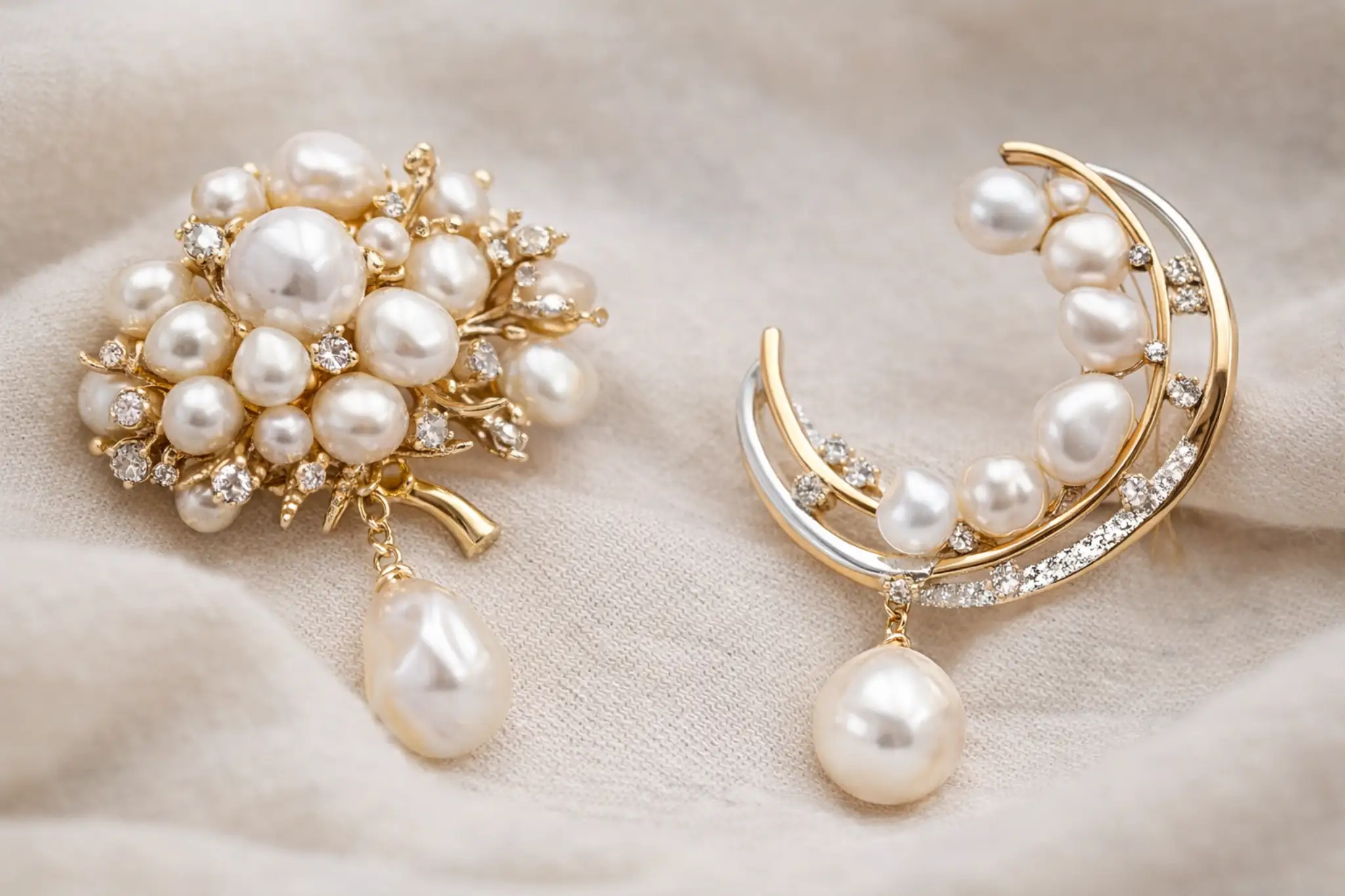
Most sagės are made from metal, but the exact mix of materials can vary widely. Traditional pieces often use bronze, silver, or gold, sometimes combined with pearls, glass, or gemstones. Many contemporary designs use brass, stainless steel, or plated alloys that keep the look of precious metal while staying more affordable. Makers may add enamel for solid color, resin for a glossy finish, or fabric and beads for a softer, textile feel. On the back, a pin passes through the fabric and locks into a catch or rotating safety clasp, which is what holds everything in place while you move through your day. The strength and length of that pin matter: heavier pieces with longer pins are better for coats and structured garments, while lighter pins suit thinner fabrics and knitwear.
How to Wear Sagės With Modern Outfits
Part of the modern charm of sagės is how flexible they are. Instead of staying on a single lapel, you can move them around your wardrobe and experiment with different placements. For example, you might wear one on the collar of a button-down shirt, at the center of a dress neckline, or near the shoulder of a sweater. You can also try them on outerwear or accessories to change the mood of your look without changing your clothes. Some popular ideas include:
-
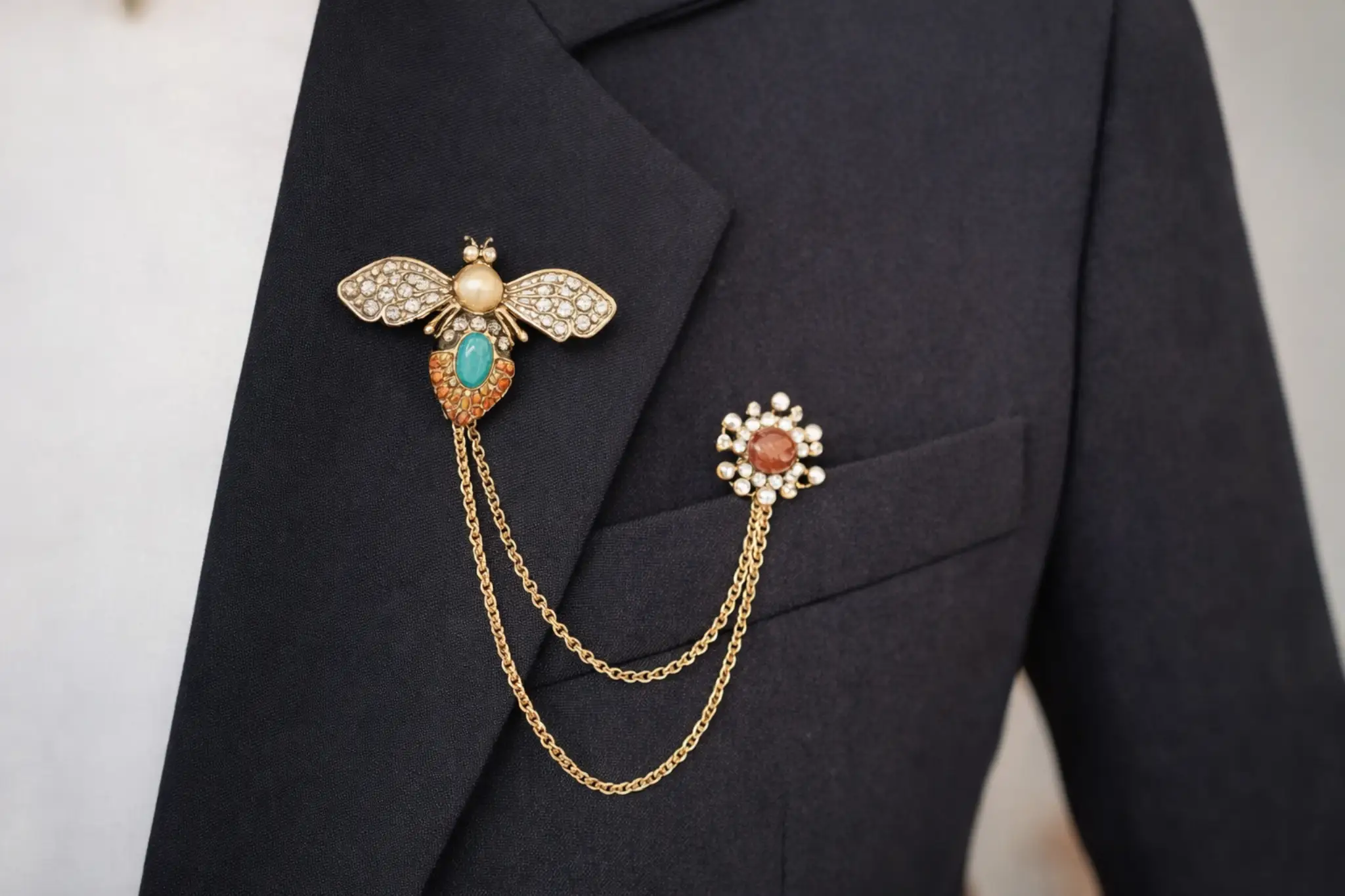
Pinning a medium-sized sagė to the lapel of a blazer or coat to add a polished focal point
-
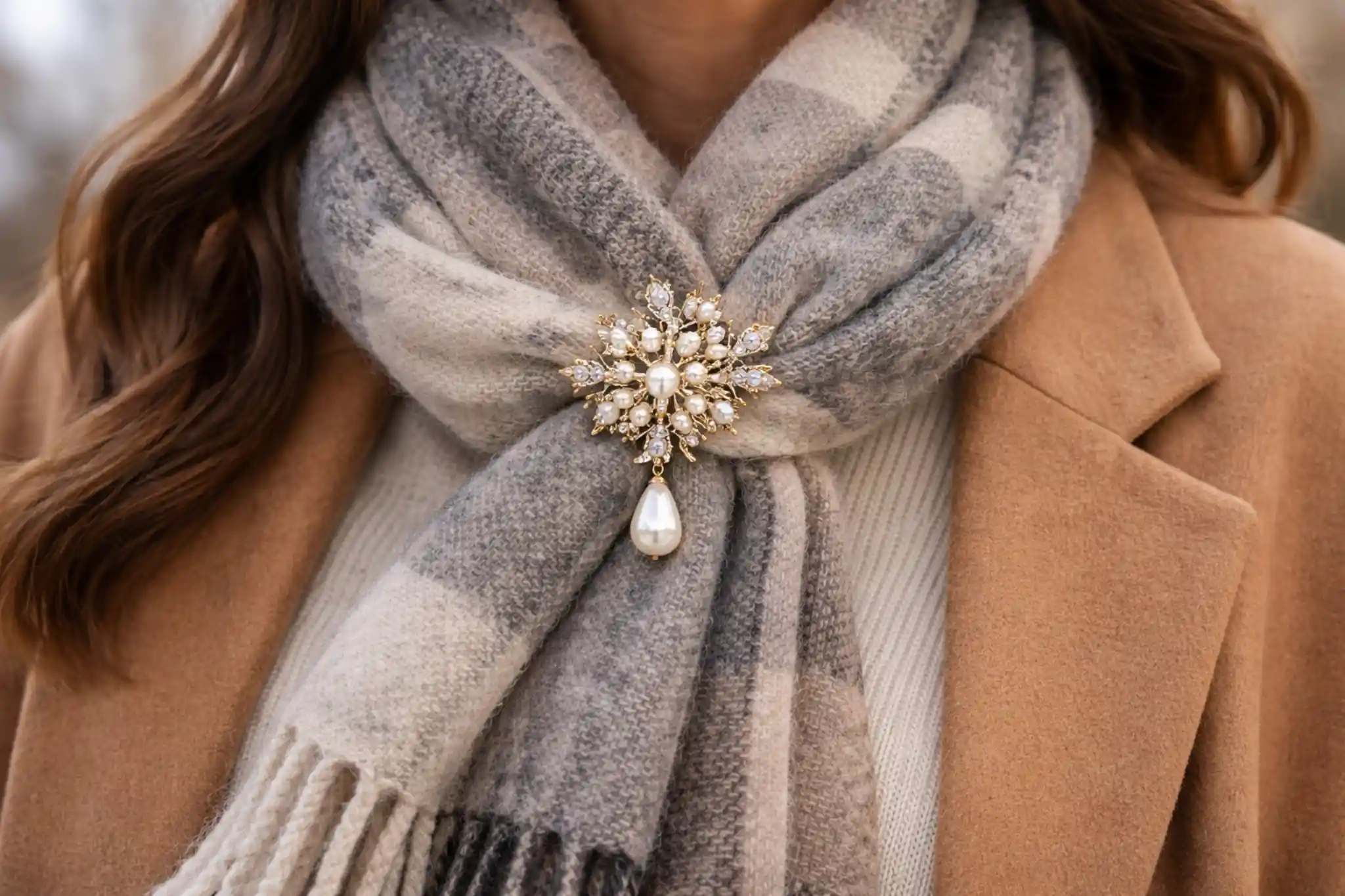
Using a decorative pin to secure a scarf or shawl at the chest instead of tying it
-
Wearing a small sagė at the point where two shirt collars meet as an alternative to a necklace
-
Adding a playful piece to the band of a hat or the handle of a handbag for a subtle accent
-
Grouping a few tiny pins together on one side of a jacket for a creative, curated effect
Choosing Sagės for Different Occasions
Different settings call for different styles, and sagės adapt easily. For casual days, a small enamel design, a simple metal bar, or a charming animal motif can sit comfortably on a denim jacket, cardigan, or cotton dress. These pieces add interest without feeling too formal. At work, a more refined design on a blazer lapel can show personality while staying appropriate for meetings and presentations.
For formal events such as weddings, evening receptions, or cultural celebrations, larger pins with stones, pearls, or intricate metalwork can take the place of a necklace and become the central jewel of your outfit. With thoughtful choices, sagės can move with you from weekday errands to special nights out.
Matching Sagės to Your Personal Style
Because sagės come in so many forms, it helps to think about your usual style before choosing one. If you prefer clean, modern looks, you might gravitate toward simple shapes, smooth metal finishes, and monochrome designs that echo your minimal wardrobe. People who love vintage pieces often look for older pins with detailed engraving, colored stones, or signs of gentle age that tell a story.
If you enjoy bold outfits, a large, sculptural sagė in a bright color or unexpected shape can become your signature piece. Over time, you may build a small collection: a subtle pin for the office, a sentimental piece from a family member, and one or two dramatic designs that you bring out when you want to stand out.
The Emotional and Symbolic Side of Sagės
Sagės also carry emotional weight. In many cultures, brooch-like accessories have been used as badges of belonging, signs of rank, or symbols of loyalty to a group or cause. People wear pins shaped like flowers, animals, or emblems to quietly communicate values or memories. A piece inherited from a grandparent may come out on important days as a way of keeping that person close.
Public figures sometimes choose specific pins that echo national symbols or personal messages, making sagės part of a visual language that viewers slowly learn to read. Even if no one else understands the meaning behind your sagė, you know the reason you chose it, and that can make it feel like a small, private source of strength.
Caring for Your Sagės
Good care helps sagės stay beautiful and secure for years. It is usually best to store them in a soft pouch or jewelry box with separate compartments so the metal and stones do not scratch against other items. Keep them away from strong perfumes, hair sprays, and cleaning chemicals, which can dull surfaces or loosen glues over time. After wearing a piece, gently wiping it with a soft, dry cloth removes oils and dust that can build up on metal or enamel. If you own older or delicate sagės, check the pin and clasp regularly; if they start to feel loose, a professional jeweler can often adjust or repair them to keep your clothes and skin safe.
Final Thoughts
Sagės combine history, craft, and style in a very small space. They began as practical fasteners, evolved into symbols of status and identity, and now live on as expressive accessories that fit easily into modern wardrobes. For a worldwide audience, their charm lies in how simple yet powerful they are: one pin can make an old coat feel new, turn a plain dress into something special, or quietly honor a person or memory you care about.
Whether you prefer subtle metal bars, intricate floral designs, or playful enamel animals, there is room for at least one sagė in almost every closet. If you are looking for an accessory that feels both timeless and personal, this classic pin is a smart place to start.
Frequently Asked Questions (FAQs)
What exactly is a Sagė?
A sagė is a decorative pin worn on clothing, similar to a brooch. It has a design on the front and a pin-and-clasp on the back. It adds both style and function to an outfit.
Is there a difference between Sagės and brooches?
In everyday use, they are basically the same. Sagės is just the Lithuanian word, while brooch is the more global term. Both describe a decorative pin worn on garments.
Are Sagės only for formal outfits?
No, you can wear them with casual clothes too. They look great on denim jackets, sweaters, and simple dresses. Formal events just allow for more sparkly or intricate designs.
Can men wear Sagės?
Yes, sagės are completely gender-neutral. Men often wear them on suit lapels, jackets, hats, or coats. The style of the design can make the look as bold or subtle as you like.
How can I start wearing Sagės if I have never tried them before?
Begin with one medium-sized piece you really like. Pin it on a blazer, coat, or sweater and see how it feels. Once you’re comfortable, experiment with different placements and styles.
Do Sagės damage clothing?
They don’t have to if you’re careful. Use lighter pins on thin fabrics and heavier ones on sturdy materials like wool or denim. Pinning through seams or double layers helps protect your clothes.
Are vintage Sagės a good choice?
Yes, vintage pieces often have unique designs and a sense of history. They can add character to simple outfits. Just check that the pin and clasp still work well before wearing.
How do I know which size Sagė suits me?
Think about where you’ll wear it and how noticeable you want it to be. Small and medium sizes are easiest for everyday use. Large sagės work best when you want a strong focal point.
Can I wear more than one Sagė at a time?
Yes, as long as the look feels balanced. You can group two or three small pins together on a lapel or shoulder. Keep the rest of your jewelry simple so the pins stand out.
Are Sagės a good gift idea?
They make thoughtful gifts because they don’t require exact sizing. You can choose a design that matches someone’s hobbies, style, or favorite colors. Every time they wear it, they’ll remember who gave it.
How should I store my Sagės?
Store them in a soft pouch or lined jewelry box, each piece in its own space. This prevents scratching and tangling. Keep them dry and away from strong chemicals or sprays.
Why are Sagės considered timeless?
They have been worn in different forms for centuries and still look relevant today. Their designs work with both classic and modern clothes. As long as people like adding personal details to outfits, sagės will stay in style.
FOR MORE : INSIDE FAME
