


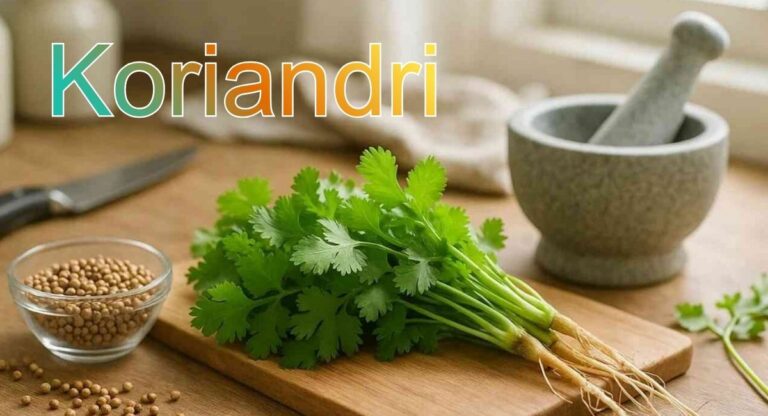
Koriandri is the name many people use for a bright green herb that most of the world knows as coriander or cilantro. This plant has been part of home cooking and traditional healing for thousands of years, and it still appears today in salads, curries, soups, and even herbal drinks. People enjoy it for its fresh taste, but more and more readers are also interested in its possible wellness benefits. From digestion and heart support to natural cooling effects in hot weather, Koriandri is slowly gaining attention as more than just a garnish.
At the same time, there is a lot of confusion. Some call the leaves “cilantro” and the seeds “coriander,” while others use one word for the whole plant. This guide clears up those basics and gives you a simple, science-informed overview. By the end, you will know what Koriandri is, how it is used, and why many families around the world keep it in their kitchen every day.
What Exactly Is Koriandri?
Koriandri usually refers to the herb Coriandrum sativum, a soft, leafy plant in the parsley family. In many English-speaking countries, people call the whole plant “coriander,” but in the United States the fresh leaves are better known as cilantro while the dried fruits are called coriander seeds. No matter which word you use, it is the same plant. It grows quickly from seed, reaching about 30–60 cm in height, with delicate leaves and small white or pink flowers that later form round seeds.
This herb is native to the Mediterranean and parts of Western Asia, but it is now grown in almost every region of the world. You will find it in Latin American salsa, Indian chutney, Thai curry pastes, Middle Eastern salads, and European stews. Different cultures have different names for it, such as dhaniya, dhania, Chinese parsley, or simply coriander. Because it fits into so many local dishes, Koriandri has become one of the most global herbs on earth.
How Koriandri Looks, Smells, and Tastes
When you see fresh Koriandri in the market, it usually comes as a bunch of thin stems with bright, feathery green leaves. Young leaves are soft and almost flat, while older leaves may look more finely cut, almost like miniature parsley. The seeds, on the other hand, are small, round, and beige to light brown. Both parts are edible, but they have very different flavors and uses in cooking.
The taste and smell of Koriandri are unique. Many people describe the leaves as fresh, lemony, and slightly peppery. Others notice a mild, earthy tone in the seeds, which release a warm, sweet, and lightly citrus aroma when crushed or toasted. A small number of people experience the leaf flavor as “soapy,” and this seems to be linked to genetic differences in smell receptors. If you enjoy the taste, the herb can instantly brighten salads, soups, and rice dishes; if you do not, the seeds may still be pleasant because they have a softer character.
Nutritional Profile of Koriandri
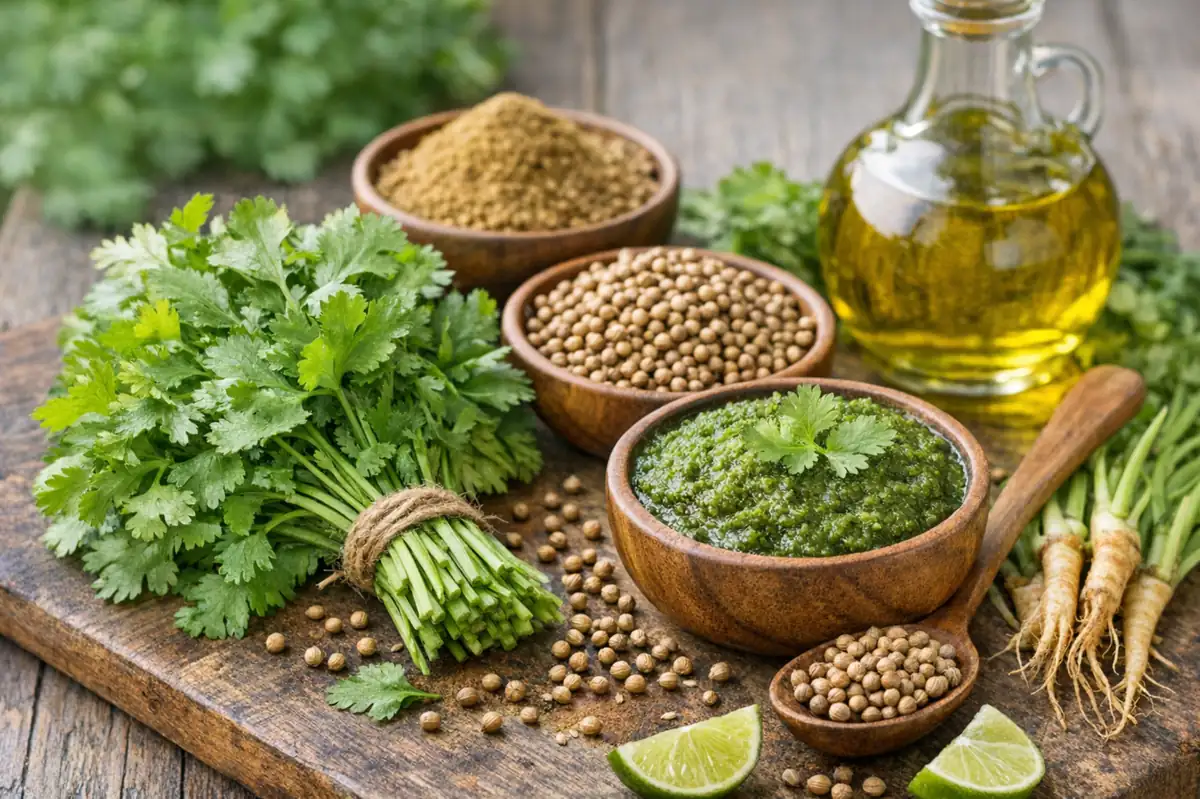
Fresh Koriandri leaves are low in calories but surprisingly rich in certain vitamins and plant compounds. A typical 100-gram serving of leaves (more than you would use in one sitting, but useful for comparison) is mostly water, with small amounts of carbohydrates and protein and almost no fat. What stands out is the content of vitamin A, vitamin C, and vitamin K, along with smaller levels of minerals such as potassium, calcium, and iron. These nutrients play roles in immune support, bone health, and normal blood clotting.
The seeds have a different nutrient balance. They are drier and more energy-dense, containing more fiber and minerals but fewer vitamins than the fresh leaves. Coriander seeds provide dietary fiber, magnesium, manganese, and other trace minerals that support many body processes. In both leaves and seeds, scientists also find natural plant chemicals like linalool and other essential oils that give the herb its smell and may also contribute to its potential health effects.
Koriandri and Heart, Blood Sugar, and Metabolism
Modern research has taken a closer look at how coriander might influence the heart and blood vessels. Studies suggest that extracts from the plant can help reduce levels of “bad” LDL cholesterol and possibly increase “good” HDL cholesterol, at least in animals and small human trials. Some reports also point to a mild blood-pressure-lowering effect, likely linked to diuretic and relaxing actions on blood vessels. While more large human studies are still needed, these findings support the traditional belief that Koriandri is a friendly herb for the cardiovascular system when used as part of a balanced diet.
Blood sugar is another area of interest. In experimental models, coriander seems to help the body handle glucose more efficiently, possibly by influencing enzymes related to sugar metabolism. People with high blood sugar or those at risk of type 2 diabetes have long used coriander water or seed preparations in various folk traditions. If you already take medicine for blood sugar, though, it is important to talk with a health professional before adding large amounts of any strong herbal drink, because combining them could make blood sugar drop too low.
Koriandri for Digestion, Cooling, and Everyday Comfort
For generations, families have turned to Koriandri when they feel heavy after a meal, bloated, or slightly overheated. Traditional systems, including Ayurveda, describe coriander as light, cooling, and gentle on the stomach. It is often used to ease gas, mild cramps, and discomfort after rich food, and it frequently appears in herbal recipes to calm “heat” in the body, such as burning sensations or hot flushes. Modern reviews support these uses by noting carminative (gas-relieving) and anti-spasmodic actions linked to its natural oils.
In addition to digestive comfort, Koriandri has been explored for possible effects on anxiety, inflammation, and skin health. Early research suggests that its antioxidants and aromatic compounds may help reduce oxidative stress and support the nervous system, which could explain why some people feel calmer after certain coriander-based remedies or teas. There are also lab studies hinting at benefits for skin protection and wound support. These findings are promising but still developing, so it is safest to view the herb as a helpful addition to a healthy lifestyle, not a stand-alone cure.
Traditional Uses of Koriandri Around the World
If you travel through different regions, you will see Koriandri used in many ways beyond simple garnishing. In parts of India, coriander seed infusions are taken as a cooling summer drink, believed to refresh the body, support digestion, and reduce excessive heat or sweating. In some Middle Eastern and North African traditions, coriander appears in spice blends for both flavor and gentle digestive support. European herbal texts have also described it as a carminative and mild tonic for the stomach.
Ayurvedic practitioners list coriander for complaints like indigestion, occasional diarrhea, and a general feeling of internal heat. It may be combined with other spices, such as cumin and fennel, to balance different body types and seasonal changes. In folk practices elsewhere, the herb has been used for cough, minor respiratory issues, and even as part of remedies for joint pain. While not every traditional claim has strong modern data behind it, the long history of use adds context to what many cultures already believe about Koriandri’s gentle nature.
Everyday Cooking With Koriandri
In the kitchen, Koriandri is one of the most flexible herbs you can keep on hand. The leaves are best added near the end of cooking or sprinkled on top of a dish so that their fresh aroma stays in the food. They brighten soups, stews, and lentils, and they bring a clean, sharp note to salads, tacos, wraps, and rice bowls. When blended with garlic, chili, and lemon or lime, they form bold sauces and chutneys that pair well with grilled meat, roasted vegetables, and plant-based dishes.
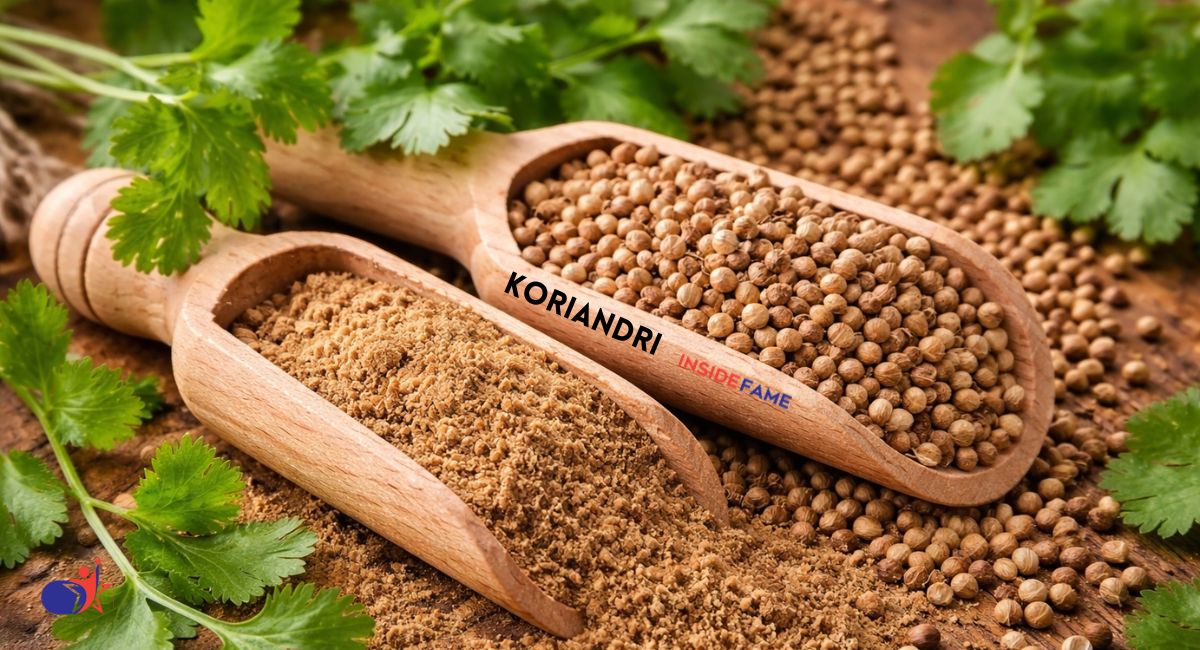
Coriander seeds are used differently. They can be toasted to deepen their flavor and then used whole in pickles, spice blends, and slow-cooked dishes, or ground into a powder to season curries and marinades. The seeds offer a sweet, slightly nutty taste that supports other spices without overwhelming them. In some cuisines, even the roots are used in curry pastes for a deeper, earthy note. With a little practice, you can quickly find your favorite way to build Koriandri into both everyday meals and special recipes.
Simple Ways to Add More Koriandri to Your Diet
-
Mix chopped Koriandri leaves into fresh salads, salsa, or guacamole.
-
Stir a spoon of fresh leaves into soups, lentils, or stews right before serving.
-
Toast and grind the seeds to season roasted vegetables, fish, or chicken.
-
Brew a mild drink by soaking lightly crushed seeds in warm water, then cooling and sipping.
Growing Koriandri at Home
Koriandri is a friendly plant for beginners who want to grow their own herbs. It prefers cool to mild weather, well-drained soil, and a sunny to partly shaded spot. You can sow seeds directly into pots or garden beds, keep the soil evenly moist, and expect seedlings to appear within a week or two under good conditions. Because it grows quickly and can bolt in hot weather, many home gardeners plant small batches regularly rather than one large crop at the start of the season.
If you grow Koriandri for leaves, you can start harvesting once the plants reach about 10–15 cm in height, cutting only some of the stems at a time to let the plant continue to grow. For seeds, allow the plant to flower and then dry on the stem until the seed heads turn brown and crisp. At that point, you can cut them, dry them further in a cool, airy place, and then rub or shake the seeds free for storage and later use in cooking or herbal preparations.
Storing and Keeping Koriandri Fresh
Fresh leaves wilt quickly, so good storage makes a big difference. Many home cooks rinse the bunch, shake off excess water, and wrap the stems in a damp paper towel before placing them in a container or loosely closed bag in the refrigerator. Another method is to stand the stems in a glass of water, like a small bouquet, and cover them loosely with a plastic bag. Used within a few days, the herb will keep much of its bright flavor and color.
For long-term use, the seeds are easier to store. Keep them in an airtight jar away from light, heat, and moisture. Whole seeds stay fragrant for months, while ground seeds slowly lose their aroma and should be used more quickly. Some people also freeze chopped leaves in ice-cube trays with a little water or oil, which allows them to drop a cube straight into hot dishes when fresh bunches are not available.
Safety, Side Effects, and Who Should Be Careful
For most healthy adults, normal amounts of Koriandri in food are considered safe and well tolerated. However, there are a few points to keep in mind. Some people are allergic to coriander or cilantro, and reactions can include itching in the mouth, hives, swelling, or in rare cases trouble breathing. Anyone with a known allergy to similar plants in the carrot or celery family should be cautious and start with very small amounts, watching closely for any signs of discomfort.
Because coriander preparations can influence blood sugar and blood pressure, large or concentrated doses may not be suitable for everyone, especially those already taking medicine for these issues. Very heavy use could also lead to digestive upset in some people. As with any herb, moderation is wise, and anyone with chronic health conditions or who is pregnant, breastfeeding, or giving herbal products to children should talk with a qualified health professional before using strong homemade remedies. In sensible amounts as part of daily meals, though, Koriandri remains a gentle, flavorful, and widely enjoyed herb.
Final Thoughts
Koriandri stands at a rare point where taste, tradition, and modern research meet. It brings bright flavor to food, carries a long history in kitchens and healing systems across continents, and shows promising support for digestion, heart health, and general wellbeing. While it is not a magic cure and should never replace medical treatment, it can be a simple, affordable way to make everyday meals fresher and possibly more supportive of your body.
If you enjoy its flavor, the easiest step is to keep a bunch in your refrigerator or a small pot on your balcony and use it regularly in soups, salads, drinks, and cooked dishes. Over time you will discover which forms you like best—leaf, seed, or both—and how this humble green plant can quietly upgrade your plate. For many people, that is exactly what a “healthy herb” should do: fit naturally into life while offering a little extra support in the background.
Frequently Asked Questions (FAQs)
What is Koriandri in simple terms?
Koriandri is another name for the herb Coriandrum sativum, known worldwide as coriander or cilantro, used for both its fresh leaves and dried seeds.
Are Koriandri and coriander the same thing?
Yes, they refer to the same plant; different regions just use different names, and in some places the leaves and seeds are named separately.
Is Koriandri good for heart health?
Research suggests that coriander may help balance cholesterol levels and support healthy blood pressure when included as part of a varied diet.
Can Koriandri help with digestion?
Traditional and modern sources both describe coriander as soothing for gas, bloating, and mild stomach discomfort, especially when used in warm drinks or light meals.
Does Koriandri really cool the body?
Many cultures use coriander-based drinks and dishes in hot weather because the herb is considered naturally cooling and refreshing.
How much Koriandri can I eat daily?
Most people can safely enjoy small handfuls of fresh leaves or typical spice-level amounts of seeds in food, as long as they do not have allergies or special medical conditions.
Can I use Koriandri if I have high blood sugar?
Some studies suggest coriander may support better blood sugar control, but if you take medicine you should speak with your doctor before adding strong herbal preparations.
Is it safe to drink Koriandri seed water every day?
Many people do drink mild coriander seed infusions, but daily use should still be moderate, and anyone with chronic illness should check with a health professional first.
Can I be allergic to Koriandri?
Yes, some people are allergic and may experience itching, rashes, or breathing trouble, so any new reaction should be taken seriously and checked by a doctor.
Is Koriandri safe during pregnancy?
Normal food amounts are usually considered fine, but concentrated teas or extracts should only be used under the guidance of a qualified health professional.
Can Koriandri help with anxiety or stress?
Early scientific work and folk experience suggest coriander may have calming effects, though evidence is still limited and it should not replace prescribed care.
What is the easiest way to start using Koriandri?
Begin by adding chopped fresh leaves to salads, soups, or rice dishes and using the seeds as a mild spice, then adjust the amount to match your taste.
FOR MORE : INSIDE FAME
