


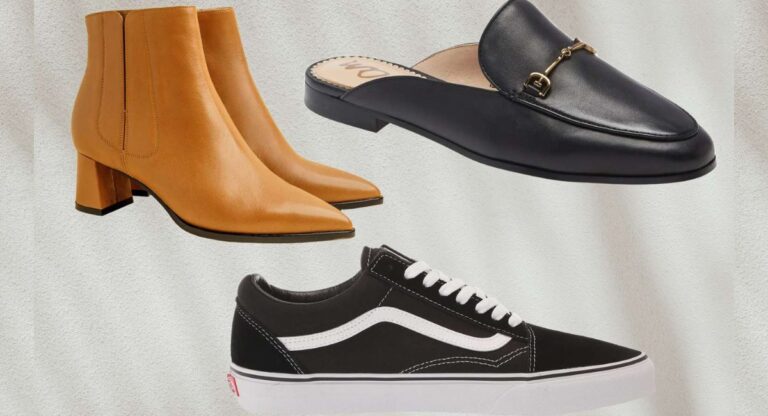
Shoes aren’t merely an accessory to your appearance—they directly affect your comfort, health, and mobility. Wearing the wrong shoes can lead to permanent long-term problems, ranging from poor posture to permanent knee pain, foot pain, or back pain. Every woman should know how to choose the perfect shoes for her not just to look stylish but also to protect her well-being.
Below is a quick tip on how to make wiser shoe choices, whether picking out sneakers for everyday use, heels for evening wear, or flats for daily comfort.
1. Know Your Foot Shape and Structure
Prior to purchasing shoes, one must get acquainted with one’s own feet. Feet have varying shapes, and the varying arches require varying levels of support.
- Flat feet: Structured support shoes minimize stress and fatigue.
- High arches: Extra cushioning and shock absorption are necessary to minimize pressure.
- Wide feet: Look for footwear with a roomy toe box to prevent cramping and discomfort.
If unsure, consider having your feet assessed at a shoe store or by a podiatrist. This ensures you’ll pick a pair designed to meet your specific needs.
2. Comfort First, Fashion Second
Shiny shoes are attention-grabbing, but unless they feel good, they won’t be of any use to you. An ideal shoe to buy should:
- Don’t have to compromise on padding so it can absorb shock.
- Should support the ball of your foot without compressing too much.
- Should fit closely but not pinch or slip.
Brainy tip: Purchase shoes toward the end of the day after your feet are slightly more swollen naturally. This will allow you to pick a size that will still be comfortable for the remainder of the day.
3. Pay Attention to Arch and Heel Support
Proper footwear will align your body and relieve pressure on your joints.
- If you stand or work for long periods, wear orthopedic insoles or shoes with intrinsic cushioning.
- Skip stilettos as a everyday option—reserve them for parties and such.
- Opt for wedges, block heels, or low heels for added stability and weight distribution.
This equilibrium makes you look fabulous without jeopardizing your health.
4. Get Your Size Right Every Time
Most women think that their shoe size is fixed, but weight, pregnancy, and ageing affect foot size and shape.
- Measure both feet always when buying new shoes.
- Leave at least half an inch of space between your longest toe and shoe front.
- Refer to the brand’s size chart twice when buying shoes online.
Fitting shoes with proper shoes prevents painful blisters, corns, and unnecessary strain.
5. Choose Durable, Breathable Fabrics
The fabric or material of your shoe plays a major role in whether or not they feel comfortable.
- Leather: Supple, breathable, and long-lasting—perfect for everyday use.
- Fabric/mesh: Lightweight, airy, and appropriate for sports or simply lounging.
- Avoid low-cost synthetic materials: They trap heat and moisture, leading to odour and infection.
Investing in quality materials ensures durability while protecting your feet from irritation.
Final Thoughts
Your shoes are not just a style statement—yet they’re an important investment in your health and confidence. Understanding your foot type, making comfort your top priority, providing appropriate support, getting the proper size, and choosing materials that will last will save you discomfort while making you feel your very best.
Healthy feet translate to confident strides. The next time you’re at the mall, shop with the future of your step in mind and choose shoes that allow you to walk taller, stronger, and pain-free.
