


A beautiful garden doesn’t just happen. It takes thoughtful planning and consistent effort. While a perfectly manicured landscape might seem like a huge undertaking, getting that pristine look is actually more accessible than you think. The real secrets aren’t about complicated techniques or expensive makeovers; they’re about understanding what your garden needs and giving it the right care. This guide will walk you through the key practices that turn an ordinary yard into a stunning outdoor retreat. From smart planting and strategic hardscaping to achieving perfect lawn edging, each step helps create a beautiful, functional extension of your home.
Why Gardens Thrive with Care
Your garden is a living, breathing space that thrives on attention. Like any living thing, it needs consistent care to flourish. If you neglect it, weeds can quickly take over, the soil can lose its nutrients, and stressed plants become more vulnerable to disease and pests. Regular care is like preventative medicine for your landscape. When you consistently weed, water, and prune, you’re not just tidying up; you’re creating a healthy environment where plants can truly thrive.
The secret of successful gardening often comes down to this routine. Catching a small patch of weeds before they go to seed saves hours of work later. Pruning a branch that’s growing the wrong way prevents it from becoming a big problem. This proactive approach keeps tasks manageable and turns garden maintenance from a dreaded chore into a satisfying ritual.
Beyond the benefits for your plants, tending to a garden also does wonders for your own well-being. Simply connecting with nature, feeling the soil, and watching something grow can reduce stress and lift your mood. A well-cared-for garden becomes an extension of your home, a peaceful sanctuary for relaxation and enjoyment. It’s a rewarding process where the effort you put in comes back tenfold in beauty and tranquility.
Achieving Sharp, Defined Edges
One of the quickest ways to improve your garden’s look is to create clean, defined edges. This single detail brings a sense of order and purpose to the whole landscape, making everything appear more polished and intentional. Sharp lines along flower beds, pathways, and lawns act like a frame for a picture, drawing your eye to the plants and features you want to highlight. Without them, even the most beautiful flowers can look messy as they spill onto walkways or get lost in the lawn. Thoughtful layout choices also play a big role when you’re improving different outdoor surfaces and making the space feel more cohesive.
Creating these crisp divisions is a straightforward task. For soft edges, like those between a lawn and a flower bed, you can use a simple spade or a half-moon edger to cut a clean trench. This physical barrier stops grass from creeping into your beds and gives a professional, neat finish. For a more permanent solution, you can install metal, plastic, or stone edging, which provides a durable, low-maintenance border.
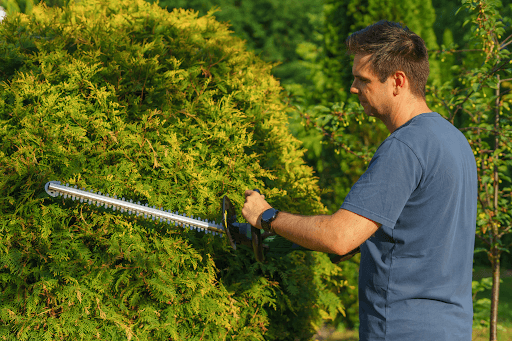
When it comes to shrubs and hedges, regular trimming is essential for keeping their shape and density. A well-shaped hedge can act as a “green wall,” offering privacy and structure. Using a quality electric hedge trimmer lets you make precise, even cuts, helping you maintain clean lines and consistent shapes with far less effort than manual tools. Shaping bushes into neat globes or squares adds a formal, geometric touch that helps create a beautiful and luxurious landscape. The goal is to make everything look cohesive, with each element in its designated space, resulting in a landscape that feels both organized and lush.
The Power of Cordless Tools
Cordless power tools have completely changed modern gardening. Gone are the days of wrestling with long extension cords that get tangled around trees, or dealing with the noise, fumes, and upkeep of gas-powered equipment. Cordless tools offer unmatched freedom and convenience, making routine garden tasks faster, easier, and much more enjoyable. With a rechargeable battery system, you can switch from trimming your hedges to blowing leaves off the patio in seconds.
The benefits of going cordless go beyond just convenience. These tools are much quieter than their gas counterparts, which is a huge plus for you and your neighbors, especially when doing yard work early in the morning or in the evening. They’re also much lighter, reducing fatigue and making them easier to handle for longer periods. This is especially helpful when shaping shrubs or reaching high branches. Since they don’t produce direct emissions, they’re a more environmentally friendly choice for your garden maintenance.
From string trimmers and lawnmowers to leaf blowers and chainsaws, there’s a cordless option for almost every garden task. Investing in a system where multiple tools share the same battery is both cost-effective and efficient. You’ll always have a charged battery ready to go, removing one of the biggest hurdles to getting started on a quick tidy-up. This accessibility encourages more frequent maintenance, which is the foundation of keeping a garden in pristine condition.
Seasonal Tips for Lush Foliage
A truly stunning garden changes with the seasons, and your maintenance routine should too. Understanding what your plants need throughout the year is key to having lush foliage and vibrant blooms.
- Spring: This is a time for new beginnings. As the ground thaws, clean up winter debris and prepare your garden beds by adding compost. It’s also the perfect time to plant new perennials, annuals, and shrubs. Apply a slow-release fertilizer to give your plants the nutrients they need for strong initial growth. Keep an eye out for early weeds and pull them before they get established.
- Summer: Growth is in full swing during the summer, so the focus shifts to maintenance. Consistent watering, especially during dry spells, is crucial. Water deeply and less often to encourage deep root growth. Deadhead spent flowers on annuals and perennials to keep them blooming. This is also the time to check for pests and diseases, dealing with any issues quickly. You can do light pruning to maintain shape, but avoid heavy cutting in the peak heat.
- Autumn: As temperatures cool, the garden starts getting ready for winter. This is the perfect time to plant spring-flowering bulbs like tulips and daffodils. Rake up fallen leaves and add them to your compost pile to create nutrient-rich humus for next year. Many perennials can be cut back after the first frost. This is also a great time to divide overgrown perennials like hostas and daylilies to create new plants for other areas of your garden. An easy-to-maintain garden often looks better with smart autumn prep.
- Winter: Even though the garden might be resting, there are still things to do. Protect sensitive plants from harsh weather with burlap or mulch. Drain hoses and irrigation systems to prevent freezing. This is also the perfect time to clean, sharpen, and oil your garden tools so they’re ready for spring. Use the quiet months to plan for the next growing season, maybe sketching out new garden bed designs or ordering seeds.
Long-Term Landscape Health
While regular trimming and seasonal chores create an immediate visual impact, the real secret to a lasting, pristine garden is nurturing its long-term health from the ground up. A healthy landscape is more resilient, needs less intervention, and looks effortlessly beautiful. The foundation of this health is, quite literally, the soil. Healthy soil is alive with beneficial microorganisms that help plants absorb nutrients and water. You can improve your soil by regularly adding organic matter like compost, aged manure, or leaf mold. This not only adds nutrients but also improves soil structure, allowing for better drainage in heavy clay soils and better water retention in sandy soils.
Mulching is another key to a vibrant landscape that lasts. Applying a two-to-three-inch layer of organic mulch, such as shredded bark or wood chips, over your garden beds offers many benefits. It keeps weeds down, conserves soil moisture by reducing evaporation, and regulates soil temperature, protecting plant roots from extreme heat and cold. As the organic mulch breaks down, it further enriches the soil with nutrients.
Finally, a smart planting strategy will save you countless hours of work later on. The principle of “right plant, right place” is crucial. Before buying a plant, understand its needs for sunlight, water, and soil type, and make sure you can provide those conditions. Choosing plants that are native or well-adapted to your local climate means they will naturally be more resistant to local pests and diseases and will thrive with minimal fuss. Grouping plants with similar water needs together also makes watering more efficient and effective, ensuring every plant gets what it needs without waste.
A pristine garden isn’t a static picture; it’s a dynamic space that reflects your care and attention. Focusing on these core principles helps you create a beautiful, healthy, and resilient landscape that brings you joy for years to come.
