


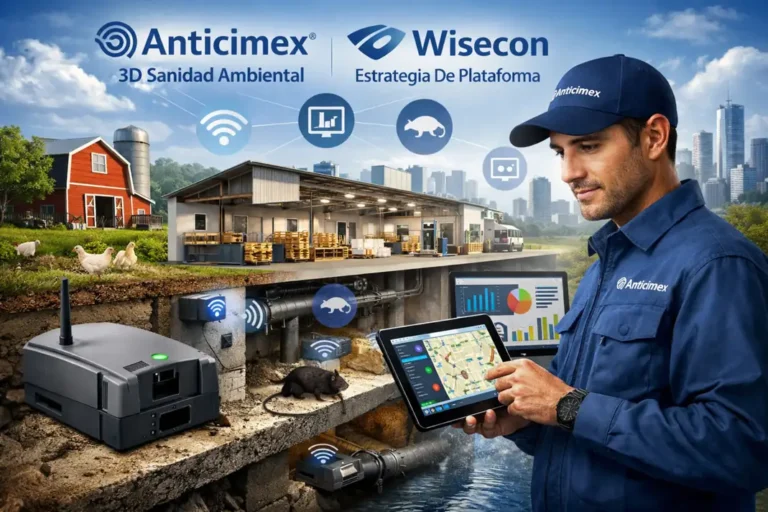
If you have ever worried about rodents in a warehouse, insects in a food plant, or health inspections in a busy city, you already know that pest and environmental health services are about a lot more than traps and sprays. Anticimex 3D Sanidad Ambiental / Wisecon Estrategia De Plataforma brings together classic environmental services and modern connected technology to solve these problems in a smarter, quieter way.
This guide walks you through what Anticimex 3D Sanidad Ambiental is, how WiseCon’s digital tools work behind the scenes, and why their shared platform approach matters to building owners, facility managers, farmers, and city authorities. The goal is to explain everything in simple, clear language so you can see not just what this system does, but why it is becoming a model for modern environmental health management around the world.
Anticimex and the Idea of “3D” Environmental Health
Anticimex is a pest-control and environmental services company that started in Sweden in the 1930s and has grown across Europe, the Americas, and Asia. In Spain, one of its main operating arms is Anticimex 3D Sanidad Ambiental SA, a company dedicated to protecting buildings, industries, and public spaces from pests and hygiene risks.
The “3D” in “3D sanidad ambiental” is widely used in the Spanish environmental-health sector and usually refers to three core services: disinfection, insect control, and rodent control. These services focus on cleaning and treating spaces to remove harmful microorganisms, managing insects such as cockroaches or flies, and controlling rats and mice that threaten health, food safety, and infrastructure.
What Anticimex 3D Sanidad Ambiental Does on the Ground
On a practical level, Anticimex 3D Sanidad Ambiental offers recurring services to companies and public bodies. These include treatments to remove existing infestations, preventive monitoring to stop new ones from starting, and ongoing documentation to prove compliance with regulations. In Spain, the company’s official business description includes phytosanitary treatments, insect control, rodent control, disinfection, and even bird control for roofs, façades, and industrial areas.
These activities are essential in sectors where hygiene is non-negotiable: food production and storage, hotels and restaurants, hospitals, schools, ports, and municipal networks such as sewers and waste-handling facilities. The “3D” model is built around regular inspections, customized action plans, and detailed reports that support audits and demonstrate that a site takes environmental health seriously.
Why Traditional Pest Control Is No Longer Enough
For decades, pest control followed a simple pattern: a technician visited the site on a fixed schedule, checked traps and bait boxes, and reacted to any signs of infestation. While this approach still works in many situations, it has clear limits. It can miss activity that happens between visits, rely heavily on toxic baits, and sometimes respond only after damage has already occurred.
In complex environments—large food factories, busy logistics hubs, or dense cities—waiting for visible signs of pests can be an expensive mistake. Rodents or insects that move through hidden spaces may contaminate products, damage equipment, or erode public trust long before anyone notices them. This gap between what is happening and what technicians can see in periodic visits is one of the main reasons digital systems have become so important.
The Move Toward Connected, Data-Driven Pest Control
To close that gap, companies like Anticimex have shifted from purely manual routines to connected systems that watch over a site all day and all night. The idea is simple but powerful: place smart sensors and traps at key points, connect them to a central data hub, and use that live information to decide where and when to act.
In this model, pest management becomes more like a monitoring service than a series of isolated visits. Data from traps and sensors reveals patterns—where activity is concentrated, when it peaks, and how it changes after a treatment. Over time, this reduces guesswork, cuts down on unnecessary chemical use, and lets technicians focus on the areas that actually need attention.
Inside the Anticimex SMART System
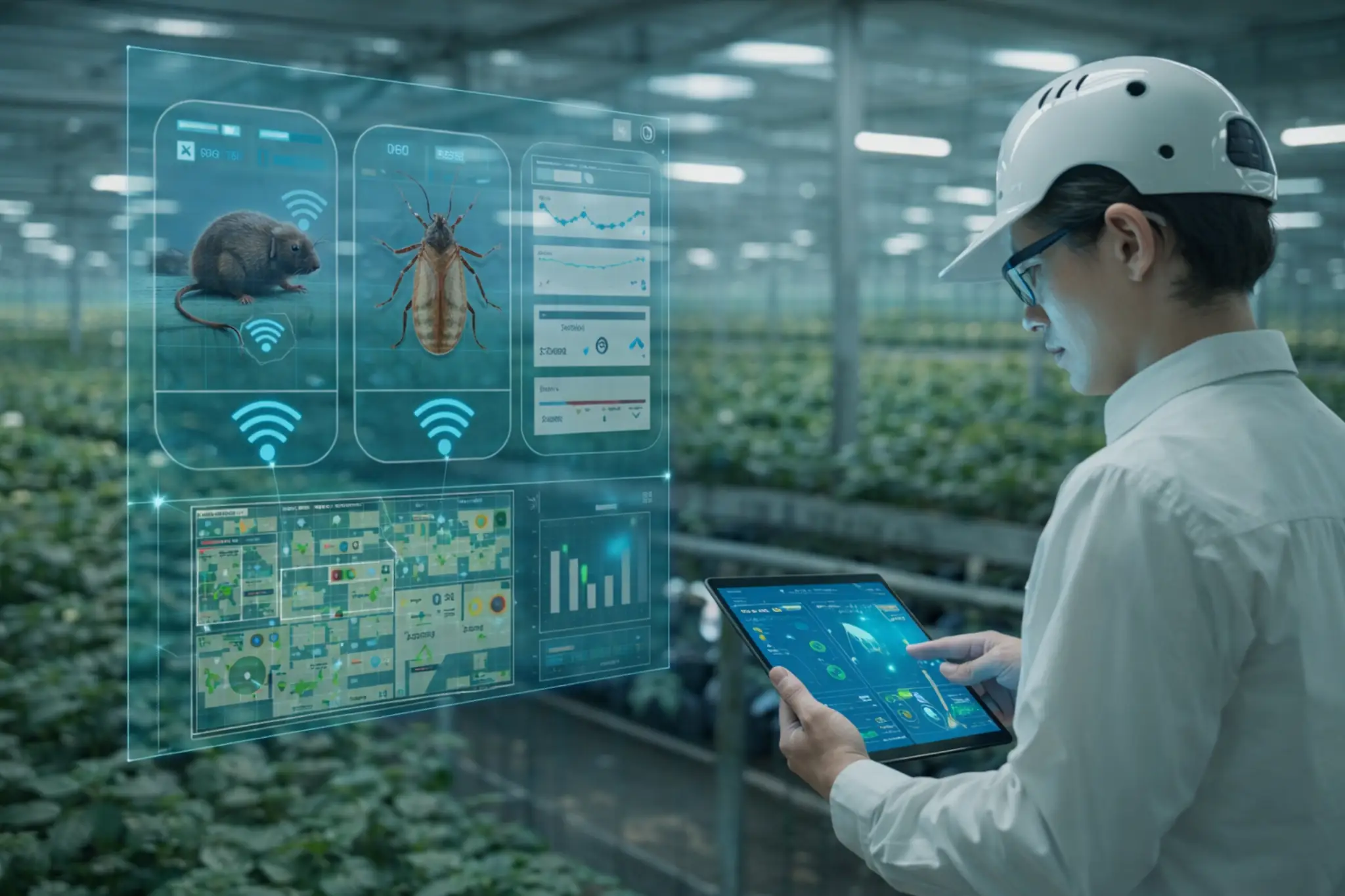
At the heart of this transformation is Anticimex SMART, the company’s digital pest-control system that combines hardware, connectivity, and analytics. SMART uses a network of non-toxic traps and wireless sensors placed in strategic locations such as sewers, warehouse corners, ceilings, cable runs, or behind equipment. These devices detect rodent movement or captures and send signals back to a central hub.
The connected hub sends the data to a secure platform where technicians can see, in real time, what is happening at the site. Algorithms help identify trends, such as repeated activity in a certain area or unusual spikes at particular times of day. Instead of discovering a problem because someone saw damage or droppings, the system flags risk early so that a response can be planned before the situation grows.
How a SMART Deployment Usually Works
When Anticimex installs a SMART system, the work normally starts with a detailed inspection and plan. Technicians assess the building layout, sensitive zones, and possible entry points for rodents. Based on this, they design a map of where to place sensors and traps to cover blind spots and critical areas.
After installation, the devices connect back to the data hub through wired or wireless communication, often using mobile networks in locations where standard connections are difficult. Once the system is live, the platform records every detection and capture. Technicians then adjust device placement, change settings, and schedule site visits according to actual activity instead of fixed dates. The result is a living network that adapts to the building’s behaviour and the movement of pests over time.
Key Benefits of the Anticimex 3D and SMART Approach
Within this combined approach, several clear advantages stand out for building owners and managers:
-
Faster detection of rodents and other pests, thanks to continuous monitoring instead of occasional checks
-
Less reliance on toxic baits, because non-toxic traps and early intervention reduce the need for heavy chemical use
-
Better documentation for audits and certifications, since every event and action is recorded and easy to report
-
Lower long-term costs, because infestations are handled at an early stage and service visits become more targeted
-
Greater peace of mind for staff and residents, who know that the site is being watched even when nobody is on-site
These benefits are especially valuable in industries where a single incident can shut down operations, trigger recalls, or damage a brand’s reputation.
Impact on Environmental Health and Compliance
From an environmental-health standpoint, the combination of Anticimex 3D Sanidad Ambiental services and SMART technology offers a more balanced way to protect people and ecosystems. Continuous monitoring makes it possible to use rodenticide only when strictly necessary, and only in the places where activity is confirmed. This helps reduce the risk of secondary poisoning for wildlife and limits chemical residues around food and water systems.
For regulated sectors—food manufacturing, pharmaceuticals, public infrastructure—digital records also support strict documentation requirements. Inspectors can review clear histories of captures, alarms, and treatments instead of relying solely on handwritten logs. This strengthens trust with authorities and customers and makes it easier for companies to demonstrate that they are maintaining safe, clean environments.
Anticimex 3D Sanidad Ambiental in the Spanish Context
In Spain, Anticimex 3D Sanidad Ambiental SA operates as a specialized company within the Anticimex group, focusing on environmental sanitation and industrial cleaning services. Official records describe its activities as the provision of services to third parties—public or private—covering disinfection, insect control, rodent control, phytosanitary treatments, and related environmental tasks.
This local presence matters because Spain has a strong tradition of structured “3D” programs that combine disinfection, insect management, and rodent management across municipalities and private facilities. Cities invest in coordinated campaigns for sewers and public spaces, while private companies maintain comprehensive plans for hotels, restaurants, and industrial sites. Anticimex 3D Sanidad Ambiental fits into this ecosystem by offering both traditional expertise and access to advanced digital tools when they are needed.
Real-World Uses: From Sewers to Farms and Warehouses
The technologies used within this model are not limited to office buildings or city streets. For example, electronic traps such as WiseBox, originally developed by WiseCon, have been used in pig and poultry farms to remove rats without poison. These devices use an automatic electrocution mechanism and can be set up to allow remote follow-up and online access to capture statistics.
Similar traps and sensors can be installed in sewers, along perimeter fences, or inside large warehouses where manual checks would be slow and labor-intensive. By combining field hardware with data from the platform, operators can see which zones are under control and where new pressure from pests may be appearing, then decide whether to adjust trapping lines, reinforce structural measures, or schedule additional sanitation work.
WiseCon: The Technology Specialist Behind the Scenes
WiseCon A/S is a Danish company known for developing advanced electronic rat traps and monitoring systems, including devices like WiseBox and WiseTrap. These products are built around a few core ideas: they use non-poison methods to kill rodents, they are designed for tough environments such as sewers and farms, and they can communicate using GSM or internet connections to send alerts when a capture occurs or batteries need attention.
By focusing on durable hardware, remote communication, and sustainability, WiseCon created tools that matched perfectly with the emerging need for connected pest control. Instead of walking trap lines to see whether anything has been caught, operators can receive SMS or email notifications, view counts in an online interface, and manage large fleets of traps with far less manual effort.
Wisecon Estrategia De Plataforma: From Supplier to Innovation Hub
The relationship between Anticimex and WiseCon grew from a simple technology partnership into a broader Wisecon Estrategia De Plataforma. In 2015, Anticimex acquired an initial minority stake in WiseCon. By 2017, it had purchased the remaining shares and established the Anticimex Innovation Center in Helsinge, Denmark, turning WiseCon into a central hub for developing digital pest-control solutions across the group.
This platform strategy goes beyond buying hardware. It is about integrating WiseCon’s traps, sensors, and communication modules with Anticimex’s global service operations and SMART digital system. Data from thousands of devices flows into shared platforms, where it supports analytics, reporting, and continuous improvement. For Anticimex 3D Sanidad Ambiental and other local units, this means they can offer highly specialized solutions built on a common digital backbone, combining local expertise with global technology and research.
Final Thoughts
Anticimex 3D Sanidad Ambiental / Wisecon Estrategia De Plataforma is more than a company name; it signals a shift in how environmental health is delivered. Classic “3D” services such as disinfection, insect control, and rodent control are still absolutely necessary, but they now sit on top of a digital layer that gives better visibility, faster response, and stronger documentation.
For businesses, cities, and farms, this integrated approach means fewer surprises, more predictable costs, and a clearer view of what is happening in the spaces they manage. For the wider environment, it means progress toward cleaner, safer control methods that rely less on broad chemical use and more on precise, data-driven interventions. As more sectors adopt connected solutions, the combination of Anticimex’s operational experience and WiseCon’s technology is likely to remain a reference point for how modern environmental health systems can work.
Frequently Asked Questions (FAQs)
1. What does “3D Sanidad Ambiental” actually mean?
It usually refers to three pillars of environmental health services: disinfection, insect control, and rodent control, all delivered in a structured, ongoing program for buildings and public spaces.
2. How is Anticimex SMART different from traditional pest control?
Instead of relying only on scheduled visits and visual checks, Anticimex SMART uses connected traps and sensors that monitor a site 24/7 and send data to a central platform so technicians can act early.
3. What role does WiseCon play in this system?
WiseCon designs and builds electronic traps and monitoring devices, such as WiseBox and WiseTrap, which are integrated into the broader digital platform that Anticimex uses for monitoring and response.
4. Is the system completely free of toxic products?
The focus is on non-toxic traps and preventive measures, but chemical products may still be used when strictly necessary; the advantage is that digital monitoring helps reduce how often and where they are needed.
5. Who benefits most from Anticimex 3D Sanidad Ambiental services?
Food factories, warehouses, supermarkets, hotels, restaurants, farms, hospitals, and municipalities all benefit because they need reliable protection, strong documentation, and compliance with strict health rules.
6. How does the platform help with inspections and audits?
Because every sensor alert, capture, and service action is recorded, the platform can provide clear reports that show authorities and customers that a site is under continuous, well-managed control.
7. Can these systems be used in small businesses or homes?
Yes, the same digital principles can be scaled down to smaller sites, with fewer devices but the same idea of continuous monitoring and targeted intervention rather than occasional reactive visits.
8. What makes WiseBox and similar traps different from standard traps?
They are designed to be automatic, quick, and self-contained, often using electrocution instead of poison, and they can send remote notifications when they capture rodents or need maintenance.
9. How does connectivity work in places like sewers or farms?
Devices can use GSM or similar mobile connections to send alerts from difficult areas, so even remote or underground installations remain part of the same monitoring network.
10. Does this approach replace human technicians?
No, it changes their role; technicians still inspect sites and make decisions, but the data from the system helps them focus on real problems instead of spending time checking empty traps.
11. Is this model only for rodents?
Rodent control is a major focus, but the broader 3D concept also covers insects, microbial risks, and other environmental-health issues, supported by both classic treatments and digital monitoring where suitable.
12. Why is the Anticimex–WiseCon partnership seen as strategic?
Because it combines a global service organization with a specialist technology provider, creating a single platform that can develop new devices, deploy them worldwide, and continuously improve how environmental health is delivered.
FOR MORE : INSIDE FAME
