


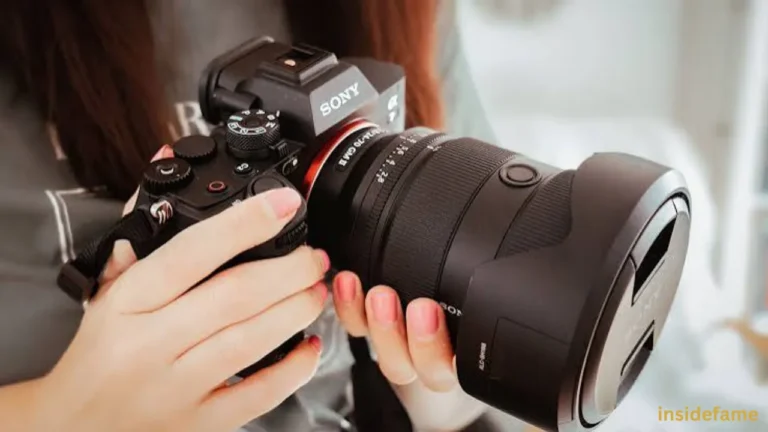
Choosing the best camera depends on what you want to photograph, how much you plan to spend, and whether you need video features as well as still-image quality. A beginner taking family photos has different needs from a wedding photographer, wildlife enthusiast, or YouTube creator.
Modern cameras offer impressive autofocus, detailed images, and advanced video recording, but the most expensive model is not automatically the best choice. Lens costs, portability, ease of use, battery life, and long-term system compatibility can matter just as much.
For most buyers, the smartest approach is to compare a small number of cameras that fit their needs instead of trying to find one model that excels at everything.
Best Cameras at a Glance
The right camera depends on your photography style, budget, and experience. These models are useful starting points for different types of buyers, but compare current prices and available kits before making a final decision.
| Camera | Best for | Main advantage | Main consideration |
| Sony A7 V | Advanced hybrid photography and video | Strong all-round performance | Full-frame lenses can increase the total cost |
| Canon EOS R50 | Beginners | User-friendly controls and capable autofocus | Entry-level body has fewer advanced controls |
| Sony a6700 | Enthusiasts and travel | Compact APS-C system with strong photo and video features | Lens selection affects overall portability and cost |
| Nikon Z5II | Full-frame photography | Versatile full-frame option | Full-frame lenses require a larger budget |
| Fujifilm X-T5 | Enthusiasts who prioritize still photography | High-resolution APS-C system and physical controls | Some lenses can be relatively expensive |
| Nikon Z8 | Wildlife, sports, and professional work | High-end performance for demanding subjects | Expensive and relatively large system |
| Ricoh GR IV | Street and everyday photography | Pocketable fixed-lens design | Limited flexibility compared with interchangeable-lens cameras |
| OM System OM-1 Mark II | Wildlife and outdoor photography | Compact system with specialist outdoor features | Smaller sensor format has different trade-offs from full-frame |
These are category-based recommendations rather than a universal ranking. Recent photography guides also separate cameras by genre and budget, reinforcing that the best choice depends on the intended use. Model availability and value can differ by country.
Best Cameras for Different Types of Photography
Best Camera for Most People: Sony A7 V
The Sony A7 V is worth considering for photographers who want a versatile full-frame camera for both still photography and video. Its appeal lies in combining advanced autofocus, image quality, and general-purpose shooting capabilities in one system.
It can suit enthusiasts, portrait photographers, travelers who are comfortable carrying a larger setup, and creators who want to grow beyond an entry-level camera.
Why consider it:
- Suitable for a broad range of photographic subjects.
- Advanced autofocus capabilities for moving subjects.
- A full-frame sensor for flexible image-making.
- Access to Sony’s interchangeable-lens ecosystem.
What to consider: A full-frame camera can become an expensive investment once suitable lenses and accessories are included. If you mainly take casual photos, an entry-level APS-C camera may provide better value.
The Sony A7 V appears as a leading hybrid choice in TechRadar’s 2026 photography guide. That makes it a useful option to investigate, not an automatic winner for every buyer.
Best Camera for Beginners: Canon EOS R50
The Canon EOS R50 is a strong starting point for people moving from smartphone photography to a dedicated camera. It offers interchangeable lenses, automatic shooting modes, and autofocus features that help beginners capture a range of everyday subjects.
A beginner does not need to understand every advanced setting immediately. The ability to start with automatic modes and gradually learn aperture, shutter speed, ISO, and exposure compensation can make the transition to dedicated photography easier.
Why consider it:
- A manageable entry point into interchangeable-lens photography.
- Useful autofocus capabilities for people and everyday subjects.
- Access to Canon’s RF and compatible RF-S lens options.
- Suitable for family photography, travel, portraits, and learning photography basics.
What to consider: The included kit lens and the availability of future lenses are important. Before buying, check whether the kit provides enough zoom range for your needs and what additional lenses would cost.
Amateur Photographer’s 2026 beginner guide includes the Canon EOS R50 among its leading recommendations for first-time camera buyers.
Best Mid-Range Camera: Sony a6700
The Sony a6700 is a compelling option for enthusiasts who want advanced features without moving immediately to a full-frame system. Its APS-C sensor and relatively compact body make it suitable for travel, everyday photography, and hybrid photo-video use.
The camera can be particularly appealing to people who photograph a mix of people, landscapes, events, and moving subjects.
Why consider it:
- A compact interchangeable-lens system.
- In-body image stabilization.
- Advanced autofocus and subject tracking.
- A versatile platform for photography and video.
What to consider: The body is only part of the cost. Consider which lenses you need, how much weight you are willing to carry, and whether the camera’s controls suit your shooting style.
RTINGS lists the Sony a6700 as a mid-range camera recommendation in its 2026 roundup, making it a useful model to compare against other enthusiast cameras.
Best Full-Frame Camera for Photography: Nikon Z5II
The Nikon Z5II deserves attention from photographers who want a full-frame camera for portraits, landscapes, everyday photography, and other still-image applications.
A full-frame sensor can provide flexibility in low light and depth-of-field control, although the final results also depend on lens choice, lighting, exposure, and technique.
Why consider it:
- A full-frame sensor for versatile still photography.
- An interchangeable-lens system with room to expand.
- Suitable for photographers moving beyond an entry-level camera.
- A useful option for people who want to invest in a long-term camera system.
What to consider: Full-frame equipment can cost more and weigh more than some APS-C alternatives. If you rarely print large photographs or shoot in challenging light, the difference may not justify the extra expense.
Amateur Photographer’s 2026 guide names the Nikon Z5II as its leading full-frame choice for photography. Compare its current price and available kits with competing models before deciding.
Best APS-C Camera for Photography: Fujifilm X-T5
The Fujifilm X-T5 is worth considering for photographers who want a high-resolution APS-C camera with dedicated controls and a system suited to still photography.
Its design appeals to users who enjoy having direct access to shooting settings rather than relying entirely on menus. The Fujifilm system also offers lenses for different photographic styles, from wide-angle landscapes to portrait and telephoto photography.
Why consider it:
- A high-resolution APS-C sensor.
- Physical controls that appeal to hands-on photographers.
- A broad range of photographic applications.
- Access to Fujifilm’s X-mount lenses.
What to consider: Compare lens prices before committing to the system. Also consider whether the camera’s handling, autofocus, and video features match your priorities.
The X-T5 remains a relevant enthusiast option in recent camera guides, particularly for photographers who value resolution and direct controls.
Best Camera for Wildlife and Sports: Nikon Z8
Wildlife and sports photography demand more than high resolution. Fast autofocus, subject tracking, continuous shooting, and suitable telephoto lenses are often the deciding factors.
The Nikon Z8 is a high-end option for photographers who regularly capture fast-moving subjects and need a capable professional system.
Why consider it:
- Designed for demanding photographic workflows.
- Strong capabilities for tracking moving subjects.
- Suitable for wildlife, action, and professional assignments.
- Access to Nikon’s Z-mount lens system.
What to consider: The camera body and telephoto lenses can be expensive, and a complete wildlife setup may be heavy. If you photograph wildlife only occasionally, a less expensive body paired with an appropriate lens may be a more sensible investment.
For this category, prioritize reliable tracking and lens suitability over megapixel count alone.
Best Compact Camera for Street Photography: Ricoh GR IV
Some photographers value the ability to carry a camera everywhere more than the flexibility of a large interchangeable-lens system. A compact camera can make everyday photography less cumbersome and more spontaneous.
The Ricoh GR IV is a model to consider for street photography and everyday carry. Its fixed-lens design is intended for people who prefer a small, self-contained camera.
Why consider it:
- A compact form factor.
- Convenient for travel and everyday moments.
- A dedicated photography experience without carrying multiple lenses.
What to consider: A fixed lens limits your framing options. If you frequently need long telephoto reach, interchangeable lenses, or a very wide range of focal lengths, another camera type may suit you better.
Best Camera for Video Creators: Sony A7 V or a Dedicated Vlogging Camera
The best camera for video depends on the kind of content you produce. A creator filming interviews, commercial projects, or short films may have different requirements from someone recording themselves while traveling.
The Sony A7 V is worth considering for creators who want a hybrid system that can handle both stills and video. If you primarily make social-media videos or speak directly to the camera, a smaller dedicated vlogging model may be more practical.
Before buying, compare:
- Video resolutions and supported frame rates.
- Autofocus performance during recording.
- In-body or lens-based stabilization.
- Microphone and headphone connections.
- Recording duration and overheating behavior.
- Screen movement and ease of framing yourself.
- The cost and size of lenses.
Do not choose a camera solely because it advertises 4K recording. Video quality also depends on autofocus, lens performance, lighting, stabilization, sound, and how easily you can operate the camera during recording.
How to Choose the Best Camera for Your Needs
1. Decide What You Want to Photograph
Start with the subjects you photograph most often. This decision will narrow the options more effectively than starting with megapixels or brand names.
- Family and everyday photography: Prioritize easy operation, reliable autofocus, and portability.
- Portraits: Consider lens options, autofocus for people, and depth-of-field control.
- Landscape photography: Look at image quality, dynamic range, resolution, and suitable wide-angle lenses.
- Wildlife and sports: Prioritize tracking autofocus, burst performance, and telephoto lens availability.
- Travel: Balance weight, battery life, versatility, and durability.
- Video and vlogging: Focus on recording options, autofocus, stabilization, audio, and screen design.
Choose for your actual shooting habits, not for a hypothetical situation you may rarely encounter.
2. Set a Realistic Budget
Your camera budget should include more than the body. Depending on your needs, you may also require a lens, memory card, spare battery, camera bag, tripod, or microphone.
A less expensive camera with a suitable lens can outperform a more expensive body paired with an unsuitable lens for a particular task.
Before purchasing, calculate the cost of the complete setup you need today and the upgrades you expect to make later.
3. Understand Sensor Size
Sensor size influences image quality, low-light behavior, depth-of-field control, and equipment size. However, it does not determine the quality of every photograph on its own.
Full-frame: Often attractive for low-light work, shallow depth of field, and high-end photography, but camera bodies and lenses may be larger and more expensive.
APS-C: A practical compromise between image quality, size, cost, and telephoto reach. It is suitable for many beginners and enthusiasts.
Micro Four Thirds: Often offers compact camera bodies and lenses. Its crop factor can be useful for telephoto photography, although sensor size brings different trade-offs in very low light and depth-of-field control.
The right format depends on the photographs you make, the lenses you need, and how much equipment you want to carry.
4. Do Not Choose by Megapixels Alone
Megapixels describe image resolution, not overall image quality. A higher-resolution camera can be useful for large prints, heavy cropping, or detailed landscape work, but it is not automatically better in every situation.
Autofocus, dynamic range, lens sharpness, noise performance, and handling also influence the result. Lighting and photographic technique remain essential.
For many everyday photographers, a camera with sensible resolution and reliable autofocus is a better purchase than a high-resolution model that exceeds their needs.
5. Check Autofocus and Stabilization
Autofocus matters most when your subject moves or you need to capture a moment quickly. People, animals, and sports can benefit from reliable subject recognition and tracking.
Image stabilization serves a different purpose. In-body stabilization or optical stabilization in a lens can reduce the effect of camera shake, especially for handheld photographs and video.
Stabilization does not freeze a moving subject. You may still need a faster shutter speed when photographing children, sports, or wildlife.
6. Consider Lenses and the Camera System
When you buy an interchangeable-lens camera, you are choosing a system rather than just a body.
Before committing, check:
- Which lenses are available for the mount.
- The cost of wide-angle, standard, portrait, and telephoto lenses.
- Whether suitable third-party lenses are available.
- The size and weight of the lenses you expect to use.
- Whether you can afford to expand the system over time.
Lens compatibility is particularly important if you plan to keep your equipment for many years. Changing systems later can mean replacing several lenses and accessories.
7. Try the Camera Before Buying
If possible, handle the camera in a store before purchasing. A model that looks excellent on paper may not feel comfortable in your hands.
Check the grip, button placement, menu system, viewfinder, screen, and overall weight. If you regularly shoot for long periods, ergonomics can affect your experience as much as technical specifications.
For online purchases, review the return policy and make sure the seller’s listing identifies the exact model and included accessories.
Mirrorless vs. DSLR: Which Is Better?
Mirrorless cameras have become the main focus of many new interchangeable-lens camera systems. They use electronic viewfinders or rear screens to show the image captured by the sensor, and many current models offer advanced autofocus and video capabilities.
DSLRs use a mirror mechanism and commonly provide optical viewfinders. Older DSLR models can still produce excellent photographs, and the used market may offer attractive prices for both bodies and compatible lenses.
| Factor | Mirrorless | DSLR |
| Viewfinder | Usually electronic | Usually optical |
| Autofocus | Strong modern subject tracking on many models | Depends on model and shooting mode |
| Video features | Often more advanced in newer models | Varies; many older models have limitations |
| Size and weight | Often smaller, though lenses can still be large | Body size varies and can be heavier |
| Used-market value | Older models may offer savings | Some used bodies and lenses can be inexpensive |
| Long-term system choice | Many manufacturers focus development here | New-body options are more limited in several systems |
For most first-time buyers who want a modern interchangeable-lens camera, mirrorless is a sensible starting point. A DSLR can still be worthwhile if the price is right and the body, lenses, and condition match your needs.
How Much Should You Spend on a Camera?
There is no single budget that suits every photographer. The useful question is how much you need to spend to get the features that matter for your work.
Entry-level budget: Look for an easy-to-use camera with reliable autofocus, good basic image quality, and an affordable kit lens. You do not need professional features to learn photography.
Mid-range budget: Consider better autofocus, stronger video capabilities, improved controls, stabilization, and a more flexible lens selection. This category can be ideal for enthusiasts who shoot frequently.
Professional budget: Invest in features that support actual assignments, such as dependable tracking, fast operation, robust construction, suitable card slots, and lenses that meet the job’s demands.
Used-camera budget: An older camera can offer excellent value, but condition and serviceability matter. Check the sensor, controls, ports, battery, shutter operation where applicable, and the seller’s return policy.
In Pakistan, compare prices in PKR and confirm whether the price includes a lens, charger, battery, and local warranty. Verify stock with the retailer before relying on a listing, because prices and availability can change.
Common Camera-Buying Mistakes to Avoid
Buying More Camera Than You Need
Professional bodies can be impressive, but they may add cost, weight, and complexity without improving your everyday photography enough to justify the expense.
Choose features that solve a real problem in your shooting workflow.
Ignoring the Lens Budget
A camera body alone cannot deliver the results you expect if the lens does not suit your subject. Leave enough money for the lens that matches your photography style.
Assuming Full-Frame Is Always Better
Full-frame can provide advantages in particular situations, but APS-C and Micro Four Thirds cameras are capable options for many photographers. System cost, portability, and lens choice matter.
Choosing Based Only on Video Resolution
A camera that records 4K may still be a poor fit for your video workflow if it has unsuitable autofocus, poor audio connectivity, recording restrictions, or limited stabilization.
Ignoring Ergonomics
A camera that feels uncomfortable or takes too long to operate can make photography less enjoyable. Try it in person when possible.
Failing to Check Used Equipment
A low price is not a good deal if the camera has damaged ports, unreliable autofocus, a faulty screen, or an expensive repair requirement. Test the unit and clarify the return terms before paying.
Frequently Asked Questions
1. What is the best camera for most people?
There is no universal winner. A capable entry-level mirrorless camera such as the Canon EOS R50 can suit beginners, while enthusiasts may prefer a more advanced model such as the Sony a6700. The best choice depends on budget, intended use, lens needs, and whether you prioritize photography, video, or both.
2. Which camera is best for beginners?
The Canon EOS R50 is a strong option to investigate because it combines accessible operation with interchangeable lenses and capable autofocus. Compare it with alternatives from Nikon, Sony, and Fujifilm, and consider the total price of the camera and kit lens before deciding.
3. Is a mirrorless camera better than a DSLR?
For most buyers starting a new interchangeable-lens system, mirrorless is a sensible choice because modern models offer advanced autofocus and video features. However, a used DSLR can still deliver excellent results and may offer better value if compatible lenses are affordable.
4. How many megapixels do I need?
For everyday photography, portraits, travel, and online sharing, many cameras already provide enough resolution. Higher megapixel counts can help with large prints and cropping, but autofocus, lens quality, lighting, dynamic range, and technique also affect the final image.
5. What should I check before buying a camera?
Confirm the exact model, lens compatibility, included accessories, price, warranty, and return policy. If buying used, inspect the sensor, screen, buttons, ports, battery, autofocus, and shutter operation where applicable. Make sure the camera works properly before committing to the purchase.
Conclusion
The best camera is the one that fits your photography style, budget, and long-term plans. The Canon EOS R50 is worth considering for beginners, the Sony a6700 offers a versatile mid-range option, and more advanced photographers may prefer a full-frame model such as the Sony A7 V or Nikon Z5II. Wildlife and specialist photographers should prioritize autofocus, lenses, and the demands of their subjects.
Before buying, compare the full system cost rather than the camera body alone. Check current prices, test handling where possible, and choose features that support the photographs and videos you actually want to create. A well-matched camera and lens will usually serve you better than spending more on specifications you rarely use.
Also Read:
Sparkpressfusion Com – What It Is and How to Identify the Correct Website!
