



The history of the Boston Brahmins is tightly connected to the cultural identity of the city of Boston and the surrounding traditions of New England. This distinct group became known for its refinement, modest lifestyle, calm manner, and deep commitment to learning and community involvement. While many imagine them as a single, unified elite circle, the Boston Brahmins actually developed into several recognizable types over generations. Each group shaped the region in different ways, leaving a long-lasting influence on education, culture, and civic life.
Although early members were often tied to long-standing family heritage, the identity eventually expanded far beyond lineage. People who shared the same outlook—discipline, quiet confidence, and a dedication to public responsibility—naturally became part of this cultural community. Exploring the different Boston Brahmin types helps explain how this group maintained influence over centuries and why their values continue to spark interest today.
Origins of the Boston Brahmin Identity
The term “Brahmin” was borrowed from the respected scholarly class in India, used metaphorically to describe New Englanders who valued discipline, calm behavior, and intellectual pursuit. These early Americans generally lived comfortably, but they avoided displays of wealth or extravagance. Their identity was built around character rather than material success.
From this foundation, several categories of Brahmin identity emerged: old-established families, later-adopted elite members, academic contributors, civic leaders, cultural stewards, and modern descendants. Each type added its own dimension to the overall tradition, forming a layered and influential social group whose impact shaped Boston for generations.
Old-Established Brahmin Families
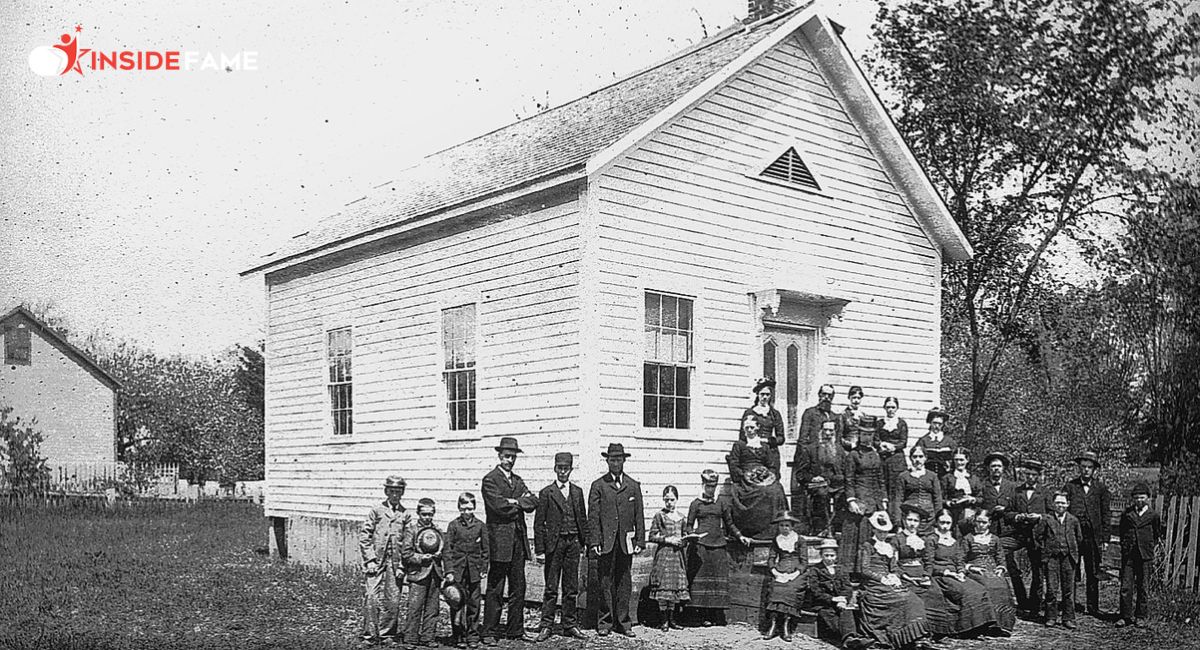
The first and most widely recognized type consisted of families with long-standing connections to the region. Their roots stretched back to early American settlement, and their values were shaped by generations of lived experience. These individuals were often raised to appreciate quiet discipline, modesty, and a sense of responsibility toward the community. Their traditions emphasized education, thoughtful living, and dignity in everyday behavior.
Because of their long history in the area, this group’s habits and expectations helped define the cultural identity of New England. Their approach to life favored simplicity, careful judgment, and steady values. They served as early examples of the Boston Brahmin ideal, influencing how others understood refinement and leadership.
Later-Adopted Elite Members
A second major type of Brahmin identity included individuals or families who became part of this cultural circle through accomplishment rather than ancestry. They earned respect through scholarship, public contributions, or long-term dedication to their communities. Although they lacked deep historical roots, their values aligned closely with those of earlier Brahmins.
Their behaviors—restraint, humility, intellectual curiosity, and a strong sense of civic duty—blended naturally with the habits of established members. Over time, they helped expand what it meant to be a Boston Brahmin while preserving the group’s core character and traditions.
How Boston Brahmin Values Shaped Regional Education
Education played a central role in shaping the identity of Boston Brahmins, influencing both personal development and the broader character of the region. Their commitment to learning encouraged the growth of strong academic environments where reading, writing, debate, and intellectual curiosity were part of everyday life. The belief that knowledge should be approached with seriousness and humility helped shape a culture that appreciated thoughtful discussion and careful reasoning. Many schools and community groups in the region adopted these values, creating a tradition of academic excellence that continues to be associated with New England today.
Across generations, this focus on education guided how families raised children and how community leaders made decisions. Thoughtful speech, disciplined study, and a respect for literature and classical learning became trademarks of the Brahmin character. Over time, these qualities influenced institutions across the region, reinforcing New England’s reputation as a place where intellectual pursuits were both respected and encouraged.
The Intellectual and Academic Brahmins
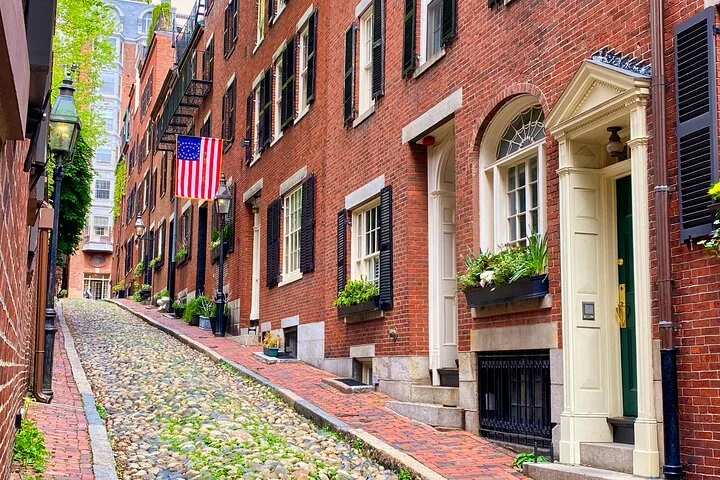
This category consisted of individuals who dedicated their lives to teaching, writing, or academic study. Their influence reached far beyond classrooms. They enriched public discussions, contributed to local literature, and helped shape the educational landscape of the region. Their devotion to learning reflected the Brahmin belief that knowledge strengthens both individuals and society.
Through essays, lectures, and engagement in intellectual circles, these Brahmins promoted curiosity, moral insight, and thoughtful communication. Their continued presence strengthened New England’s reputation as a center of scholarship and cultural refinement.
Civic and Public-Service Brahmins
Another type consisted of those who played important roles in public affairs or community life. Their leadership style reflected restraint, fairness, and a commitment to the common good. Rather than seeking attention or authority, they valued responsible decision-making and long-term community stability.
Their influence helped shape a political culture that favored thoughtful debate and steady progress. Their approach to governance emphasized cooperation, moral duty, and careful judgment, which became a recognizable part of the New England character.
The Quiet Social Etiquette That Defined Brahmin Life
Social etiquette played a significant role in shaping the everyday behavior of the Boston Brahmins. Their approach to communication favored measured speech, modest presentation, and calm interaction. Rather than relying on loud expression or dramatic gestures, they valued a quieter style of conduct that reflected restraint and emotional balance. These habits were not meant to elevate themselves above others but to demonstrate self-control, dignity, and respect.
This calm, thoughtful manner of interacting became one of the most recognizable traits of Brahmin culture. It influenced everything from conversation and hospitality to public behavior and private gatherings. Over time, these expectations helped establish a broader regional reputation for politeness and moderation. Even today, many aspects of New England’s cultural tone echo this disciplined, understated approach to social life.
How Brahmin Traditions Influenced Architecture and Lifestyle
The daily habits and traditions of the Boston Brahmin shaped more than just manners—they also influenced the look and feel of many New England communities. Their appreciation for modesty and simplicity extended to their surroundings, creating an environment that favored well-crafted homes, quiet neighborhoods, and timeless architectural styles. Buildings associated with Brahmin life often reflected balance and subtle beauty rather than extravagance.
Their lifestyle promoted the idea that surroundings should support thoughtful living, calm reflection, and order. This meant preferring comfortable but simple furnishings, well-kept gardens, and spaces designed for reading, conversation, or private study. These aesthetic preferences contributed to the charm of many historic New England neighborhoods and helped preserve the region’s classical character long after architectural trends changed elsewhere in the country.
Philanthropic Brahmins
This type of Brahmin was defined by a strong commitment to charitable work. They supported hospitals, schools, cultural programs, and social organizations that strengthened the community. Their generosity was quiet and intentional, guided by the belief that service was a moral responsibility rather than a pursuit of recognition.
Because of their steady involvement, many lasting institutions in the region were able to grow and evolve. Their influence helped build a culture of giving that remained central to the identity and strength of Boston and its surrounding communities.
Cultural and Traditional Brahmins
This group played an essential role in maintaining the lifestyle and traditions associated with the Brahmin identity. They valued modesty, calm behavior, simplicity, and respect for custom. Even if they were not scholars or civic leaders, their daily habits helped preserve cultural continuity and the subtle elegance that defined Brahmin life.
Through etiquette, speech, routines, and appreciation for timeless values, they kept the essence of the Boston Brahmins alive from one generation to the next. Their quiet influence sustained much of the region’s classic character.
Modern-Era Brahmins
As the world changed, a modern category of Brahmins emerged. These individuals may not follow the exact lifestyle of earlier generations, but they continue to value education, cultural depth, and thoughtful living. Their identity blends long-standing traditions with contemporary perspectives.
This group demonstrates how cultural traditions can remain meaningful even as society evolves. They maintain the spirit of restraint, curiosity, and community involvement, while embracing new responsibilities and forms of expression that reflect today’s world.
Why the Brahmin Legacy Still Attracts Interest Today
Interest in the Boston Brahmin tradition remains strong because it offers insight into how values, behavior, and cultural expectations can shape an entire region. People are often fascinated by the group’s ability to balance refinement with modest living, and achievement with humility. Their influence on education, civic duty, and cultural preservation continues to resonate with modern audiences who appreciate thoughtful leadership and meaningful community involvement.
The Brahmin legacy also raises questions about how social traditions evolve over time. While early members formed a clear identity rooted in history, later generations adapted those values to a changing world. This evolution shows how cultural groups can remain relevant when they focus on principles rather than rigid boundaries. By blending past and present, the Brahmins created a tradition that continues to inspire curiosity and respect throughout New England and beyond.
Shared Traits Across All Boston Brahmin Types
Across all categories, several key traits consistently appeared:
-
commitment to lifelong learning
-
modest and measured behavior
-
dedication to community and public responsibility
-
thoughtful leadership grounded in fairness
-
preservation of customs and quiet traditions
These shared values formed the foundation of the Brahmin identity and created a recognizable cultural presence throughout New England.
Social Expectations and Cultural Influence
Social expectations played a major role in shaping daily Brahmin behavior. Courtesy, honesty, measured speech, and restraint were valued across all types. These qualities created a calm, thoughtful atmosphere that influenced broader regional behavior. Schools, charitable groups, cultural institutions, and political life were shaped by these standards.
Because these values endured across generations, they became associated with the character of Boston and the surrounding region. Many aspects of New England culture—its emphasis on education, stability, and modest living—can be traced back to the habits of the Boston Brahmins.
Lasting Legacy of the Boston Brahmin Types
The Boston Brahmins continue to interest historians, students, and cultural observers because their influence stretched far beyond their own communities. They shaped regional identity, helped build lasting institutions, and promoted values that guided public behavior for generations. Each type of Brahmin contributed something unique, but they all shared a belief in thoughtful living and civic responsibility.
By understanding these different types, it becomes clear how the Brahmin identity remained strong over centuries. Their traditions survived not because of wealth or power, but because they were rooted in character, learning, and a sincere desire to strengthen their communities.
Final Thoughts
The Boston Brahmin identity is a collection of several interconnected types that together formed one of the most influential cultural groups in American history. Old-established families provided the foundation, later achievers expanded the circle, scholars enriched intellectual life, civic leaders strengthened public institutions, and cultural stewards preserved daily traditions. Modern descendants continue to adapt these values today.
Although times have changed, the essence of the Boston Brahmin tradition—modesty, education, careful judgment, and community engagement—still resonates. These qualities not only shaped New England’s past but continue to inspire curiosity about what thoughtful leadership and meaningful tradition can look like in today’s world.
Frequently Asked Questions (FAQs)
What defined someone as a Boston Brahmin?
A Boston Brahmin was known for modest living, calm behavior, strong educational values, and a commitment to community responsibility. Their identity came from character and conduct rather than wealth alone.
Did all Brahmins come from old family backgrounds?
No. While early members came from long-established families, others joined through achievement, public service, or contributions to culture and learning.
Why were education and learning so important to them?
Education was seen as essential to personal development and community improvement. Learning symbolized discipline, curiosity, and social duty.
Were Brahmins active in public life?
Many were. Those involved in civic leadership emphasized fairness, calm decision-making, and service to the common good.
What made their lifestyle different from other elites?
Their lifestyle centered on modesty and restraint. They preferred simplicity over flashiness and valued character more than material display.
Did they support charitable causes?
Yes. Many were deeply involved in philanthropy. They supported hospitals, schools, cultural programs, and organizations that helped the community.
How did tradition shape their daily behavior?
Traditions influenced speech, manners, expectations, and educational goals. These customs created a sense of continuity across generations.
Are modern Brahmins the same as earlier ones?
Not exactly. Modern descendants adapt traditions to today’s world, but they still appreciate education, culture, and thoughtful living.
Why are Brahmins often associated with calm behavior?
They valued self-control, measured speech, and quiet judgment. These traits became associated with their public and private conduct.
Did Brahmins influence education in New England?
Yes. Their emphasis on learning shaped schools, academic culture, and intellectual life across the region.
Why do people still study this group today?
Their influence shaped community traditions, political culture, educational institutions, and social expectations that continue to affect the region.
What idea united all Boston Brahmin types?
They believed individuals should pursue learning, act with integrity, and contribute meaningfully to their communities.
FOR MORE : INSIDE FAME
