


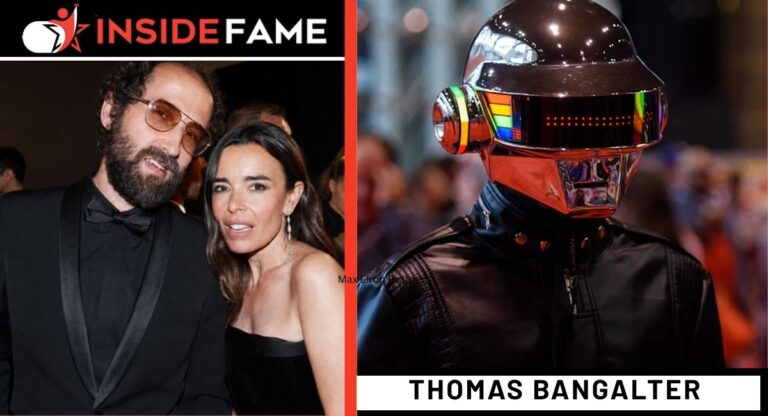
Thomas Bangalter is one of the most influential names in modern electronic music. Best known as one half of Daft Punk, he helped reshape dance music, pop production, club culture, and visual performance for a global audience. His career is not only about hit songs and robot helmets; it is also about creativity, privacy, reinvention, and the courage to leave behind a famous image when the art demands something new.
For many fans, Thomas Bangalter represents the mysterious side of music fame. He became world-famous while hiding his face, yet his sound became instantly recognizable. From French house records to Grammy-winning albums, film scores, ballet compositions, and rare post-Daft Punk appearances, his journey shows how a producer can become a cultural architect without chasing celebrity attention.
Quick Bio
| Detail | Information |
|---|---|
| Full Name | Thomas Bangalter |
| Date of Birth | January 3, 1975 |
| Birthplace | Paris, France |
| Nationality | French |
| Profession | Musician, producer, composer, DJ |
| Best Known For | Co-founding Daft Punk |
| Former Bandmate | Guy-Manuel de Homem-Christo |
| Major Duo | Daft Punk |
| Spouse | Élodie Bouchez |
| Children | Two sons |
| Notable Solo Work | Mythologies |
| Music Style | French house, electronic, orchestral, experimental |
Who Is Thomas Bangalter?
Thomas Bangalter is a French musician, composer, producer, and former member of Daft Punk, the electronic duo he formed with Guy-Manuel de Homem-Christo. He became famous for blending house, disco, funk, rock, pop, and futuristic sound design into music that felt both nostalgic and ahead of its time. His work helped make electronic music more emotional, cinematic, and widely accepted by mainstream audiences.
What makes Bangalter especially interesting is the contrast between his fame and his privacy. While Daft Punk became one of the biggest electronic acts in the world, he rarely lived like a traditional celebrity. The helmets, the controlled interviews, and the carefully planned visuals all helped separate the person from the project, allowing the music and mythology to take center stage.
Early Life and Background
Thomas Bangalter was born in Paris, France, into a creative environment that shaped his future. His father, Daniel Vangarde, was a songwriter and producer, which meant Bangalter grew up close to the world of music. This early exposure gave him a practical understanding of rhythm, arrangement, and studio culture long before he became a global name.
Paris also played a major role in his artistic identity. The city’s mixture of fashion, cinema, nightlife, and underground music helped influence his taste. Instead of following one narrow musical path, Bangalter absorbed many sounds and styles, later turning them into something fresh through Daft Punk and his solo projects.
Education and First Creative Steps
Bangalter met Guy-Manuel de Homem-Christo while studying at Lycée Carnot in Paris. Their friendship became the foundation of one of the most important partnerships in electronic music. Before Daft Punk, they were part of a rock-oriented group called Darlin’, but the project did not last long.
A negative review described Darlin’s music in a way that inspired the name “Daft Punk.” What could have been a discouraging moment became a turning point. Bangalter and de Homem-Christo moved toward drum machines, samplers, and dance music, building a sound that would later define the French house movement.
The Rise of Daft Punk
Daft Punk began gaining attention in the 1990s with a raw, club-ready sound. Their early music was built on strong beats, filtered samples, and a sense of energy that felt perfect for underground dance floors. Bangalter’s production approach was direct but clever, using repetition, texture, and groove to create songs that stayed in the listener’s mind.
The duo’s debut album, Homework, introduced them to a worldwide audience. Tracks like “Around the World” and “Da Funk” became electronic classics because they were simple enough to feel immediate but detailed enough to reward repeated listening. Bangalter helped prove that dance music could have personality, humor, and lasting artistic value.
Global Fame and the Robot Image
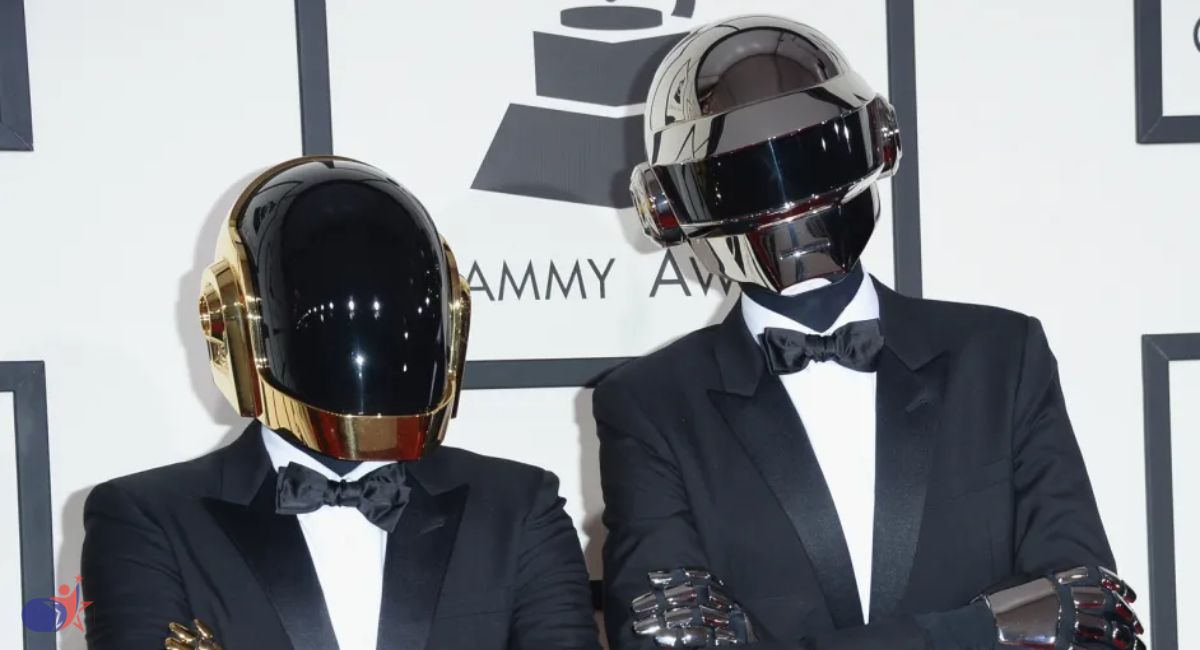
Daft Punk’s robot image became one of the most recognizable visuals in music history. For Thomas Bangalter, the helmets were not just costumes; they were a creative tool. They allowed the duo to avoid ordinary celebrity culture and build a world where technology, emotion, and mystery could exist together.
This image became even stronger during the Discovery era. Songs like “One More Time,” “Digital Love,” and “Harder, Better, Faster, Stronger” turned Daft Punk into global icons. Bangalter’s work during this period showed his gift for making electronic music feel warm, human, and deeply memorable, even when presented through a robotic identity.
Thomas Bangalter’s Music Style
Thomas Bangalter’s music style is built on contrast. He often combines mechanical rhythms with emotional melodies, making songs that feel both precise and alive. His production can be minimal, funky, dramatic, or cinematic depending on the project, but it usually carries a strong sense of movement.
His influence can be heard in French house, pop, hip-hop sampling culture, and modern electronic production. Bangalter understands how small details can change a song’s impact: a bassline, a vocal chop, a filter sweep, or a repeated phrase can become the emotional center of a track. That ability helped Daft Punk stand apart from many electronic acts.
Solo Projects and Creative Identity
Outside Daft Punk, Thomas Bangalter built a strong creative identity through solo releases, collaborations, and label work. His label Roulé became important in French house culture, releasing tracks that influenced DJs and producers around the world. These projects showed a rawer side of his creativity compared with Daft Punk’s highly polished albums.
Bangalter also worked on film-related music and experimental projects. His career shows that he is not limited to one format. Whether creating club music, soundtrack work, or orchestral compositions, he often approaches sound as part of a larger visual and emotional experience.
Life After Daft Punk
Daft Punk officially ended in 2021, closing a legendary chapter that lasted nearly three decades. For many fans, the breakup felt shocking, but it also made sense for artists who had always cared about timing, concept, and creative control. Bangalter did not rush to recreate the same formula after the duo ended.
Instead, he moved into new territory. His 2023 orchestral work Mythologies showed a major shift away from the electronic sound most fans expected. It revealed a composer interested in classical forms, ballet, and acoustic performance, proving that his artistic curiosity was still active beyond the Daft Punk machine.
Marriage, Wife, and Family
Thomas Bangalter is married to French actress Élodie Bouchez, known for her work in French cinema and international screen projects. Their relationship has remained relatively private, which fits Bangalter’s long-standing approach to public life. He has never built his identity around personal exposure, even when fans are curious about his family.
The couple has two sons. While some public information about his family exists, Bangalter generally keeps his children away from media attention. This privacy has helped him maintain a healthier separation between his artistic achievements and his personal responsibilities.
Parents and Creative Influence
Bangalter’s father, Daniel Vangarde, had a meaningful presence in the music industry as a songwriter and producer. Growing up near that world likely gave Thomas an early understanding of how songs are built and how creative careers work. That background did not make his success automatic, but it gave him a foundation.
What stands out is how Bangalter used that foundation in his own way. He did not simply copy older music industry models. Instead, he helped build a new language for electronic music, one that connected underground club culture with global pop without losing its artistic edge.
Net Worth and Financial Growth
Thomas Bangalter’s financial success is closely tied to Daft Punk’s worldwide impact, music publishing, album sales, touring, licensing, production work, and long-term cultural value. While exact net worth figures vary online and are often estimates, it is clear that his career has been financially successful because Daft Punk remained popular across generations.
Major projects like Random Access Memories, global tours, streaming revenue, catalog value, and brand-level recognition all contributed to his financial growth. However, Bangalter’s career is more important than a simple money figure. His real value lies in influence, ownership, creative control, and a body of work that continues to shape modern music.
Recent Work and Public Return
In recent years, Thomas Bangalter has become more visible in selective ways. His rare DJ appearances after Daft Punk drew major attention because fans had not seen him perform in that setting for many years. These moments felt special because Bangalter has never overused public appearances.
His newer work also shows a wider artistic direction. From orchestral composition to live collaborations and art-related projects, he appears focused on freedom rather than repeating the past. This makes his post-Daft Punk chapter especially interesting for fans who want to understand where his creativity is going next.
Legacy and Cultural Impact
Thomas Bangalter’s legacy is larger than Daft Punk’s biggest hits. He helped change how audiences see electronic musicians, proving that producers could be storytellers, performers, visual artists, and cultural innovators. His work brought dance music into arenas, award shows, films, fashion spaces, and everyday playlists.
He also helped create a model for artistic mystery in the internet age. Instead of revealing everything, Bangalter showed that restraint can make art more powerful. His career reminds listeners that identity, sound, image, and silence can all become part of the same creative language.
Final Thoughts
Thomas Bangalter remains one of the most respected figures in electronic music because he never allowed success to make his work predictable. From his early Paris roots to Daft Punk’s global rise and his newer solo compositions, he has continued to explore sound with intelligence and imagination.
For anyone asking, “Who is Thomas Bangalter?” the answer is simple but layered: he is a French musician, Daft Punk co-founder, producer, composer, husband, father, and creative thinker who helped define the sound of a generation. His life and career prove that true influence does not always need constant visibility; sometimes, it comes from building something unforgettable and knowing when to evolve.
Frequently Asked Questions (FAQs)
Who is Thomas Bangalter?
Thomas Bangalter is a French musician, producer, composer, and former member of Daft Punk. He is best known for helping create some of the most influential electronic music of the last three decades.
What is Thomas Bangalter famous for?
He is famous for co-founding Daft Punk with Guy-Manuel de Homem-Christo. The duo became known for songs like “One More Time,” “Around the World,” “Get Lucky,” and “Harder, Better, Faster, Stronger.”
Is Thomas Bangalter still part of Daft Punk?
No, Daft Punk officially ended in 2021. Since then, Thomas Bangalter has focused on solo work, orchestral music, and selective live appearances.
Who is Thomas Bangalter’s wife?
Thomas Bangalter is married to French actress Élodie Bouchez. She is known for her work in French films and international television projects.
Does Thomas Bangalter have children?
Yes, Thomas Bangalter and Élodie Bouchez have two sons. He keeps his family life private and does not often discuss his children publicly.
What is Thomas Bangalter’s solo album?
One of his major solo works is Mythologies, an orchestral ballet score released in 2023. It showed a different side of his musical talent beyond electronic production.
What music style is Thomas Bangalter known for?
He is known for French house, electronic music, disco-inspired production, and experimental composition. His later work also includes orchestral and ballet music.
Why did Daft Punk wear helmets?
Daft Punk used helmets to create a robotic identity and avoid traditional celebrity culture. The image helped make their music feel futuristic, mysterious, and larger than life.
What is Thomas Bangalter’s net worth?
Exact figures vary because public estimates are not always reliable. His wealth is believed to come from Daft Punk’s music catalog, touring, publishing, production work, and long-term royalties.
Is Thomas Bangalter still making music?
Yes, Thomas Bangalter continues to make music, but his work has moved beyond the classic Daft Punk sound. He has explored orchestral composition, live collaborations, and art-focused projects.
Who was Thomas Bangalter’s Daft Punk partner?
His Daft Punk partner was Guy-Manuel de Homem-Christo. Together, they created one of the most successful and influential electronic music duos in history.
Why is Thomas Bangalter important?
Thomas Bangalter is important because he helped bring electronic music into global pop culture while keeping artistic control and mystery. His work influenced producers, DJs, pop artists, and visual performers worldwide.
FOR MORE : INSIDE FAME
