



The story of the United Airlines Flight UA770 Emergency Diversion quickly caught attention because it combined two things that always make travelers uneasy: an international flight and an unexpected emergency call in the air. For many readers, the first question was simple. What exactly happened, and how serious was it? The good news is that the flight landed safely, and the event became more of a lesson in airline safety than a story of disaster. That is an important difference, because in modern aviation, a diversion often shows the system working as it should.
Flight diversions can sound dramatic, but they are part of a wider safety culture that puts caution first. Pilots do not wait for a problem to grow worse before taking action. When there is a warning, a system concern, or any condition that may affect a long-haul flight, the safest choice may be to land at the nearest practical airport with strong support on the ground. That is why the United Airlines Flight UA770 Emergency Diversion matters. It shows how quickly trained crews, air traffic control, and airport teams can respond when a routine flight suddenly needs a new plan.
The Flight and Its Planned Route
United Airlines Flight UA770 was scheduled to travel from Barcelona, Spain, to Chicago O’Hare, one of the busiest international gateways in the United States. That route is a long one across the Atlantic, and flights like this depend on careful planning from the moment the aircraft leaves the gate. Fuel, weather, routing, airspace, and onboard systems are all part of a larger picture. On the day of the diversion, the flight started as a normal transatlantic journey. Passengers expected a long but standard trip from Europe to the American Midwest.
The aircraft used on the route was reported as a Boeing 787-9 Dreamliner, a plane often used for long-distance service because of its range, fuel efficiency, and passenger comfort. That matters because long-haul aircraft are built with multiple backup systems and strict operating procedures. Even so, no airplane is treated casually when a warning appears in the air. If the crew receives information that suggests continuing across the ocean may not be the safest option, the flight can be rerouted to a major airport that is better placed to inspect the aircraft and support passengers. In this case, London Heathrow became that airport.
When the Situation Changed Mid-Flight
What made this event stand out was the emergency declaration itself. Reports indicated that the aircraft transmitted the general emergency code used by pilots when immediate priority handling is needed. For people unfamiliar with aviation, that can sound frightening. In practice, it is a direct and organized way to tell controllers that the aircraft needs special attention and likely a revised route. It does not automatically mean a crash risk. It means the crew wants the fastest, clearest, and safest path to a suitable airport.
Once that signal was sent, the direction of the flight changed. Instead of continuing toward Chicago, the aircraft headed for London Heathrow. This decision appears to have been based on caution and operational safety rather than panic. Heathrow is one of the world’s best-equipped airports, with long runways, experienced controllers, airline support teams, maintenance resources, and emergency services ready if needed. Choosing a major airport is often one of the smartest moves in a developing situation because it gives the crew more options the moment the wheels touch the ground.
Why Flights Get Diverted
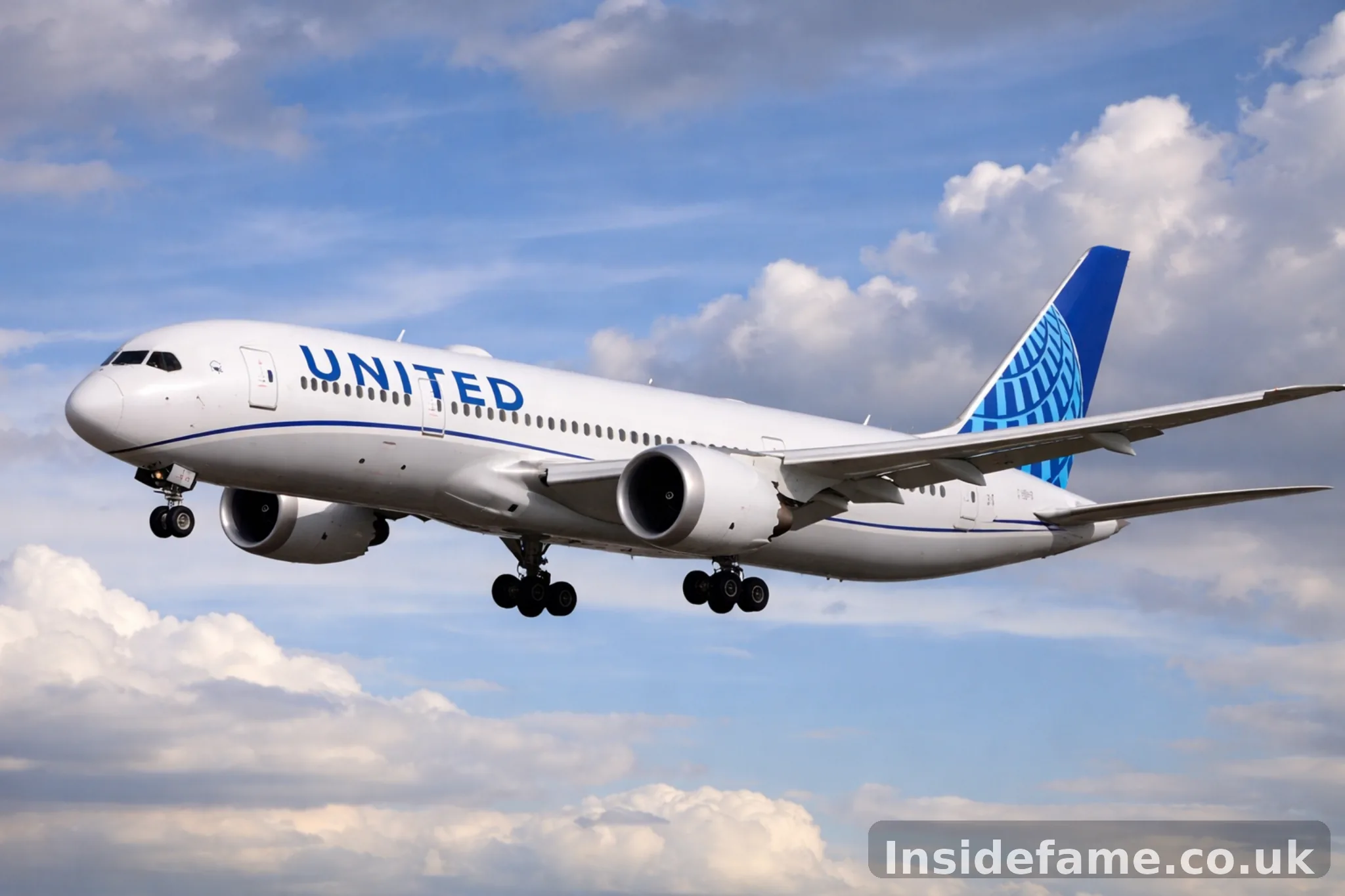
The exact reason behind the United Airlines Flight UA770 Emergency Diversion was not explained in enough public detail to support a firm conclusion, and that is worth saying clearly. In situations like this, early online reports often move faster than confirmed technical information. Some stories use broad terms like “technical issue” or “mid-air problem,” but those words can cover many possibilities. Until an airline or aviation authority releases a fuller explanation, it is better to stay careful and precise.
In general, flights are diverted for a short list of common reasons. These can include a mechanical warning, a system message in the cockpit, a medical emergency, a pressurization concern, weather changes, or another condition that makes the planned route less desirable. What matters most is not public guessing, but the crew’s judgment in the moment. Pilots are trained to use available data, checklists, and communication with company operations to decide whether to continue, hold, or divert. The fact that UA770 landed safely suggests that the process worked exactly as it was designed to work.
Why London Heathrow Made Sense
For many readers, one practical question is why the flight went to London instead of returning to Barcelona or continuing west. The answer usually comes down to geography, resources, and aircraft handling needs. Once a flight is airborne and partway into its route, the nearest suitable major airport may be a better option than turning all the way back. Heathrow offers world-class runway infrastructure, constant international traffic support, and direct access to ground teams that can inspect a widebody aircraft quickly.
There is also a passenger and airline operations side to this. A large airport can handle customs, terminal movement, crew coordination, rebooking, and aircraft servicing more smoothly than a smaller field. That means even when a diversion causes stress and delays, it can still reduce the larger risk of confusion after landing. In other words, Heathrow was not just a convenient map point. It was a strong safety choice and a practical recovery point for an international flight that needed a controlled stop.
What Passengers Likely Experienced
Inside the cabin, most diversions feel very different from how they look on social media. Passengers may notice a change in the flight path on a seatback screen, a calm but serious crew announcement, or the sound of the aircraft descending earlier than expected. They may also feel uncertainty because they do not yet know whether the issue is minor or severe. That uncertainty is often the hardest part. Travelers usually imagine the worst before they have enough information.
Even so, airline crews are trained to manage that exact moment. Flight attendants focus on keeping people calm, seated, and informed. Pilots normally avoid unnecessary detail during fast-moving situations, but they do try to reassure passengers that the aircraft is under control and that a safe landing is the priority. The reported outcome of the United Airlines Flight UA770 Emergency Diversion suggests that the cabin remained manageable and that the crew carried out its duties in a steady, professional way. In aviation, calm communication is often as important as technical skill.
What Happens Right After Landing
After an aircraft makes an emergency diversion, the story is not over once it reaches the runway. Ground teams usually meet the plane, and depending on the nature of the issue, emergency vehicles may be positioned nearby as a precaution. The aircraft may taxi to a gate or to a remote stand where inspections can begin. Passengers usually stay onboard until the crew receives instructions. That waiting period can feel long, but it is part of the process of making sure the aircraft is stable, safe, and ready for normal deplaning.
Once passengers leave the plane, the airline shifts into recovery mode. That can include meal vouchers, rebooking, overnight arrangements, baggage handling, and new departure plans. For international travelers, this stage is often frustrating because even a safe diversion can disrupt work, family plans, and connecting flights. Still, those delays are usually accepted more easily when travelers understand that the stop was made out of caution. Safety decisions are rarely convenient, but convenience is never meant to come first in a real in-flight event.
Key Facts Readers Should Know
If you want the clearest picture of the United Airlines Flight UA770 Emergency Diversion, these are the main points to remember:
- The flight was operating from Barcelona to Chicago.
- It declared a general emergency while in the air.
- The aircraft diverted to London Heathrow instead of continuing across the Atlantic.
- It landed safely, and no major injuries were widely reported.
- Public reports did not clearly confirm one exact technical cause.
Why This Story Spread So Fast Online
Aviation stories often travel fast because they combine public fear, real-time tracking, and global curiosity. Today, many people follow flights live on tracking apps, which means unusual turns, descents, or emergency codes are noticed almost instantly. Once an aircraft changes route over a busy region like Western Europe, screenshots and brief updates can spread across social media within minutes. That is one reason the United Airlines Flight UA770 Emergency Diversion became such a widely discussed topic.
The speed of online discussion, however, does not always produce the best understanding. Early reports often focus on the most dramatic details and leave out the quieter truths that matter just as much. For example, a diversion may look alarming on a map, but it can actually be a controlled, standard response to a manageable issue. This gap between what looks scary and what is operationally normal is where confusion begins. Readers benefit most when coverage slows down, avoids guessing, and focuses on verified outcomes.
Lessons for Airlines and Passengers
There are useful lessons in this event for both airlines and travelers. For airlines, every diversion becomes part of a larger operational learning process. Even when no one is injured, the event is reviewed to understand how the crew responded, how the systems behaved, and how passenger care could be improved after landing. These reviews help strengthen future decisions and sharpen training for the next unexpected event.
For passengers, the lesson is simpler. Listen closely, follow crew instructions, and avoid assuming the worst too early. In most cases, a diversion is a controlled response, not a collapse of control. Travelers can also make disruptions easier on themselves by keeping medicine, chargers, travel papers, and one change of essentials in a carry-on bag. Those small habits do not prevent a diversion, but they can make the hours after an unplanned landing far less stressful.
Why Exact Language Matters in Incidents Like This
One reason this story deserves careful writing is that aviation language can be misunderstood by the public. Terms like emergency, diversion, priority landing, or technical issue do not all mean the same thing, but they are often used as if they do. A “general emergency” declaration can be serious, yet still lead to a safe and orderly landing with no visible chaos. A “technical issue” can range from a system warning to a more direct performance concern. Without proper context, those words can create fear far beyond the actual event.
That is why careful reporting matters. In the case of the United Airlines Flight UA770 Emergency Diversion, the safest way to describe the event is to stick to what is solid: the flight changed course, declared an emergency, landed at Heathrow, and ended without the kind of harm that many people fear when they first hear the words emergency landing. Accurate language protects readers from confusion in the same way good crew communication protects passengers from panic.
Final Thoughts
The United Airlines Flight UA770 Emergency Diversion is best understood not as a mystery story, but as a clear example of modern airline safety in action. A long-haul flight encountered an in-flight concern, the crew treated it seriously, a major diversion airport was chosen, and the aircraft landed safely. That sequence tells us something important. The system did what it was built to do. It recognized uncertainty and answered it with caution, planning, and control.
For travelers in the U.S., the U.K., and anywhere else, that is the most useful takeaway. Flights do not need to end exactly as planned to count as a success. Sometimes success means changing course before a smaller issue can become a larger one. The public may remember the unusual route and the emergency call, but the deeper story is about professionalism, preparation, and a safe outcome. In that sense, the United Airlines Flight UA770 Emergency Diversion is less a warning sign about flying and more a reminder of why aviation continues to earn public trust.
Frequently Asked Questions (FAQs)
What happened on United Airlines Flight UA770?
The flight was traveling from Barcelona to Chicago when the crew declared an emergency and diverted to London Heathrow. The aircraft landed safely, which is the most important part of the story.
Why did UA770 divert to London Heathrow?
Heathrow was a strong choice because it is a major international airport with long runways, experienced support teams, and full resources for a large long-haul aircraft.
Was the United Airlines Flight UA770 Emergency Diversion dangerous?
Any in-flight emergency is taken seriously, but a diversion does not always mean disaster. In this case, the flight landed safely, showing that the response was controlled and effective.
Did the plane crash or make a hard landing?
No public reports indicate a crash or a failed landing. The aircraft was diverted and landed safely, which is very different from an accident.
Were there injuries on board UA770?
The reporting that appeared consistently did not point to major injuries. That helped reassure many readers who first heard about the emergency call online.
What type of aircraft was operating UA770?
The flight was reported as a Boeing 787-9 Dreamliner. This is a long-haul aircraft commonly used on international routes such as Barcelona to Chicago.
What does it mean when a plane declares an emergency?
It means the pilots want priority handling because of a situation that needs fast attention. It does not always mean the aircraft is about to crash, but it does mean the crew is acting with caution.
Do flights often divert because of technical issues?
Diversions are not everyday events for most passengers, but they are a normal safety option in commercial aviation. Airlines prefer a safe delay over taking unnecessary risks.
Why wasn’t the flight allowed to continue to Chicago?
When a crew believes it is safer to stop at a nearer suitable airport, continuing is usually not the right move. Safety decisions are based on conditions in real time, not passenger convenience.
What usually happens to passengers after a diversion?
Passengers are normally deplaned once the aircraft is cleared and the airline begins rebooking or arranging onward travel. This can take time, especially on an international route.
Should nervous flyers worry after hearing about UA770?
Stories like this can sound scary at first, but they often show the safety system working correctly. A safe diversion is usually a sign that trained professionals handled the situation well.
Why are people still searching for this incident?
People search for it because aviation emergencies attract attention and many want a plain-language explanation. They also want to know whether everyone was safe and what caused the route change.
FOR MORE : INSIDE FAME
