


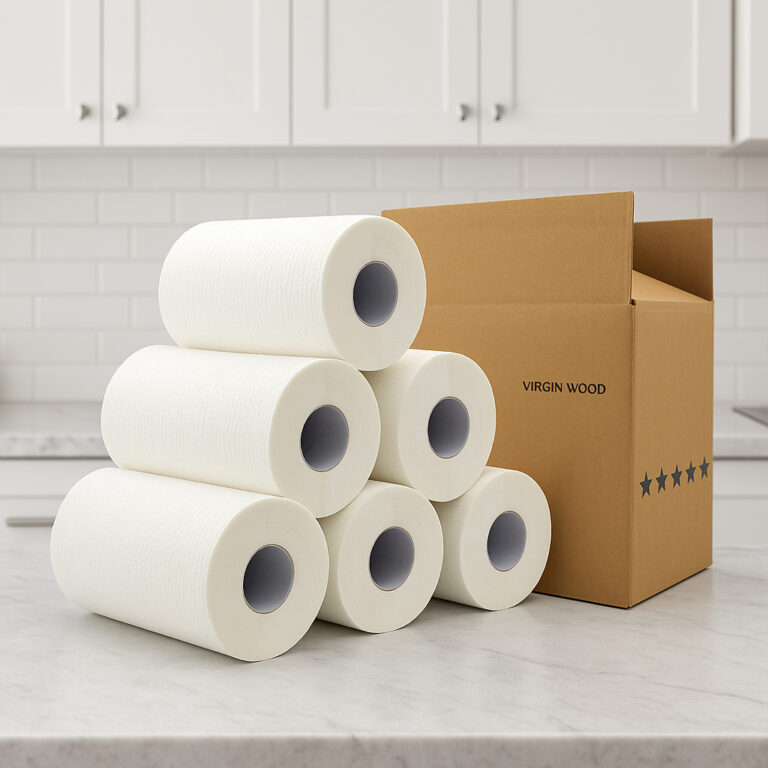
Finding a dependable toilet paper manufacturer for bulk supply is a critical decision for distributors, retailers, and hospitality businesses. Whether you are stocking up for a large-scale facility or launching your own brand, the partner you choose directly impacts your bottom line and customer satisfaction.
With so many options in the global market, narrowing down the right bulk toilet paper supplier requires more than just looking at the price tag. You need to consider quality, customization options, and the reliability of their logistics.
Here are the key factors to evaluate when choosing a manufacturing partner.
1. Prioritize Product Quality and Material Variety
The first thing to assess is the quality of the paper. A reputable toilet paper manufacturer should offer a range of options to suit different market needs. In the bulk industry, quality is usually defined by “ply” (the number of layers), softness, and absorbance.
- 1-Ply vs. 2-Ply vs. 3-Ply: Ensure the manufacturer can produce the specific thickness your customers expect.
- Material Sources: Is the paper made from 100% virgin wood pulp, recycled fibers, or sustainable alternatives like bamboo?
- Certifications: Look for manufacturers that adhere to international standards, ensuring the products are hygienic and safe for skin contact.
Providing high-quality tissue isn’t just about luxury; it’s about reducing waste. Higher-quality paper often means users need less of it, which is a major selling point for bulk buyers.
2. Competitive Pricing and Scalability
When dealing with high-volume orders, even a small difference in unit price can lead to significant savings—or costs. A reliable bulk toilet paper supplier should offer transparent pricing structures that reward larger orders.
However, price should never come at the expense of reliability. This is where companies like Anmaray stand out, providing a balance between cost-effective manufacturing and high-standard production. When vetting a partner, ask for a detailed quote that includes:
- Minimum Order Quantities (MOQ): Can they handle your current volume, and do they have the capacity to grow with you?
- Bulk Discounts: Are there tiered pricing models for extremely large contracts?
3. OEM and Private Label Capabilities
If you are looking to build your own brand, you need a partner that specializes in private label toilet paper. Private labeling allows you to put your own branding, logo, and packaging designs on the product, helping you build brand loyalty without owning a factory.
A good manufacturer should offer:
- Custom Packaging: Options for plastic wrapping, paper wrapping, or custom-printed boxes.
- Sheet Customization: The ability to adjust sheet size, roll length, and embossing patterns.
- Design Support: Some top-tier manufacturers assist with the technical aspects of packaging design to ensure the final product looks professional on retail shelves.
4. Logistics and Delivery Consistency
In the world of bulk supply, a delay in delivery can disrupt your entire supply chain. When choosing a toilet paper manufacturer, you must evaluate their geographic location and their logistical infrastructure.
Key logistical questions include:
- Lead Times: How long does it take from the moment an order is placed to the moment it leaves the factory?
- Shipping Costs: Is the manufacturer located near major shipping ports or transport hubs to minimize freight costs?
- Tracking and Support: Do they provide real-time updates on your shipment?
A manufacturer with a proven track record of on-time deliveries is worth more than a slightly cheaper one that frequently misses deadlines.
Conclusion
Choosing the right bulk toilet paper supplier is a long-term investment in your business’s reputation. By focusing on product quality, transparent pricing, and robust private label toilet paper capabilities, you can ensure a steady supply of essential goods that meet your customers’ standards.
Remember to vet potential partners thoroughly, request samples, and prioritize companies that offer both manufacturing excellence and logistical reliability. With the right partner, managing your bulk supply becomes a seamless part of your operations.
