


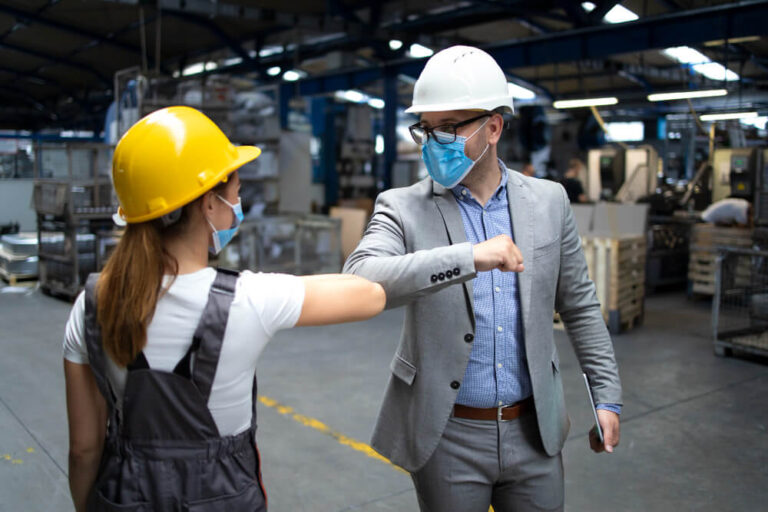
Unplanned machinery failure in high-stress settings cuts far deeper than lost hours. Safety records suffer. Workers get hurt. Operations collapse at precisely the worst moment. How equipment actually holds up under real pressure shapes everything — incident rates, worker well-being, whether an operation can sustain itself at all. This isn’t optional. It’s the structural core of any serious operational strategy, touching every decision about equipment selection, maintenance timing, and where budget dollars genuinely go.
The Role of Equipment Reliability in Preventing Safety Incidents
Think of reliable equipment as a frontline barrier. It doesn’t just perform — it protects. Machinery that consistently hits its performance specs makes unexpected failures far less likely. And unexpected failures? That’s exactly what puts workers in harm’s way. Hydraulic systems on construction equipment must hold steady pressure and respond on cue every single time. Miss that once. Control disappears instantly. Maintenance crews hold that barrier in place through regular inspections, preventive servicing, and worn parts replaced before they become hazards — not scrambled for after something breaks. Fewer unplanned failures mean fewer dangerous moments, full stop. There’s another benefit that rarely gets mentioned: reliable equipment behaves predictably. Workers can focus attention on visible, real-world risks rather than chasing surprises buried underneath the surface.
How Equipment Degradation Affects Worker Safety and Operational Control
Age and neglect eat away at reliability. Slowly at first. Then all at once. Worn components respond sluggishly or erratically, stripping operators of the precise control demanding tasks require. In manufacturing, a deteriorating welding power supply destabilizes arc performance — unintended sparks, electrical hazards, people suddenly at risk. Degradation also raises the odds of catastrophic failure, where one weak link triggers total loss of function rather than a manageable performance dip. Workers stuck operating degraded machinery compensate constantly: extra effort, heightened vigilance, improvised fixes that have no business being necessary. Each workaround injects human error into situations where that error carries genuine cost. An organization’s commitment to serviceable equipment determines, directly, how safely its people can work.
Establishing Reliability Standards for Demanding Operational Environments
Generic reliability standards won’t cut it. They must match the specific hazards of the environment — extreme heat, heavy vibration, rapid-response requirements. Equipment that handles routine conditions cleanly can fall apart under those pressures. Building meaningful standards requires assessing what performance the operation actually demands, identifying failure modes that would compromise safety, and setting inspection intervals that surface problems before they show themselves. Track performance history. Document specs. Use that data to drive maintenance timing and replacement decisions rather than guessing. In sectors where survival hinges on instant deployment — overwater aviation operations, for instance — crews depend on aviation life rafts that satisfy rigorous certification requirements, because dependable performance matters most when conditions turn worst. Holding equipment to established industry standards builds a safety culture where machinery is treated as an ongoing responsibility — not an afterthought buried in the annual budget review.
Maintenance Practices That Support Both Reliability and Safety
Maintenance choices determine whether equipment ever reaches the reliability that safe operations demand. Preventive maintenance — scheduled at fixed intervals regardless of how the equipment looks — catches wear before it turns dangerous. Predictive approaches go further. Diagnostics and condition monitoring let problems get addressed at the right moment, cutting unnecessary service without letting real issues slip past unnoticed. Documentation matters more than most organizations want to admit. Every service activity, every parts swap, every observed performance change deserves a record. That history surfaces patterns. Patterns reveal emerging problems early. But formal programs only cover part of the picture — operators hear the odd sound, feel the strange vibration, notice the subtle response drop that instruments miss entirely. Build a system where those observations travel upward fast and get acted on promptly. That’s what stops minor issues from becoming the next serious incident.
Conclusion
Safe work depends on tools that behave as expected. Simple as that. Organizational responsibility means selecting the right equipment, maintaining it properly, setting clear reliability standards, and building systems that reinforce both reliability and safety simultaneously. Prioritize reliability and workers stay protected — operational efficiency tends to follow. Demanding environments offer no margin for unreliable machinery. None at all. Treating dependable equipment as a cornerstone of responsible operations, rather than a secondary concern, positions any organization to work with more confidence and fewer incidents. In these settings, reliability and safety aren’t separate conversations. They never were.
