


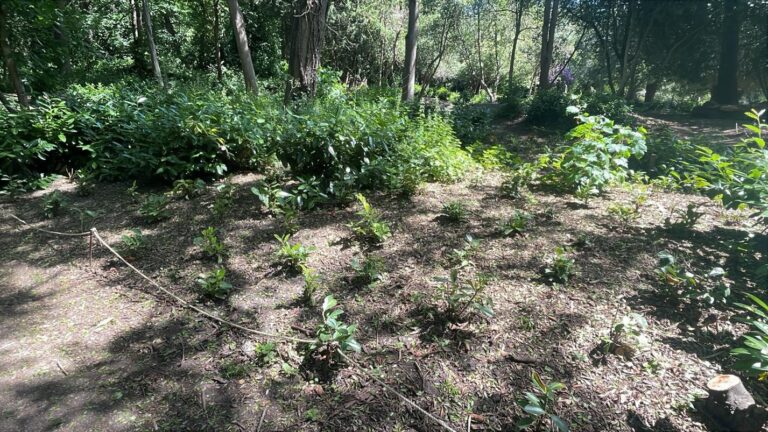
You finally move into that gorgeous Chiswick period home and picture yourself relaxing in a lush, sun-drenched garden. Then, summer arrives, and you realise that your lawn gets about 40 minutes of direct sunlight on a good day.
Before you know it, the grass looks patchy, moss has moved in, and that expensive plant in the corner is turning a suspicious shade of yellow.
But don’t blame yourself. You didn’t do anything wrong; your garden is just fighting a battle on several fronts at the same time. Here is what you’re up against.
Mature Trees
We all love Chiswick in the summer because the streets look stunning, thanks to the massive, ancient trees. Limes, plane trees, and horse chestnuts have been ruling the neighbourhood for decades, and they certainly show it.
But the downside to those gorgeous, sweeping canopies is that they block a huge amount of sunlight. By July and August, your back garden might as well be receiving the same amount of light as a windowless basement.
So, you have to factor that giant green umbrella when you’re choosing plants and designing your layout.
Tall Period Homes
Those classic Victorian and Edwardian terraces are undeniably beautiful, but they were built long before anyone stopped to ask, ‘What about the gardens?’
Because these houses are so tall and tightly packed together, they cast massive, sweeping shadows across each other’s outdoor spaces.
Worse yet, when the sun sits lower in the sky during spring and autumn, your neighbour’s roof can easily wipe out sunlight in your garden for an entire morning or afternoon.
South-facing gardens usually get a slightly better deal, but some shadows may still manage to creep in along the boundary lines. On the other hand, if you have a north-facing garden, you’ll feel this the most, as your own house completely blocks out the best light of the day.
Long, Narrow Layouts
The classic London garden layout is famously long, narrow, and fenced off on both sides. While those tall fences are great for stopping the neighbours from watching you lounge around in your pyjamas, they completely cut off the sun.
The narrower your plot, the worse it gets. Instead of catching the sun at an angle, your lawn ends up sitting in permanent shade. By the time the sun climbs high enough to peek over the fences, you’ve already lost hours of beautiful morning light.
Rear Extensions
It feels like half the homeowners in Chiswick have added massive kitchen extensions over the last couple of decades. They look spectacular from the inside and give you all that lovely open-plan space, but they can seriously cut down the amount of light reaching your garden.
The bigger the extension, the more it robs your lawn and patio of afternoon light as the sun moves around to the west. If you’ve ever wondered why the grass closest to your house looks like it’s given up on life, it’s not a coincidence. That extension is hogging all the sun.
How to Manage Shade in Your Garden
Now that you’ve figured out what’s stealing the sunshine from your garden, you can stop fighting nature and start outsmarting it. You don’t need to rent a bulldozer or completely overhaul your plot, either. A few clever tweaks can make your space feel significantly brighter in no time.
Choose Shade-Tolerant Grass Seed
Standard grass varieties are high-maintenance and often need hours of blazing sunshine to stand a chance. So, if your lawn is struggling, swap it out for a shade-tolerant mix.
You can find these easily at local spots like Dobbies or the bigger B&Q branches, and they’re specifically bred to survive and hold their colour in darker conditions.
You don’t have to scatter these seeds all across your garden, though. Instead, use them as a targeted treatment. If the grass under your trees or next to your extension is looking a bit bald, tossing down some shade-tolerant seeds is often the easiest fix.
Prune Trees and Overgrown Shrubs
People often skip this step because taking a pair of shears to a tree feels like a massive, terrifying commitment. But you don’t need to completely get rid of your beautiful oak to make a difference.
If you carefully thin out a dense canopy by removing crossing branches and heavy growth, you’ll allow light to filter through without ruining the tree’s natural shape at all.
Do the same with any massive shrubs along your fence lines. Just cut them back by about a third, and you’ll instantly brighten up those dark corners.
However, if you don’t trust yourself with those sharp tools and need help with gardening, Chiswick has many excellent providers to choose from. They’ll handle all the heavy lifting, so your weekend doesn’t end with a trip to A&E.
Improve Drainage in Damp, Shaded Areas
Shady gardens tend to stay soggy long after the rain stops, and that mix of low light and permanent dampness encourages moss to move in. Before you know it, your grass will start thinning out and feeling like a giant bathmat.
Luckily, fixing this is usually pretty simple. Once a year, grab a garden fork and punch some holes in your lawn to break up compacted soil.
And if certain areas always turn into mini swamps after a bit of rain, mix some sharp sand into the soil to help water move through the ground.
Raise Plants Towards Available Light
If the ground level in your garden is permanently dark, don’t waste your time forcing plants to survive down there. Move them closer to the light instead.
Raised beds and tiered planters lift your plants out of the shadows so they can catch more of the sunlight higher up. Even a little extra height can help, especially if your garden is boxed in by fences, walls, or trees.
And if you really want to make the most of a shady space, go vertical. Train climbers up a trellis, hang planters on a brighter wall, or use shelves and stacked pots to pull your greenery upwards.
Conclusion
Who says your garden needs to bake in the blazing sun all day? Your shaded little plot has massive potential just waiting to be unlocked.
So, grab some seeds, elevate those planters, and reclaim your outdoor space. You’re about to turn that moody Victorian shadow trap into the lushest spot on the block.
