


Introduction
Few comforts suit the long Canadian winter as well as the warmth of a sauna, and the outdoor barrel sauna has become a popular way to bring that experience into the backyard. Its distinctive rounded shape is more than rustic charm; it reflects sound design. Understanding how a barrel sauna works, and how to use it wisely, helps an owner enjoy it safely for many years. The barrel sauna also carries a long cultural history, drawing on a northern tradition of using intense, dry heat to relax the body and lift the spirits through the coldest months. That heritage, combined with modern materials and careful construction, is part of what makes it such a fitting addition to a Canadian backyard, where winters are long and a warm retreat is welcome.
Why the Barrel Shape
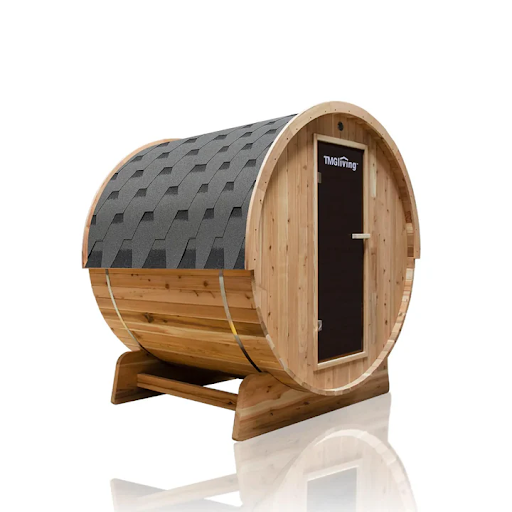
The cylindrical form of a cedar barrel sauna is a practical piece of engineering. Heat rises and circulates naturally around the curved interior, so the space warms evenly without the cold corners of a boxy room. The rounded shape also encloses less air than a rectangular cabin of the same bench length, which means it heats faster and uses less energy. Rain and snow shed easily from the curved roof, an advantage in the Canadian climate.
The Role of Cedar
Cedar is the traditional choice for sauna construction, and for good reason. The wood resists moisture and decay naturally, which matters in the damp, changeable conditions of an outdoor cabin. It insulates well, helping the sauna hold its heat, and stays comfortable to touch even when the room is warm. Cedar’s natural aroma, released gently by the heat, is part of the experience that draws people back. A tempered glass door adds strength and a sense of openness. Left untreated, good cedar weathers slowly to a soft silver-grey, a natural finish that many owners prize and that needs no painting or sealing to maintain. This low upkeep is a quiet advantage for a structure that lives outdoors through every kind of weather, from summer sun to winter snow.
How the Sauna Heats
A heater warms the air and a set of stones within the cabin, and those stones store and radiate heat steadily. Pouring a little water over hot stones releases a burst of steam that raises the sense of warmth and humidity. The bather controls the experience through the heater and the amount of water used, building the gentle, enveloping heat that defines a good sauna session.
Comfort, Wellbeing, and Safe Use
People use a sauna to relax, to warm through after time in the cold, and to enjoy a quiet pause. Used sensibly it is a pleasant ritual, but it should be approached with care rather than as a medical treatment. A few habits keep it safe:
- Keep sessions to a moderate length and start cooler until the body adjusts.
- Drink water before and after, since sweating causes real fluid loss.
- Step out and cool gradually if you feel dizzy or unwell.
Anyone who is pregnant, takes medication, or lives with a heart condition should speak with a qualified professional before regular use.
Advantages and Limitations
A cedar barrel sauna offers clear appeal, with honest limits:
- It heats quickly and evenly, resists weather, and brings a relaxing retreat into the backyard.
- It is a comfort and wellbeing feature rather than a medical device, and it calls for sensible session limits and good hydration.
Industry Outlook
As interest in home wellness and outdoor living grows across Canada, the barrel sauna continues to win a place in backyards from the coast to the prairies. Its efficient shape and durable cedar construction suit the climate well. Those who choose a quality cabin supported by reliable backyard wellness retreat solutions gain a warm, welcoming retreat from the cold for many seasons to come. Sited on firm, level ground with a little clearance for air to circulate, and given simple seasonal care, a barrel sauna asks very little in return for the comfort it provides. For many households it becomes a cherished part of the winter routine, a place to thaw out and unwind after time spent in the cold.
