


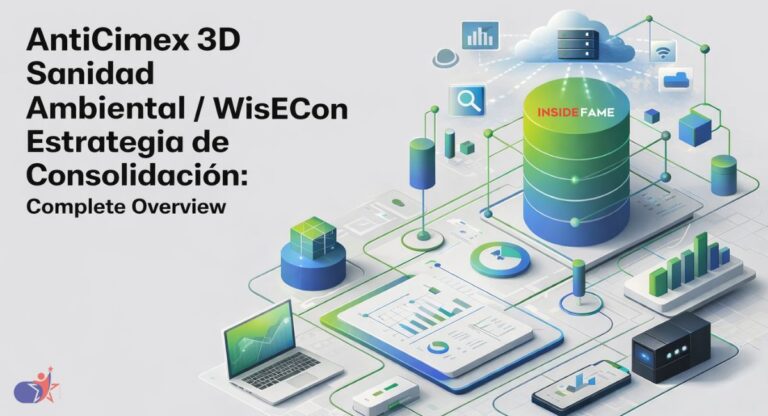
Anticimex has spent decades moving pest control away from one-off treatments and toward modern, preventive protection. In Spain, that work is led by Anticimex 3D Sanidad Ambiental, a company focused on environmental hygiene, air quality and integrated pest management for public and private clients.
In recent years, the company has combined this experience with digital tools developed by WiseCon, a Danish specialist in smart traps and monitoring systems. The result is the strategy now often described as Anticimex 3d Sanidad Ambiental / Wisecon Estrategia De Consolidación—a way of unifying services, data and technology so pest control becomes continuous, remote and far less dependent on toxic products.
Understanding Anticimex 3D Sanidad Ambiental
Anticimex 3D Sanidad Ambiental operates from Sant Cugat del Vallès, near Barcelona, and delivers services across Spain. Its work covers disinfection, disinfestation, rodent control, bird management, fumigation, wood protection, phytosanitary treatments, water system hygiene, and indoor air-quality monitoring. These services are used by city councils, hospitals, hotels, logistics platforms, food factories and many other organizations that need safe, compliant environments.
The company holds ISO 9001:2015 certification for the design and execution of environmental hygiene and pest control services. This certification matters because it shows a formal system for quality, auditing and continuous improvement. It also supports trust when Anticimex 3D Sanidad Ambiental brings new digital tools into sensitive spaces such as health care or food processing.
From Treatment to Continuous Digital Monitoring
For much of the twentieth century, pest control was reactive. Technicians visited a site on a fixed schedule, checked traps manually, refilled bait and responded when staff reported problems. That process required many visits, gave only partial information between inspections and often relied heavily on rodenticides.
The model that Anticimex promotes today is different. Under the SMART concept, the priority is to prevent infestations rather than simply reacting after damage has appeared. Networks of sensors and connected traps monitor activity around the clock, sending information automatically to a central data hub and to trained technicians. When devices register movement or body heat, they trigger a capture or alert, and the system logs the exact time and location. This approach turns pest management into a continuous, data-driven service instead of a series of manual checks.
Who WiseCon Is and Why It Matters
WiseCon A/S began in Denmark as a technology company dedicated to poison-free rodent traps and electronic monitoring systems. Its products, including smart sewer traps and wall-mounted devices, use sensors and communication modules to detect and remove rodents while sending real-time status data.
In 2015, Anticimex acquired 20 percent of WiseCon as part of a plan to lead the shift toward digital pest control. Two years later, Anticimex bought the remaining 80 percent and turned WiseCon into its global innovation center for digital pest control, based in Helsinge, Denmark. From that point on, WiseCon’s technology and Anticimex’s field network were combined under one structure, making it possible to roll out SMART systems at scale in Europe, the Americas and Asia-Pacific.
Anticimex 3d Sanidad Ambiental / Wisecon Estrategia De Consolidación in Context
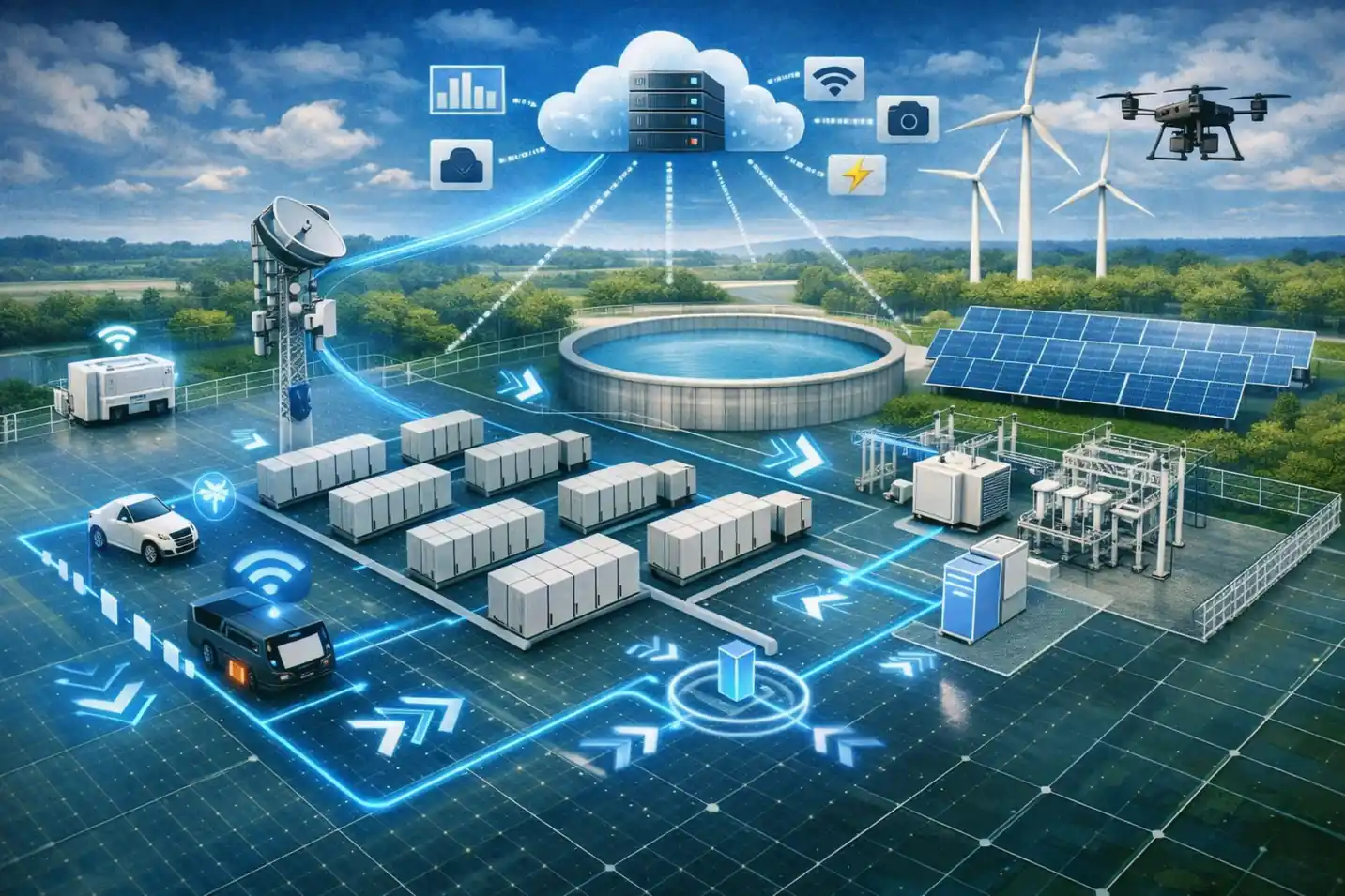
The phrase Anticimex 3d Sanidad Ambiental / Wisecon Estrategia De Consolidación describes more than a single project. It refers to a long-term plan to bring together local service organizations, like the Spanish business, with a shared global technology platform built around WiseCon hardware and software.
For Anticimex 3D Sanidad Ambiental, this means shifting from isolated contracts—for example, treating cockroaches in one restaurant or rodents in a single warehouse—to an integrated service model. Multiple sites can be connected to the same digital ecosystem, monitored from one dashboard, and supported by a mixture of on-site visits and remote supervision. Over time, the consolidation strategy aims to standardize tools, training and reporting across branches while still leaving local teams close to their customers.
How the SMART System Works in Practice
At the heart of this strategy is the Anticimex SMART ecosystem, developed from WiseCon’s original designs. The system combines connected traps, sensors and a data hub that uses mobile or other wireless networks to send information to Anticimex servers. A typical installation follows a simple logic:
-
First, technicians inspect the site and analyze risk zones such as loading bays, kitchens, sewers or storage rooms.
-
Next, they install a network of non-toxic traps and sensors that detect movement, body heat or other signals of rodent activity.
-
Finally, data from every device flows to a central system, where alerts, capture counts and trends are reviewed so technicians can decide when and where to act.
Because devices communicate automatically, staff do not need to check each trap by hand. The system can send alerts even when there is no capture but a pattern of activity is starting to form, giving teams time to seal entry points or adjust sanitation routines before a full infestation appears.
Case Examples and Real-World Projects
The benefits of this approach can be seen in real projects. In Spain, Anticimex has used SMART systems in municipal sewer networks, food-industry facilities and urban pilot programs. For example, projects in Spanish towns have installed mechanical sewer traps equipped with sensors to detect and remove rodents directly in underground pipes. The traps reset automatically after each activation, allowing constant protection without the need for poison bait.
International case studies show similar results. In cities such as Jerez de la Frontera, SMART devices combined with connected sensors have given local authorities detailed maps of rodent activity, helping them respond faster and reduce pesticide use as part of broader sustainability goals. Commercial providers in the United States also report that remote monitoring reduces the number of emergency call-outs while improving traceability for audits in food plants and warehouses.
Customer Communication and Reporting
A key part of the Anticimex 3d Sanidad Ambiental / Wisecon Estrategia De Consolidación is the way information is shared with clients. Instead of waiting for a technician’s visit to find out what is happening on site, facility managers can receive clear summaries based on real activity data. Reports can show where devices have triggered, how many captures were recorded, and which areas remain quiet, helping teams understand risk at a glance and plan their own maintenance or cleaning work more effectively.
Because the underlying system stores historical data, clients can also track trends over weeks and months. This makes it easier to demonstrate compliance during audits, explain investments to senior management and evaluate whether structural changes, like sealing entry points or redesigning waste areas, have actually reduced pest pressure. In this way, digital reporting turns pest management into a measurable, transparent process rather than something that happens mostly out of sight.
Environmental and Public Health Benefits
Traditional rodent control often depends on anticoagulant baits, which can harm non-target wildlife and create secondary poisoning risks. SMART systems, built around non-toxic mechanical traps and real-time monitoring, help reduce the need for these substances. By focusing on physical capture and prevention, Anticimex 3D Sanidad Ambiental supports municipalities and companies that want to meet stricter environmental rules while protecting residents and employees.
There is also a climate benefit. Because traps can be checked remotely, technicians only visit when data shows that work is needed. This reduces unnecessary trips, fuel use and associated emissions. Combined with better monitoring of indoor air quality and water systems, the broader service package strengthens public health efforts, especially in dense urban areas and health-care settings.
Benefits for Different Types of Clients
For city councils, Anticimex 3D Sanidad Ambiental offers a way to turn critical infrastructure—such as sewers, waste-handling areas and public buildings—into connected zones where rodent activity is tracked continuously. This supports smart-city goals and gives decision-makers access to clear, visual reports about where problems originate and how they evolve over time.
Food manufacturers, supermarkets, logistics hubs and hospitality businesses gain something slightly different: a combination of regulatory compliance and brand protection. Digital logs help demonstrate that premises are under control, while early alerts reduce the risk of product contamination or guest complaints. Residential customers, through partner brands in different countries, can use SMART systems to protect basements, attics and storage areas without relying on toxic baits inside the home.
Challenges and Considerations in Digital Pest Management
Even with clear advantages, the Anticimex 3d Sanidad Ambiental / Wisecon Estrategia De Consolidación faces practical challenges. Upfront investments in connected devices, communication modules and data platforms can be higher than in basic trap-and-bait programs. Some customers need time to understand why continuous monitoring and service subscriptions provide better long-term value than occasional emergency visits.
There are also operational questions. Technicians must be trained not only in biology and control methods but also in installing, calibrating and maintaining digital equipment. Branches need reliable connectivity, robust data security and clear processes for handling alerts so that information does not simply accumulate without action. As more devices are added, Anticimex must keep refining its platforms so they remain easy for teams and clients to use.
Future Outlook for the Consolidation Strategy
Looking ahead, the consolidation of Anticimex 3D Sanidad Ambiental and WiseCon technology is likely to deepen. More types of devices, such as smart cameras, insect monitoring units and integrated air-quality sensors, are being developed or tested in different markets. As they are standardized and proven, these tools can be rolled out through the Spanish branch and others, expanding the range of services that operate within the same digital ecosystem.
The strategy also opens the door to advanced analysis. With thousands of devices sending information every day, Anticimex can identify patterns in rodent behavior, seasonal trends and the impact of urban changes such as new construction or shifts in climate. Combined with local expertise, this information can guide targeted infrastructure improvements and more efficient planning for cities and large companies.
Final Thoughts
Anticimex 3d Sanidad Ambiental / Wisecon Estrategia De Consolidación is best understood as a long-term transformation rather than a single product. In Spain and across the world, Anticimex is merging traditional field work with WiseCon’s digital traps, sensors and data platforms to create a more preventive, transparent and environmentally responsible way of managing pests.
For cities, companies and residents, this means cleaner surroundings, fewer surprises and better protection for health and property. As regulations tighten and expectations for sustainability rise, a consolidated strategy built on continuous monitoring and non-toxic solutions is likely to become a central part of how environmental health services operate in the coming years.
Frequently Asked Questions (FAQs)
What does Anticimex 3D Sanidad Ambiental do in Spain?
It provides environmental hygiene, pest control, water treatment and indoor air-quality services for public bodies and private companies across the country.
How is WiseCon connected to Anticimex?
WiseCon is a Danish developer of smart traps and monitoring systems that Anticimex first invested in and later fully acquired to serve as its global innovation center for digital pest control.
What is special about the SMART system used in this strategy?
The SMART system links non-toxic traps and sensors to a central data hub, allowing 24/7 monitoring, automatic alerts and targeted visits instead of routine manual inspections.
Why is the consolidation strategy important for customers?
By unifying local service teams with a shared digital platform, customers gain more consistent quality, clearer reporting and faster response times across all their sites.
Does this approach reduce the use of toxic products?
Yes, the focus on mechanical traps, physical exclusion and early detection helps cut back on rodenticides and other chemicals, which is better for people, animals and the environment.
How does continuous monitoring help cities and municipalities?
Connected devices in sewers and public areas create detailed maps of rodent activity, so authorities can prioritize high-risk zones and evaluate the impact of their control programs.
Is Anticimex 3D Sanidad Ambiental certified for quality management?
The company holds ISO 9001:2015 certification for its environmental hygiene and pest control services, which confirms audited procedures and a focus on ongoing improvement.
Can SMART technology be used in homes as well as businesses?
Yes, partner brands use the same connected traps and sensors in residential settings, giving homeowners constant protection without placing toxic bait inside living spaces.
What industries benefit most from this consolidated model?
Food manufacturing, logistics, retail, hospitality, health care and public institutions all benefit because they need strict hygiene, strong documentation and fast response to any pest activity.
Are there any limitations or risks with digital pest control?
Like any connected system, it depends on reliable power, communication networks and good data handling, so proper installation, maintenance and security practices are essential.
How does this strategy fit into wider smart-city ideas?
By turning sewers, waste areas and public buildings into monitored networks, it supports broader smart-city efforts that use connected devices to improve health, safety and resource efficiency.
What future developments can we expect from this consolidation?
We can expect more types of sensors, broader use of data analysis and closer integration between environmental services, city planning and building management as the platform continues to evolve.
FOR MORE : INSIDE FAME
