


Storytelling has always been about more than a single striking moment — it’s about what happens before and after it. That’s exactly where most AI video tools used to fall short, limited to short bursts that couldn’t carry a full narrative arc.
Dreamina’s Seedance 2.5 model changes that equation, giving creators the room to build stories that actually unfold instead of just flashing by.
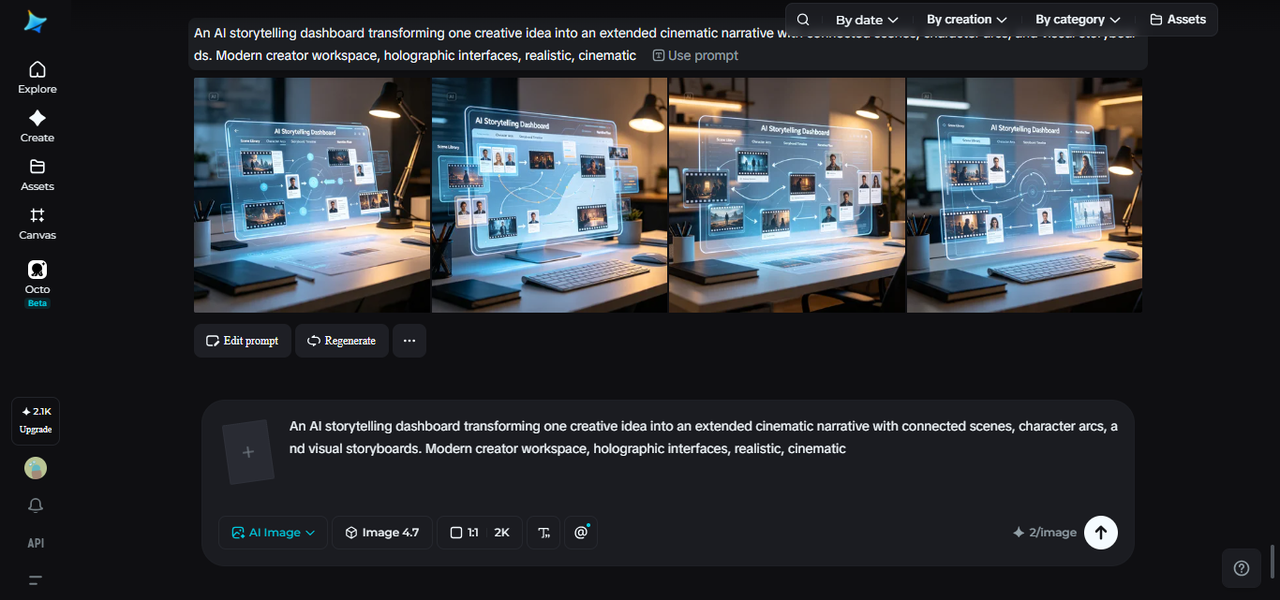
The problem with telling a story in a few seconds
A short clip can show a moment, but it can’t show a journey. If a creator wants to capture a character growing, a plot developing, or a scene building toward a payoff, a handful of seconds simply isn’t enough runway. Creators were often forced to either compress their story into something too rushed to feel meaningful, or patch together multiple short generations that rarely matched in tone, lighting, or pacing.
That patchwork approach came at its own cost. Every seam between clips was a chance for something to feel disjointed — a character’s outfit shifting slightly, a background losing its consistency, or the pacing feeling stitched together rather than deliberate.
What gives Seedance 2.5 room to tell a full story
Seedance 2.5 gives creators far more room to work with. Single-clip generation has doubled from 15 to 30 seconds, and an Ultra-long Video Generation mode extends that even further — with presets at 30, 60, 90, 120, 150, and 180 seconds, plus manual input anywhere from 5 to 180 seconds. A story can now develop naturally within one sequence instead of being chopped into disconnected fragments. When a project does need to extend beyond a single generation, it can now go through two full rounds of extension without the visible quality loss earlier versions introduced after just one.
A wider range of creative input shapes the story upfront
The model accepts up to 50 pieces of multimodal material — text, images, video, and audio — fed in together, giving it a much clearer sense of the full story before generation even begins. A creator can combine a storyboard script, reference images, character notes, and a soundtrack reference in a single pass, which matters especially for longer narratives, since more context upfront tends to translate into fewer surprises in the final output.
Consistency holds up across a longer runtime
Cumulative errors that used to build up over extended sequences are largely resolved now, so lighting, tone, and visual style stay aligned scene after scene instead of drifting as the video goes on. Timeline control has also gotten far more precise, with sequencing errors kept within about one second, allowing specific moments or actions to land accurately within a longer sequence rather than approximately.
Editing lets a story be refined without starting over
Targeted changes can now be made to a generated video without regenerating the whole thing from scratch. Local, region-level editing allows a specific detail to be adjusted, and audio can be edited separately too — removing vocals, stripping background noise, or adding a new soundtrack after the fact.
Together, these changes mean a longer video can be planned with real structure — an opening, a middle stretch where the story develops, and a proper closing beat — rather than treated as one long improvised take.
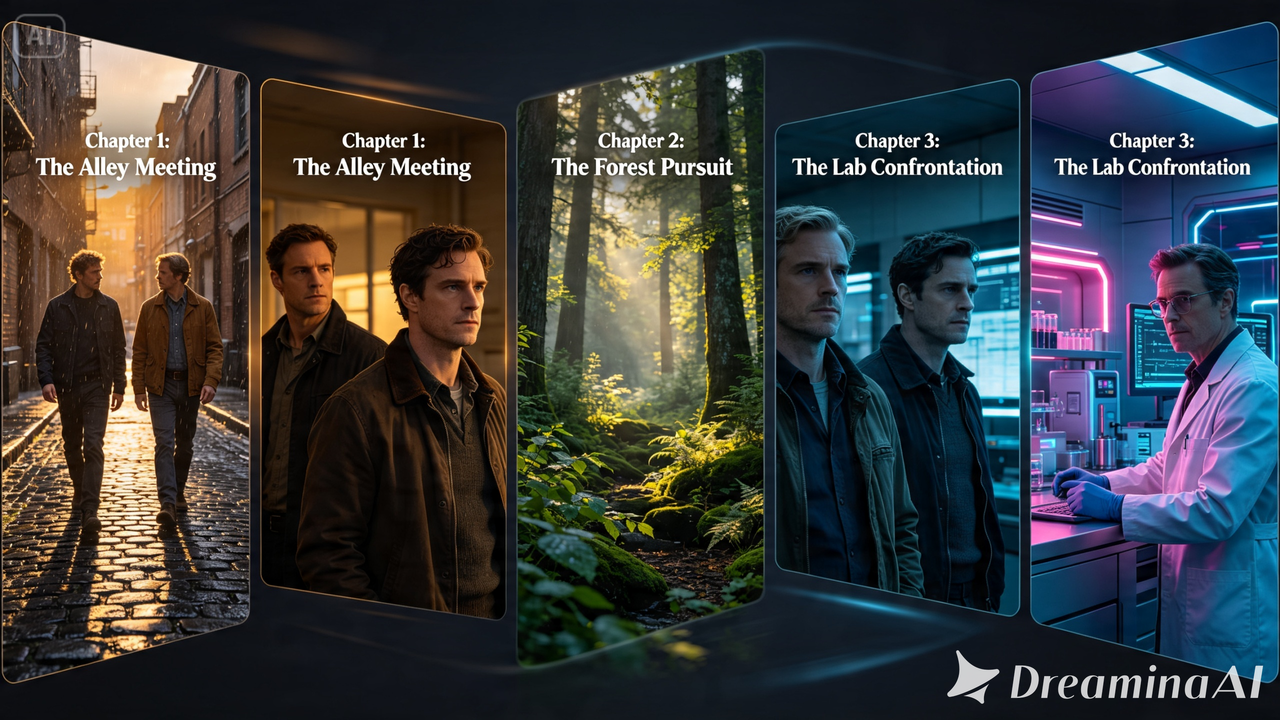
Bring your full story to life with Dreamina
Getting from an idea to a finished, story-length video takes just three steps.
Step 1: Describe your story and add a reference image
Head to Dreamina, sign in, and open the “AI Video” section. If your story is built around a specific person, product, or setting, click “Add reference image” and upload a photo to guide the generation. If you’re working purely from imagination, skip that step and just write your prompt. A good prompt sets the scene clearly.
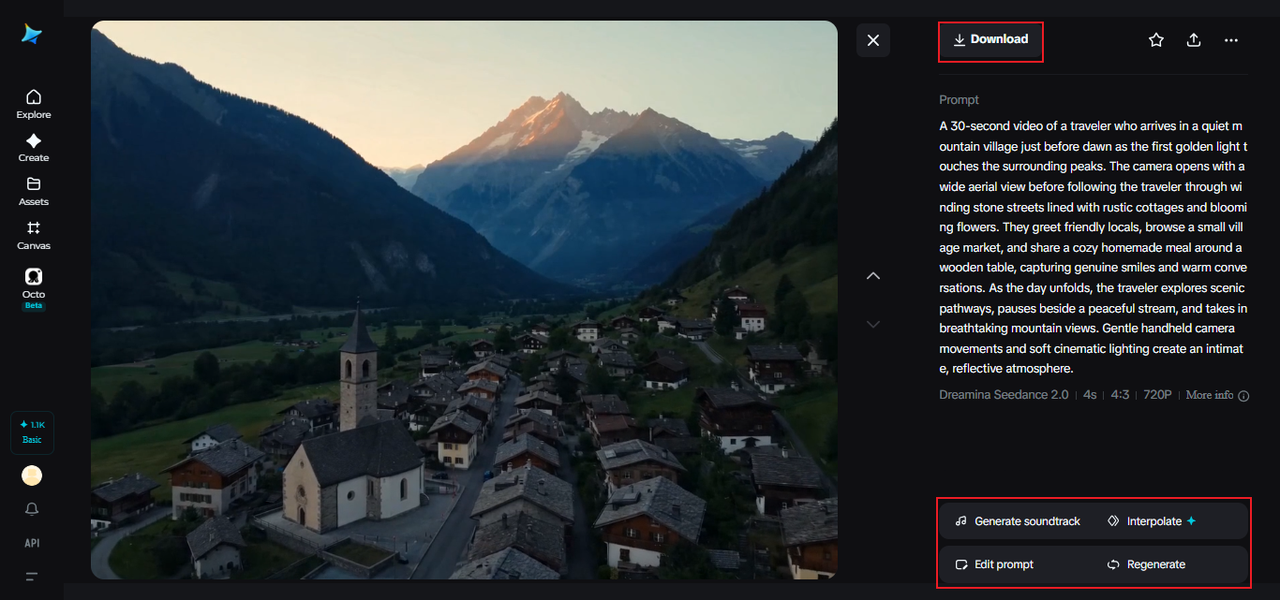
For example: A video of a traveler who arrives in a quiet mountain village just before dawn as the first golden light touches the surrounding peaks. The camera opens with a wide aerial view before following the traveler through winding stone streets lined with rustic cottages and blooming flowers. They greet friendly locals, browse a small village market, and share a cozy homemade meal around a wooden table, capturing genuine smiles and warm conversations. As the day unfolds, the traveler explores scenic pathways, pauses beside a peaceful stream, and takes in breathtaking mountain views. Gentle handheld camera movements and soft cinematic lighting create an intimate, reflective atmosphere.
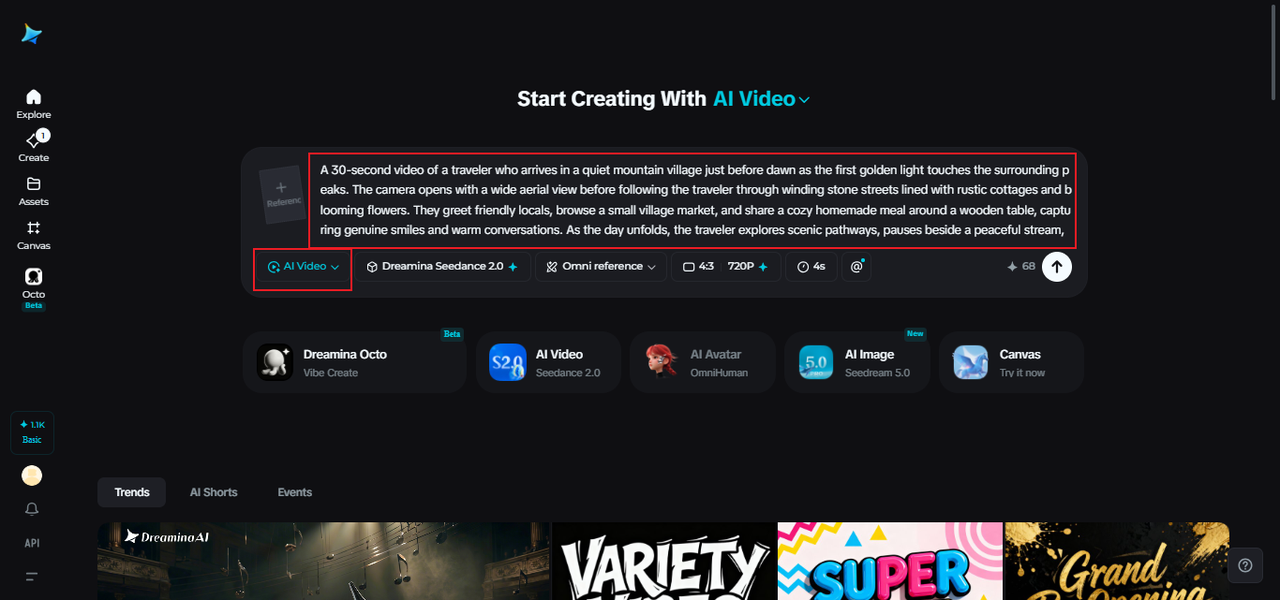
Step 2: Hand it off to Seedance 2.5
With your prompt set, select the Seedance 2.5 model for generation. Choose how long you want the video to run, then pick an aspect ratio that fits its destination — 16:9 works well for YouTube, while 9:16 suits TikTok. Click Dreamina’s generation icon and let it process your story into footage.
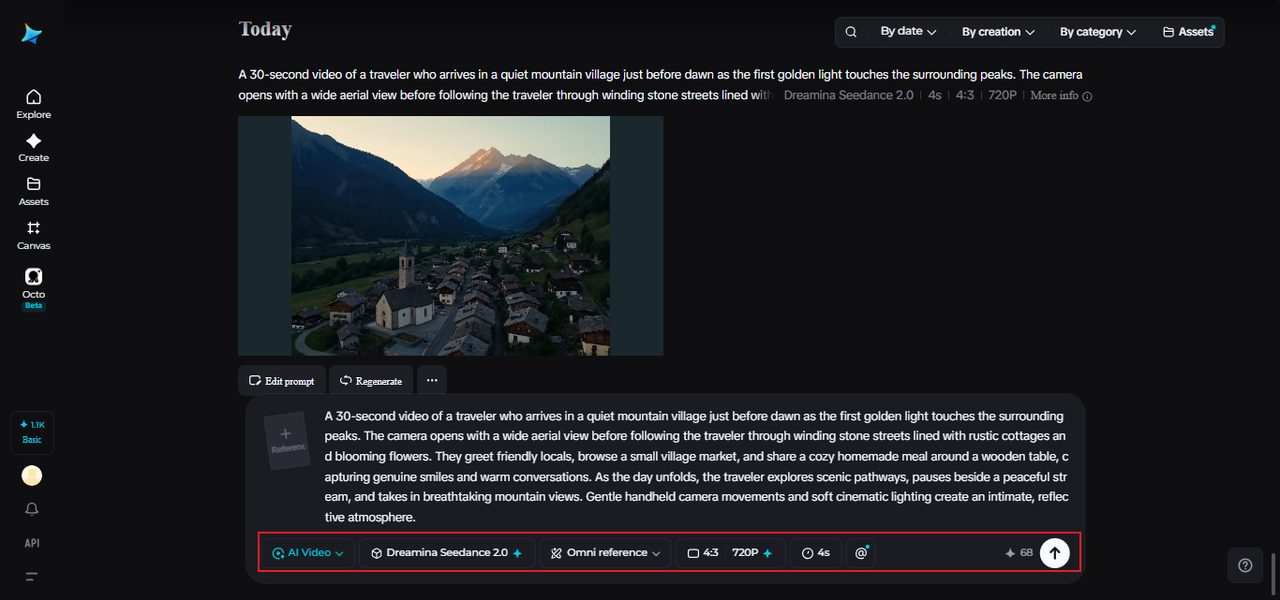
Step 3: Shape the final cut and put it out into the world
Once the video is generated, use Dreamina’s AI editing tools to fine-tune it before saving. Upscale improves resolution for a sharper finish, and generates Soundtrack layers in audio that fit the story’s mood. From there, export the video and share it across whichever platform your audience is on.
Structuring a story before you even write the prompt
A longer video benefits from the same basic instincts as any good story — even before a single frame is generated. Thinking through structure ahead of time tends to produce far stronger results than starting with a vague idea and hoping it comes together:
-
A clear beginning that sets the scene and tone
-
A middle section where something changes, builds, or develops
-
An ending that resolves or leaves an intentional final impression
Creators who map this out beforehand, even loosely, tend to end up with prompts that translate into far more cohesive footage.
What longer-form access changes for independent creators
Extended storytelling used to be the domain of teams with time, budget, and editing expertise. That barrier is getting smaller. A solo creator can now sketch out a narrative arc and see it realized in a single generation, without needing to coordinate footage from multiple shoots or stitch together mismatched clips in post-production. It shifts the real creative work back to where it belongs — in the idea and the storytelling, not in fighting the tool to hold a scene together.
Longer stories used to demand more time, more resources, and more patience than most independent creators had to spare. With Dreamina and its Seedance 2.5 model, that barrier keeps shrinking — turning a story idea into a fully realized, longer-form video that finally has the room to breathe.
