


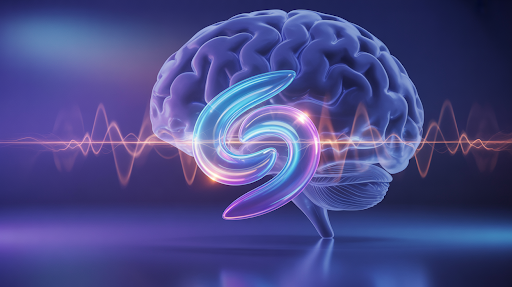
The Psychology of Motion: Why Animated Logos Create Stronger Impressions
A static logo is a name tag. A moving one is a memory. Motion catches the eye. It also holds it. Brands spend millions on awareness, but they often forget how attention works. It doesn’t last unless something earns it. A 2D animated logo doesn’t just introduce your brand. It lodges it into memory.
In the age of scrolls, swipes, and short attention spans, motion is no longer a “nice to have.” It’s a basic strategy. Let’s break down how animation turns simple logos into sticky brand experiences.
Why Movement Stays Longer in the Mind
Your brain loves movement. It’s wired for it. Our visual system evolved to detect motion for survival. Still objects fade from focus. Motion grabs and holds attention longer. That’s why moving ads outperform static ones. That’s why animated logos feel more “alive.”
In a study by the University of Tokyo, dynamic visuals were found to improve brand recall by up to 30% compared to static ones. People don’t just remember what moved. They also remember how it moved.
So when your logo animates in a clean, distinct motion, your viewer forms a stronger connection. The visual becomes more than a mark. It becomes an experience.
Why Static Logos Get Ignored
Think about the average homepage, Instagram feed, or YouTube ad. It’s flooded with visuals. Logos sit in corners or at the end of videos. Most get ignored. Static logos don’t stand out. They sit quietly. That’s a problem in digital spaces built for noise.
But when your logo moves when it swirls, reveals, flips, or expands, it draws a short burst of attention. That burst is enough to create an imprint. Your logo doesn’t need to dance or sparkle. It just needs to move with intention. Clean. Simple. Precise.
How Animation Triggers Emotion Faster
Great branding makes people feel something fast. Motion helps with that. It adds rhythm. It sets a tone. It can make a brand feel playful, serious, smart, or bold all in under three seconds.
This is where psychology plays its part. According to research published in Frontiers in Psychology, motion and emotion are deeply linked. The brain reads movement as emotional context. A quick flick can feel fun. A smooth slide can feel calm. A sharp bounce can feel energetic.
Your logo doesn’t speak. But when it moves, it tells a story. And stories stick better than symbols.
The Role of Sound and Timing
Many 2D logo animations include sound. A soft chime. A snap. A click. Audio makes the logo more immersive. When paired with motion, it forms what’s called “audio-visual synchrony.” That’s a fancy term for something the brain loves when what we see and hear match up perfectly.
This harmony boosts recall. It also sets brand tone. A fintech brand might use soft, polished animation with subtle notes. A toy brand might use punchy pops and bounce.
But even without sound, timing matters. The speed and order of movement affects how your brand is perceived. Fast movements feel bold. Slow movements feel confident. A good animation studio knows how to balance both.
Where You Can See Real Business Value with Animated Logos
Logo animation is a branding strategy. It supports better storytelling across key customer touchpoints. Here’s where 2D animated logos add measurable value:
- Videos: Whether you’re making ads or YouTube intros, an animated logo gives a strong visual hook.
- Websites: A logo that subtly animates on page load makes your brand feel more polished and modern.
- Social media: Animation helps your logo stand out in a feed crowded with static content.
- Presentations: A smooth animated logo sets the tone from slide one.
- Email marketing: Even a small animated GIF of your logo in the footer makes your message more memorable.
Why Businesses Choose Experts for This
A good animation looks effortless. But behind that smooth motion is a precise mix of design, psychology, and technical skill. That’s why many brands turn to logo animation services. These are not just motion designers. They are visual strategists. They think about your industry, audience, and goals before even touching a timeline.
You don’t need a full-blown Pixar-style production. What you need is clean, subtle motion that matches your brand’s tone and elevates its perception. Working with skilled animation services also ensures:
- Consistency with your existing brand assets
- Clean exports in all formats (GIF, MP4, Lottie)
- Versions optimized for different screen sizes
- Proper frame rates and timing for different platforms
What You Can Expect from 2D Specialists
If you want to keep it minimal and smart, 2D is your go-to. It’s simple. It’s fast. It’s scalable. Most brands looking for 2D animation services want something professional, not flashy. They want motion that matches their voice, not distracts from it.
A good 2D animator will:
- Use your current logo files and keep the design intact
- Add subtle motion like reveals, wipes, fades, or morphs
- Keep the length short (usually under five seconds)
- Deliver in high-res formats for web and video
If you’re hiring someone, ask to see past work. Look at the timing, transitions, and flow. A smart animator will also give you multiple concepts, not just one idea.
Bottom Line:
Your logo is often the first thing people see. And the last thing they remember. Make it count. We don’t remember brands because of shapes or colors alone. We remember how they made us feel. And motion is one of the fastest ways to create that feeling.
So don’t let your logo sit flat on the screen. Let it move with purpose.
Need help creating a logo that sticks? Work with teams that offer trusted logo animation services. Or talk to 2D animation services providers who understand how to use motion with restraint and skill.
Don’t chase trends. Focus on psychology. Focus on what actually gets remembered.
