


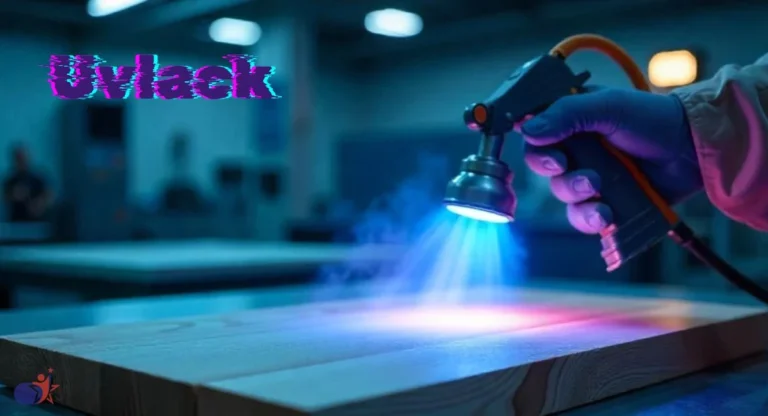
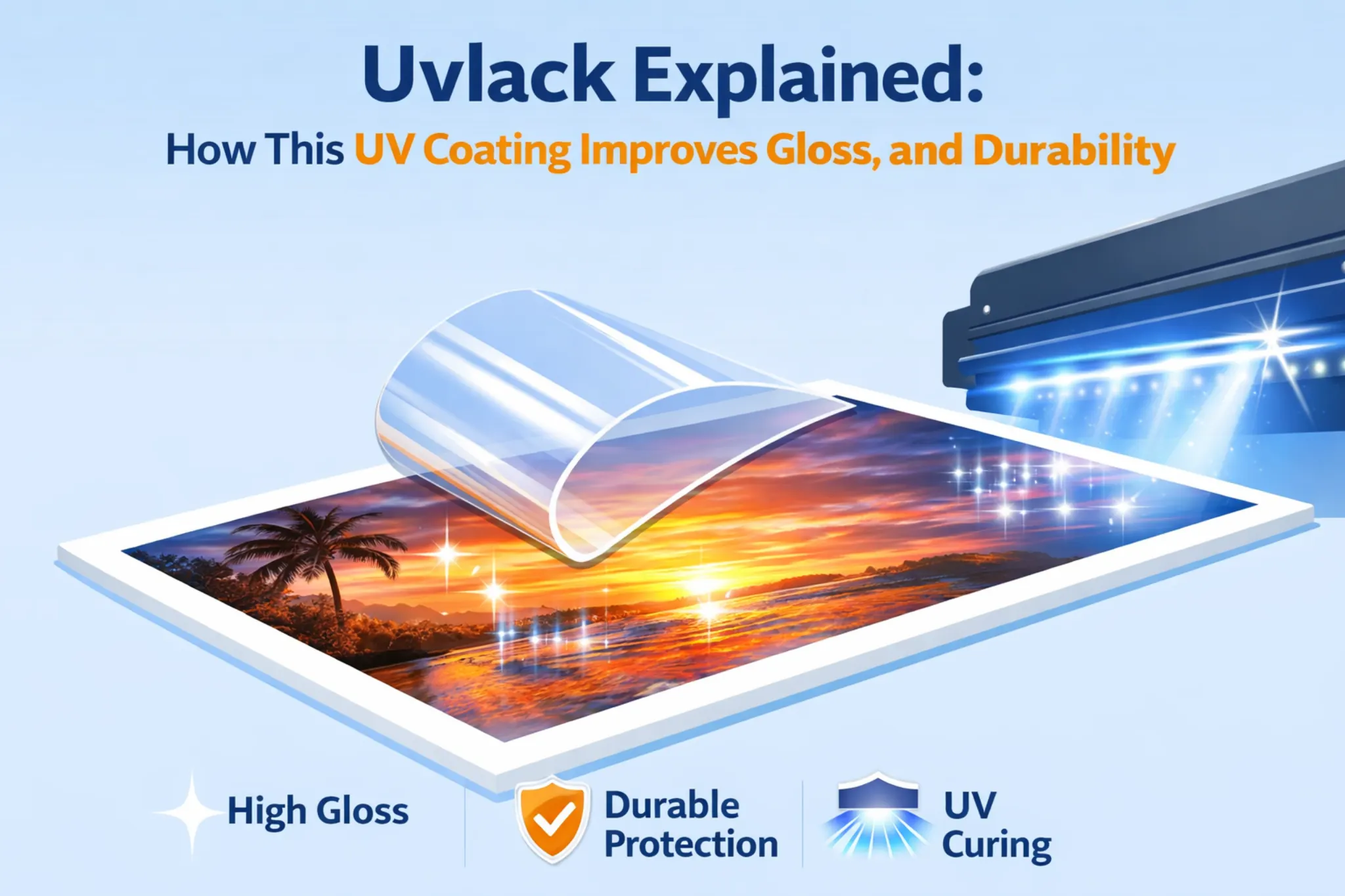
Uvlack is commonly used to describe a UV-cured coating or lacquer that is added to printed surfaces to improve shine, surface feel, and day-to-day durability. In simple terms, it is a clear finish that sits on top of printed paperboard, labels, cards, covers, and packaging, then hardens very quickly under ultraviolet light to create a cleaner, more polished surface.
People usually become interested in Uvlack when they want a printed item to look brighter, feel smoother, or last longer during handling. It is especially popular in packaging and print finishing because it can add a strong visual lift without changing the underlying design. A well-applied UV coating can make colors appear richer, help printed pieces stand out on shelves, and protect the surface from common wear such as rubbing and light moisture exposure.
What Uvlack Means in Practical Terms
When people talk about Uvlack, they are usually referring to a finishing layer rather than the printed design itself. The artwork is printed first, and then a clear coating is applied over all or part of the surface. After that, ultraviolet light cures the coating within seconds, turning it from a wet layer into a hardened finish. That quick cure is one of the main reasons this option is so widely used in modern packaging and commercial print work.
This matters because the final finish can change how a product is seen and handled. A box, brochure, business card, book cover, or promotional card may carry the same design with or without coating, but the coated version often looks sharper and more premium. In many cases, the surface becomes glossier, cleaner, and more resistant to normal scuffing, which makes Uvlack especially appealing for brands that want a stronger first impression.
How the UV Coating Process Works
The process behind Uvlack is fairly simple from the user side, even though the production setup is specialized. A clear liquid coating is spread onto the printed piece, either across the whole sheet or only in selected areas. The coated surface then passes under ultraviolet light, which cures the coating almost immediately. Because it dries so fast, production can move quickly and the finish can be handled sooner than many slower-curing options.
This fast-curing step is one of the reasons Uvlack is often chosen for packaging, covers, and premium print pieces. A quick cure supports speed, consistency, and a smoother finishing process. It also helps create a crisp surface effect that many people associate with retail-ready presentation, luxury packaging, and high-impact marketing materials. In short, the coating does not just protect the piece. It also shapes the way the finished product feels in the hand and reflects light in real use.
Why Uvlack Improves Gloss So Well
The most noticeable benefit of Uvlack is gloss. UV coating is known for producing a high-shine finish that can make printed colors look more vivid and make dark areas appear deeper and more polished. When light hits the surface, the coated layer reflects it in a clean and attractive way, which is why UV-finished packaging often feels more eye-catching than uncoated paper or lightly coated stock.
That glossy effect is not only about appearance. It can also support brand presentation. On shelves, reflective surfaces often help printed packaging catch attention faster. On marketing pieces, the finish can make a design feel more intentional and premium. This is one reason Uvlack is often chosen for product boxes, display packaging, postcards, covers, and other pieces where visual impact matters as much as basic protection.
Full UV and Spot UV
Not every job needs the same finish style. Some projects use a full UV coat across the entire printed surface, while others use spot UV on selected parts only. Spot UV is often applied to logos, titles, patterns, or images to create contrast against a matte or softer background. That mix of textures can make small details stand out much more clearly than a flat finish alone.
Because of that, Uvlack is not only about making everything shiny. It can also be used with restraint. A selective gloss effect can guide the eye, highlight brand elements, and create a more expensive look without changing the core design. For premium packaging or presentation pieces, that targeted use is often one of the smartest ways to balance elegance with impact.
How Uvlack Supports Durability
Along with gloss, durability is one of the main reasons people choose this finish. UV coating can add a protective layer that helps the printed surface hold up better during shipping, display, and everyday handling. It is commonly described as water-resistant, and it can also improve resistance to rubbing and light surface wear, which is helpful for packaging that may be touched many times before it reaches the customer.
That does not mean Uvlack makes a printed item indestructible. It simply gives the outer surface more support than an uncoated finish. For retail boxes, product sleeves, promotional cards, and printed covers, that added protection can preserve appearance longer and reduce the dulling effect that repeated contact can cause. When a brand wants packaging to arrive looking sharp and stay attractive on display, Uvlack often becomes a practical finishing choice rather than just a decorative one.
Where Uvlack Is Most Commonly Used
Uvlack is especially common in printing and packaging because these are the areas where surface appearance matters most. It is frequently used on folding cartons, rigid boxes, retail packaging, labels, business cards, postcards, book covers, catalogs, and other printed pieces that benefit from a polished finish. In many packaging guides, UV coating is presented as a strong choice for luxury, shelf-ready, or brand-focused presentation.
It is also a good fit for projects that rely on color impact and visual contrast. Bright artwork, rich black backgrounds, and brand marks often gain more presence under a UV finish. This makes Uvlack a popular option for beauty packaging, electronics boxes, promotional packaging, game boxes, and other printed items where strong appearance can influence how a product is perceived before it is even opened.
When Uvlack Is a Better Choice Than Other Finishes
Uvlack is often chosen when the goal is to combine quick curing, strong gloss, and a clean protective surface. It works well for projects where visual energy matters more than a soft natural feel. If the print needs to look sleek, bright, and premium, UV coating is often more attractive than a plain varnish and more visually dramatic than a basic water-based finish.
That said, every finish has a purpose, and choosing Uvlack makes the most sense when the material, design, and end use all match its strengths. For example, a premium product box meant to attract attention may benefit more from UV coating than a folded instruction leaflet that needs greater flexibility. The best choice depends on whether appearance, handling, cost, fold performance, or product safety is the top priority.
Uvlack vs Aqueous Coating and Lamination
Aqueous coating is water-based and is often treated as a versatile standard option for packaging. It can provide good protection, can be more flexible, and is often described as friendlier for jobs where fingerprints, scuffs, and fold performance matter. By contrast, UV coating is usually chosen for a stronger gloss effect and a more striking polished look.
Lamination is different again because it adds a film rather than just a clear coating. That often gives a higher level of protection against cracking and tearing, especially on thicker materials, but it also changes the construction of the printed piece. Uvlack can create a similar premium look in some cases, yet it is still a coating process rather than a film layer. This distinction matters when comparing cost, flexibility, feel, and material performance.
Important Limits and Things to Watch
Uvlack has clear strengths, but it is not the perfect answer for every project. One practical issue is flexibility. Some packaging guidance notes that water-based coatings may be more flexible than UV coating, which can crack when heavily folded or creased. That means a design with tight folds, deep scores, or demanding structural movement may need extra care before UV coating is chosen as the final finish.
Another issue is use-case sensitivity. Standard UV systems are not automatically meant for direct food-contact use, and manufacturers often distinguish between general UV products and systems designed for sensitive packaging. In food, pharmaceutical, or similar applications, migration and compliance matter, so special coating systems and proper barriers may be needed. In plain language, Uvlack works very well in many packaging jobs, but the wrong version should not be assumed to suit every regulated application.
Sustainability and Recyclability Questions
Sustainability is now a major part of finishing decisions, so it is fair to ask how Uvlack fits into modern recycling goals. The answer is more nuanced than a simple yes or no. Some newer UV varnish systems have been developed to improve deinkability and recyclability for paper and board packaging, which shows that the industry is actively working to make UV-finished materials more compatible with circular packaging goals.
This does not mean every UV-coated surface performs the same in recycling streams. Material choice, coating chemistry, print method, and end-use design can all affect results. Still, the direction is clear: UV finishing is no longer only about visual effect. It is increasingly being shaped by expectations around recyclability, packaging law, and waste reduction. For brands and buyers, that means finish selection should balance appearance with practical end-of-life considerations.
How to Decide Whether Uvlack Is Right for Your Project
The easiest way to decide is to look at the job from both a design angle and a performance angle. Uvlack makes the most sense when you want a printed item to look brighter, feel smoother, and resist ordinary surface wear better than an uncoated piece. It is especially useful when a premium look, stronger shelf appeal, or selective gloss effect is part of the design goal.
A simple way to judge suitability is to ask whether your project needs these qualities:
- high gloss or targeted shine
- quick curing during finishing
- added surface protection against light wear
- stronger shelf presence for packaging or printed branding
- a special effect such as spot UV on logos or design details
If the answer is yes to most of these points, Uvlack is likely worth considering. If flexibility, fold endurance, direct food contact, or a softer natural feel matters more, another finish may be a better fit. The smartest choice is the one that matches the real-life use of the product, not just the look of a sample sheet.
Final Thoughts
Uvlack is best understood as a fast-cured UV coating that improves both presentation and surface performance. Its biggest strengths are clear: it can create a brighter finish, stronger gloss, better visual contrast, and extra resistance to everyday handling. For printed packaging and promotional materials, those benefits can make a noticeable difference in how a product looks and how long it keeps that fresh appearance.
At the same time, the best results come from using it with purpose. Uvlack is not simply about adding shine. It is about matching the finish to the design, material, and final use. When used well, it can turn ordinary print into something that feels more refined, more durable, and more memorable. That is why it remains such a popular choice in modern printing and packaging.
Frequently Asked Questions (FAQs)
What is Uvlack in simple words?
Uvlack is a clear UV-cured coating added to printed surfaces to improve shine and surface protection. It is often used on packaging, cards, and covers to give them a smoother and more polished finish.
How does Uvlack improve gloss?
It creates a smooth top layer that reflects light more strongly than an uncoated surface. That is why colors often look richer and the final piece appears cleaner and more premium.
Is Uvlack the same as UV coating?
In most practical print and packaging discussions, yes, the term is used that way. It usually refers to a UV-cured lacquer or coating applied after printing.
Where is Uvlack most often used?
It is most often used in packaging and commercial printing, especially on boxes, labels, cards, book covers, and display pieces. These are the kinds of products that benefit from both stronger visual appeal and added surface protection.
Does Uvlack make packaging more durable?
Yes, it can help protect the surface from rubbing, handling, and light moisture exposure. It does not make packaging damage-proof, but it does help printed surfaces stay attractive longer.
Can Uvlack be used only on selected areas?
Yes, that is called spot UV or spot gloss. It is often used on logos, names, or patterns to create contrast and draw attention to important design details.
Is Uvlack better than aqueous coating?
It depends on the job. Uvlack is often better for strong shine and shelf impact, while aqueous coating can be a better choice when flexibility, lower fingerprints, and fold performance matter more.
Can Uvlack crack on folded packaging?
It can in some cases, especially where heavy folding or creasing is involved. That is why structural design and finish choice should always be considered together.
Is Uvlack safe for food packaging?
Not all UV coating systems are meant for direct food contact. Food-related packaging often needs special low-migration or compliant systems, so this should never be assumed without checking the exact application.
Is Uvlack used for matte finishes too?
Yes, UV coating can be available in gloss or matte forms. Even so, it is most widely recognized for its strong glossy visual effect.
Does Uvlack affect recyclability?
It can, depending on the coating system and material design. Newer deinkable UV varnish solutions show that recyclability can be improved when the right chemistry is used.
Why do brands choose Uvlack for packaging?
Brands choose it because it helps packaging look more premium, stand out better, and hold up better during handling. It combines visual appeal with practical surface protection in one finishing step.
FOR MORE : INSIDE FAME
