


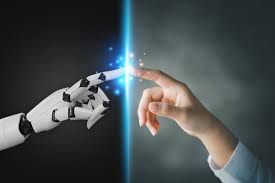
Global companies expand into China for growth, scale, and digital opportunity. Success in this market depends on clear communication in Chinese across websites, apps, product content, and customer support.
Translation quality shapes how customers view a brand. It affects trust, engagement, and conversion rates.
Businesses now use both machine translation and human translation. Each approach has strengths and limits. The best results come from combining both in a structured way.
Professional Chinese translation services help companies balance speed and accuracy. Providers like Ulatus design workflows that use automation and human expertise together.
Machine Translation Strengths
Machine translation systems process large volumes of text quickly. Businesses use them for speed and efficiency.
Machine translation works well for:
- Internal documents
• Draft content creation
• Technical bulk data
• Repetitive product listings
• Large scale content updates
These tasks follow predictable patterns. Machines handle repetition efficiently and reduce workload.
AI based systems also help companies manage multilingual content at scale. This supports fast global operations.
Still, raw machine output is not ready for customer facing use.
Limitations of Machine Translation in Chinese
Chinese language structure creates challenges for machine systems. Meaning depends heavily on context and tone.
Machine translation struggles with:
- Sentence ambiguity
• Cultural meaning
• Industry terminology
• Tone variation
• Regional expressions
A single Chinese phrase can change meaning based on context. Machines often fail to interpret these differences correctly.
Marketing content translated by machines may sound unnatural. Legal or financial content may lose precision.
This creates risks for businesses operating in competitive markets.
Professional Chinese translation services reduce these risks through human review and editing.
Human Translation Strengths
Human translators understand meaning beyond words. They interpret tone, intention, and cultural context.
Human translation improves:
- Accuracy
• Readability
• Cultural adaptation
• Brand tone consistency
• Industry specific terminology
Chinese communication requires awareness of audience expectations. Human translators adjust language based on user behavior and cultural norms.
For example, marketing messages require emotional clarity. Technical documents require precise terminology. Customer support content requires natural tone.
Companies like Ulatus use native linguists and subject matter experts to maintain quality across different content types.
When Machine Translation Works Best
Machine translation works best when speed matters more than final quality.
Suitable use cases include:
- Draft translations
• Internal communication
• High volume repetitive content
• Early stage localization
• Content pre processing
In these cases, machine output reduces workload and improves efficiency.
Still, human review remains important before publishing.
When Human Translation Is Essential
Human translation is required for content that directly impacts customers or business reputation.
Critical areas include:
- Marketing campaigns
• Legal documents
• Financial reports
• Brand messaging
• Customer support content
Errors in these areas create trust issues and financial risk.
Chinese audiences expect accurate and natural communication. Poor translation reduces engagement quickly.
Professional Chinese translation services ensure quality control for high value content.
The Role of Hybrid Translation Models
The most effective approach combines both machine and human translation.
A hybrid workflow usually includes:
- Machine translation for first draft
• Human editing for accuracy
• Native review for tone
• Final quality assurance
This model improves speed while maintaining quality.
Businesses use hybrid translation for:
- E commerce platforms
• Software localization
• Technical documentation
• Global marketing content
Companies like Ulatus implement structured workflows that combine AI tools with linguistic expertise.
Why Balance Matters in Chinese Translation
Relying only on machine translation reduces quality. Relying only on human translation slows down production.
A balanced approach improves both speed and accuracy.
Chinese language requires context awareness, cultural understanding, and precise tone control. Machines support efficiency. Humans ensure meaning.
Professional Chinese translation services help businesses create this balance through managed workflows.
Impact on Global Business Performance
Translation quality directly affects business success in China.
Good translation improves:
- Customer trust
• Brand reputation
• Conversion rates
• User engagement
• Market performance
Poor translation creates confusion and weakens brand value.
Companies entering China must prioritize both speed and accuracy in communication strategies.
Providers like Ulatus help businesses achieve this balance through hybrid translation systems and expert review processes.
Final Perspective
Machine translation and human translation are not competing systems. They work best together.
Machine tools provide speed and scale. Human translators provide accuracy and cultural understanding.
Businesses that combine both approaches achieve stronger communication results in Chinese markets.
Professional Chinese translation services ensure that content is both efficient and accurate. This balance supports long term success in global expansion and customer engagement.
