


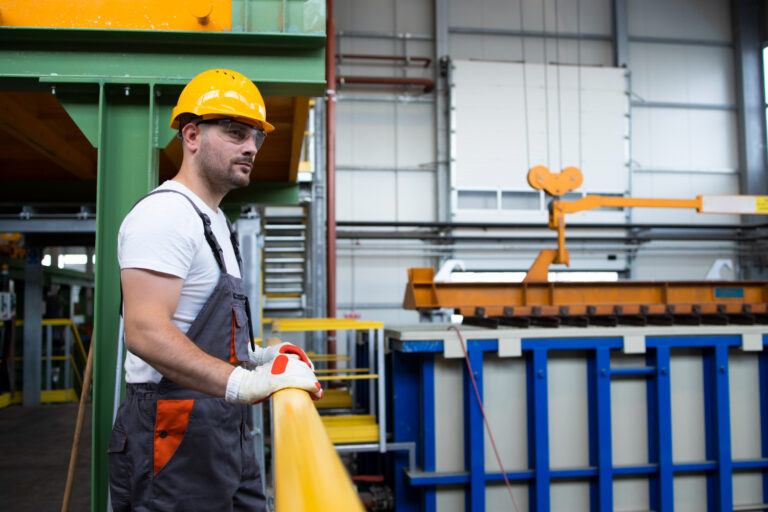
In today’s fast-paced industrial environment, businesses constantly search for ways to improve efficiency, reduce operational costs, and maintain workplace safety. One of the most essential elements contributing to these goals is material handling equipment. From warehouses and manufacturing facilities to construction sites and distribution centers, this equipment plays a crucial role in moving, storing, controlling, and protecting materials throughout the production and delivery process. Without proper systems and machinery, industries would struggle to maintain productivity and meet growing market demands.
The rapid growth of global trade and e-commerce has increased the need for advanced handling solutions capable of managing large volumes of goods quickly and accurately. Companies are now investing heavily in automated technologies, durable machinery, and efficient logistics systems to streamline operations. Material handling systems not only reduce physical labor but also minimize errors, enhance inventory control, and improve overall operational performance.
Businesses that prioritize effective material management often experience better workflow organization and increased profitability. Whether handling raw materials in factories or finished products in warehouses, efficient transportation and storage solutions are necessary for maintaining smooth business operations. As industries continue to evolve, the importance of advanced equipment and innovative handling strategies continues to grow across every sector.
Understanding the Concept of Material Handling Equipment
Material handling equipment refers to the machinery, vehicles, tools, and systems used to move, store, control, and protect materials during manufacturing, warehousing, transportation, and distribution processes. These systems are designed to simplify the movement of goods while reducing manual effort and improving workplace efficiency.The concept includes a wide range of equipment such as forklifts, conveyors, cranes, pallet jacks, automated storage systems, industrial trucks, hoists, shelving units, and robotic systems. Each type of equipment serves a unique purpose depending on the nature of the materials being handled and the operational requirements of the facility.
For example, forklifts are commonly used to lift and transport heavy pallets within warehouses, while conveyor systems automate the movement of products along production lines. Cranes are essential in construction and heavy manufacturing environments where large materials need to be lifted and positioned accurately. Automated storage and retrieval systems help businesses organize inventory efficiently and reduce the time required for order processing.The primary objective of these systems is to improve operational flow while minimizing labor costs and reducing workplace injuries. Efficient handling equipment allows businesses to manage larger workloads with greater accuracy and speed, which ultimately leads to increased customer satisfaction and improved profitability.
The Role of Material Handling Equipment in Industrial Productivity
Industrial productivity depends heavily on how efficiently materials move through various stages of production and distribution. Delays, disorganization, or inefficient transportation methods can negatively impact operations, resulting in increased costs and reduced output. Material handling equipment addresses these challenges by ensuring smooth and continuous movement of goods throughout the workplace.
One of the most significant advantages of handling equipment is time efficiency. Machines can transport heavy materials much faster than manual labor, allowing workers to focus on other important tasks. Automated systems also reduce the likelihood of delays caused by human fatigue or handling errors.Another important benefit is improved inventory management. Modern handling systems often integrate with digital inventory software, allowing businesses to track products in real time. This improves stock accuracy, reduces losses, and enhances supply chain coordination. Companies can quickly locate products, manage stock levels efficiently, and process orders with greater speed.
Workplace safety also improves significantly with proper equipment use. Handling heavy materials manually can lead to injuries such as muscle strains, back problems, and accidents caused by falling objects. Equipment designed for lifting and transportation reduces these risks by performing physically demanding tasks safely and efficiently.Furthermore, businesses that invest in advanced handling solutions often experience lower operational costs over time. Efficient systems reduce labor expenses, minimize product damage, and improve energy utilization. This combination of benefits contributes to stronger business performance and long-term sustainability.
Different Types of Material Handling Equipment
The material handling industry includes a wide variety of machines and systems designed for specific operational needs. Understanding these categories helps businesses select the most suitable equipment for their facilities.
Storage and Handling Equipment
Storage systems are used to organize and store materials efficiently within warehouses and industrial facilities. Common examples include pallet racks, shelving systems, bins, mezzanines, and storage cabinets. These solutions maximize space utilization and improve inventory accessibility.
Automated storage systems have become increasingly popular because they improve efficiency and reduce labor requirements. These systems use robotic technology and computerized controls to retrieve and store products accurately, making them ideal for high-volume operations.
Industrial Trucks
Industrial trucks are among the most commonly used forms of material handling equipment. This category includes forklifts, pallet jacks, hand trucks, reach trucks, and order pickers. These vehicles are designed to transport materials quickly and safely across short distances.
Forklifts are especially important in warehouses and manufacturing facilities because they can lift heavy loads and move pallets efficiently. Electric forklifts have gained popularity due to their lower emissions and reduced maintenance requirements compared to internal combustion models.
Bulk Material Handling Equipment
Bulk handling systems are designed to transport large quantities of loose materials such as grains, coal, sand, minerals, and chemicals. Examples include conveyor belts, stackers, reclaimers, bucket elevators, and silos.
These systems are widely used in industries such as mining, agriculture, and food processing where large volumes of raw materials need to be moved continuously. Automated bulk handling systems improve operational efficiency while reducing waste and manual labor.
Engineered Systems
Engineered systems involve advanced automated solutions designed for large-scale industrial operations. These include conveyor networks, robotic handling systems, automated guided vehicles, and integrated warehouse management systems.Such systems are commonly used in e-commerce fulfillment centers and manufacturing plants where speed and precision are essential. Automation helps businesses handle increasing demand while maintaining consistent quality and efficiency.
Importance of Automation in Material Handling
Automation has transformed industrial operations by improving productivity, reducing labor dependency, and increasing operational accuracy. Modern handling systems now incorporate robotics, artificial intelligence, sensors, and software integration to optimize material movement and storage processes.
Automated guided vehicles are becoming increasingly common in warehouses and manufacturing facilities. These vehicles use navigation technology to transport materials without direct human control. By reducing manual transportation tasks, businesses can improve efficiency and lower labor costs.Robotic systems also play an important role in packaging, sorting, and palletizing operations. These machines can perform repetitive tasks with exceptional speed and precision, reducing the likelihood of human error. As technology advances, robotic systems continue to become more flexible and cost-effective for businesses of all sizes.
Warehouse management software has further improved automation by providing real-time inventory tracking and operational analysis. Managers can monitor stock levels, equipment performance, and workflow efficiency through centralized digital systems. This data-driven approach allows businesses to make informed decisions and improve operational planning.Automation not only improves productivity but also enhances workplace safety. Machines can perform dangerous or physically demanding tasks that may pose risks to workers. This reduces accident rates and creates a safer working environment for employees.
Safety Considerations in Material Handling Operations
Safety remains one of the most critical aspects of industrial operations involving material handling equipment. Improper equipment use, inadequate maintenance, or insufficient training can result in serious accidents, injuries, and property damage.
Operator training is essential for ensuring safe equipment operation. Workers should understand how to use machinery correctly, follow safety protocols, and recognize potential hazards. Training programs help reduce accidents caused by improper handling techniques or operator negligence.
Regular equipment inspections are equally important. Machines should be checked for mechanical issues, worn components, hydraulic leaks, and electrical faults before operation. Preventive maintenance helps identify problems early and reduces the likelihood of unexpected failures.Workplace organization also contributes to safety. Clearly marked pathways, proper lighting, and designated storage areas help minimize collisions and operational confusion. Facilities should establish clear traffic management systems for vehicles and pedestrians to reduce accident risks.
Load stability is another major concern in handling operations. Overloading equipment or improperly securing materials can lead to tipping accidents and falling objects. Operators should always follow manufacturer load capacity guidelines and use appropriate securing methods during transportation.Personal protective equipment such as helmets, gloves, safety shoes, and reflective clothing further enhances worker safety. Combined with proper training and maintenance practices, these measures create a safer and more efficient work environment.
The Impact of Material Handling Equipment on Supply Chain Efficiency
Supply chain efficiency depends heavily on the ability to move products quickly and accurately from one stage to another. Material handling equipment plays a crucial role in ensuring smooth coordination between manufacturing, storage, transportation, and distribution processes.
Efficient handling systems reduce delays in product movement, allowing businesses to meet delivery schedules consistently. Faster order processing improves customer satisfaction and strengthens business reputation in competitive markets.
Handling equipment also minimizes product damage during transportation and storage. Proper lifting systems, conveyors, and packaging technologies help protect goods from breakage and contamination. This reduces financial losses and improves inventory quality.Warehouse efficiency improves significantly when businesses implement advanced handling systems. Automated storage solutions optimize space utilization while reducing retrieval times. This allows companies to manage larger inventories without requiring excessive warehouse expansion.
Transportation coordination becomes easier with efficient handling systems as well. Loading docks equipped with conveyors, forklifts, and pallet systems streamline the movement of goods between warehouses and delivery vehicles. Faster loading and unloading operations improve transportation efficiency and reduce turnaround times.As global supply chains continue to expand, businesses increasingly rely on advanced handling technologies to remain competitive and responsive to market demands.
Maintenance Strategies for Long-Term Equipment Performance
Proper maintenance is essential for ensuring the reliability and longevity of material handling equipment. Neglecting maintenance can lead to frequent breakdowns, costly repairs, and operational disruptions that negatively affect productivity.
Preventive maintenance programs involve scheduled inspections, lubrication, cleaning, and component replacement before major issues develop. This proactive approach reduces downtime and extends equipment lifespan.
Operators should conduct daily inspections to identify visible damage, leaks, unusual noises, or performance irregularities. Reporting these issues early allows maintenance teams to address problems before they worsen.Battery maintenance is especially important for electric equipment. Proper charging practices, regular cleaning, and monitoring electrolyte levels help maximize battery efficiency and lifespan.
Hydraulic systems require close attention because they are critical for lifting and movement operations. Maintaining fluid quality, checking hoses for leaks, and replacing worn seals help prevent performance issues and system failures.Keeping detailed maintenance records also improves equipment management. Businesses can track repair history, identify recurring problems, and schedule maintenance more effectively based on equipment usage patterns.
Future Trends in Material Handling Technology
The future of material handling equipment is closely tied to technological innovation and automation. Industries are increasingly adopting smart technologies to improve efficiency, sustainability, and operational flexibility.
Artificial intelligence is expected to play a major role in future handling systems. AI-powered software can analyze operational data, predict maintenance requirements, and optimize workflow patterns automatically. This improves decision-making and reduces operational inefficiencies.Autonomous mobile robots are becoming more advanced and affordable, making them accessible to a wider range of businesses. These robots can navigate warehouses independently, transport products, and collaborate with human workers to improve productivity.
Sustainability is another growing trend influencing equipment design. Electric and hydrogen-powered vehicles are replacing traditional fuel-based machinery in many industries. These environmentally friendly alternatives reduce emissions and support corporate sustainability goals.Internet of Things technology is also transforming equipment monitoring and maintenance. Connected machines can transmit real-time performance data, allowing businesses to monitor operations remotely and detect issues instantly.As these technologies continue to develop, the material handling industry will become more efficient, automated, and environmentally responsible.
Conclusion
Material handling equipment has become an essential foundation of modern industrial operations. From improving productivity and workplace safety to supporting efficient supply chain management, these systems play a vital role in the success of businesses across numerous industries. Efficient handling solutions allow companies to move, store, and manage materials with greater accuracy, speed, and reliability.
The growing demand for automation and technological innovation continues to reshape the industry, introducing smarter systems capable of improving operational efficiency while reducing costs. Businesses that invest in advanced handling technologies and proper maintenance practices are better positioned to remain competitive in rapidly evolving markets.
Safety, productivity, and sustainability will continue to drive future developments in material handling systems. As industries expand and customer expectations increase, efficient equipment and intelligent logistics solutions will remain critical for supporting long-term business growth and operational success.Ultimately, companies that understand the value of effective material handling strategies can achieve higher efficiency, lower operational risks, and stronger profitability in an increasingly demanding industrial environment.
