


The Pilfer Game on Merriam-Webster is a fast online word game built around one simple idea: make words quickly, then steal better ones before someone else does. Instead of waiting for turns, everyone plays in real time from the same pool of falling letter tiles. That makes every round feel lively, tense, and fun. You are not just spelling words for points. You are also watching the board, reading your opponents, and looking for the next smart move. That mix of speed, spelling, and timing is why the game stands out so quickly.
For many players in the US and UK, the Pilfer Game feels fresh because it combines familiar wordplay with a competitive twist. It has the clear word-building appeal people already enjoy in classic language games, but the stealing system changes everything. A word that feels safe one second can be gone the next. That creates constant pressure in a good way. The game stays easy to understand, yet it still gives skilled players plenty of room to improve. If you want a word game that feels active instead of slow, Pilfer is a strong choice.
What Makes the Pilfer Game Different?
The biggest reason the Pilfer Game feels different is that it is not just about finding words. It is about protecting them, growing them, and taking them away from others at the right time. Merriam-Webster presents it as a real-time game where you can play against other people or the computer, and that setup gives it a much faster mood than many other browser word games. The shared letter pool also means every player is fighting over the same opportunities, so the board becomes a live contest rather than a private puzzle.
That live competition makes the game feel more strategic than it first appears. A strong player does not only look for the longest word on the screen. They also think about what their opponents may be building, which small words are unsafe, and which larger words may be hard to steal. Even a simple move can have two benefits at once. You might score points for yourself while also lowering another player’s total. That kind of push-and-pull gives the Pilfer Game its sharp edge and keeps matches exciting from start to finish.
How the Pilfer Game Works
At the start of a round, letters begin dropping into the play area. Your job is to turn those letters into valid words of at least three letters as quickly as you can. The match continues as more letters appear, and everyone uses that same shared supply to build, change, and steal words. A full game uses 60 letter tiles, so each round has a clear rhythm. Early on, you are often trying to grab useful short words. Later, you are usually looking for stronger upgrades, longer steals, and late swings that can change the result.
The game ends after all 60 tiles have appeared and the last moments of play are over. That structure gives each match a nice balance. There is enough time to settle in and think, but not so much time that the pace disappears. If you enjoy games that reward fast eyes and fast fingers, this format works well. It also makes the Pilfer Game very replayable. No two rounds feel exactly the same because the letters, timing, and player decisions keep changing.
Scoring and Word Stealing
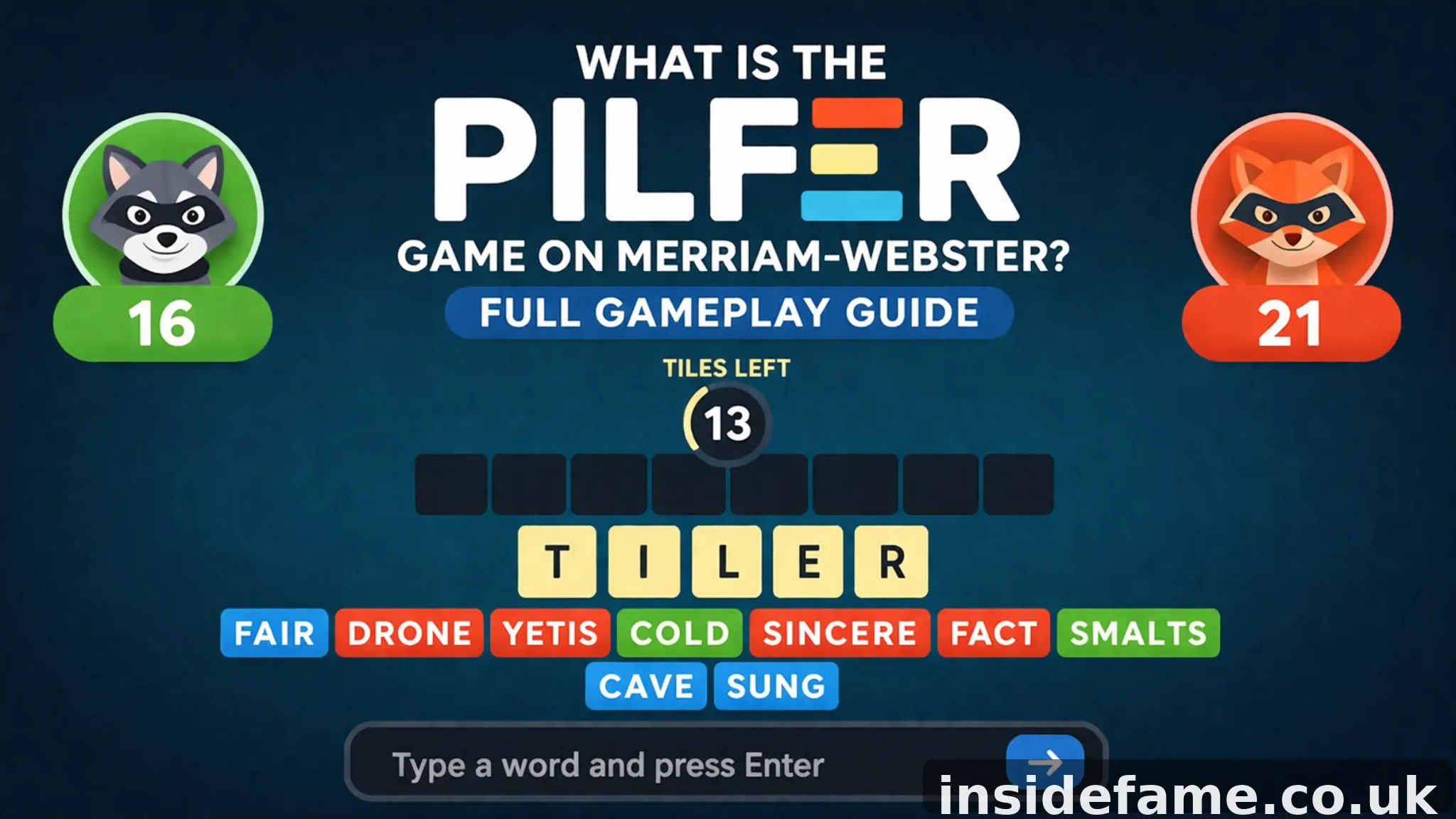
Scoring in the Pilfer Game is easy to understand, which is part of its appeal. When you make a word, you get one point for each letter in that word. A three-letter word earns three points. A five-letter word earns five. That simple scoring style keeps the game readable and helps new players learn quickly. You do not need to memorize special tile values or board bonuses. Instead, your success mostly comes from how well you build and how smartly you react when the board opens up.
Stealing is where the game becomes much more interesting. To steal a word, you add at least one new letter and make a new valid word from the old one. For example, a short word can turn into a longer word by adding one letter and rearranging the rest. When that happens, the player who made the new word gains those points, and the earlier owner loses the points from the stolen word. That is why steals feel so powerful. They do not only help you move up. They can pull someone else down at the same time.
A Rule New Players Should Know Early
One important rule catches many beginners by surprise: you cannot steal a word just by adding an “s” to the end. That means simple plural forms are not enough by themselves. The game wants a more meaningful change. You need to add another letter or make a different arrangement that creates a truly new word. This rule matters because it stops the game from becoming too shallow. Without it, many steals would be cheap and obvious, and the matches would feel less skillful.
Once you understand that rule, the board starts to look different. You stop seeing only complete words and start seeing shapes that can grow in many directions. A short word can become a longer one with a prefix, a suffix, or a fresh arrangement. That is when the Pilfer Game becomes more than quick spelling. It becomes pattern reading. Strong players train themselves to spot hidden extensions inside common words, and that habit can make a huge difference once the pace starts rising.
Practical Habits That Help You Win
If you want to improve at the Pilfer Game, a few habits matter more than anything else:
- Build quickly, but do not panic.
- Look for steals before making brand-new words.
- Upgrade your own weak words before others do.
- Keep scanning the whole board, not just the tile pile.
- Save mental energy for the last stretch of the match.
These habits work because the game rewards awareness as much as vocabulary. A player who knows many words but watches only one area can still lose to someone more alert. Good board scanning helps you spot chances the second they appear. Calm speed also matters. Rushing too hard can cause missed steals, typing mistakes, or weak choices. The best results usually come from controlled pressure. Stay active, stay flexible, and remember that one strong late move can matter more than several average early ones.
Playing with Friends, Strangers, or the Computer
Merriam-Webster gives players a few different ways to enjoy the Pilfer Game. You can join public games, set up private matches with friends, or play against the computer. That variety is useful because not every player wants the same kind of session. A quick solo round is great for practice. A private game is perfect if you want a more relaxed match with people you know. Public play adds a little extra pressure and can be the best way to test how your skills hold up against different styles.
This range of options also helps the game appeal to a wider audience. Some players just want a casual word challenge while drinking coffee. Others want sharper competition and faster boards. The Pilfer Game can support both moods. If you are brand new, computer matches are a smart place to begin because they let you learn the flow without the stress of live opponents. Once you feel comfortable, moving into public or private games can make the experience even more fun.
Is the Pilfer Game Good for Vocabulary?
Yes, the Pilfer Game can be very good for vocabulary, but not in a dull classroom way. It teaches through action. You start noticing letter patterns, common endings, useful prefixes, and flexible word shapes because the game makes those ideas valuable in real time. The more you play, the more natural it becomes to spot words inside other words. That kind of repeated practice can strengthen spelling, improve recall, and make you quicker at recognizing language patterns.
It is also helpful because it pushes active thinking instead of passive recognition. You are not only reading words on a page. You are making fast decisions with them. That can make the learning feel more natural and memorable. For adults, it is a fun brain workout. For younger players, it can be a light and enjoyable way to build word confidence. Even when you lose, you often come away having noticed a new pattern or a smarter way to extend a familiar word.
Common Mistakes Players Make
A common mistake in the Pilfer Game is focusing only on new words from the tile pile and ignoring steals. That can leave a lot of points on the table. Since stealing can help you while hurting another player, it is often one of the strongest moves available. Another mistake is building many tiny words without a plan for protecting or extending them. That can make your score look solid for a moment, but it also gives your opponents easy targets once the right letters appear.
Some players also spend too long hunting for the perfect move. Pilfer rewards speed, so waiting too much can cost more than making a good word that is not amazing. On the other hand, constant rushing can be just as bad if it leads to weak choices or missed chances elsewhere on the board. The goal is to find a middle ground. Play fast enough to stay active, but thoughtfully enough to notice the best steals and protect your own scoring chances.
Who Will Enjoy the Pilfer Game Most?
The Pilfer Game is a strong fit for people who like wordplay but want more energy than a standard puzzle offers. If you enjoy anagrams, spelling games, quick browser games, or competitive play with friends, there is a good chance Pilfer will click with you. It is especially appealing for players who like matches that are easy to start but hard to master. The rules are not heavy, yet the gameplay still feels layered once you understand how stealing and timing work together.
It also suits people who enjoy short sessions. You do not need to set aside a huge block of time to get value from it. One round can be enough to feel entertained, challenged, and mentally awake. That makes it a nice option during a work break, in the evening, or whenever you want something sharper than mindless scrolling. For many players, that mix of quick access and real challenge is exactly what makes the Pilfer Game easy to keep returning to.
Final Thoughts
So, what is the Pilfer Game on Merriam-Webster? It is a clever real-time word game that mixes vocabulary, timing, and tactical stealing into one fast format. The idea is simple enough for beginners to understand within minutes, yet the match flow has enough depth to keep skilled players interested. That is a hard balance to strike, and it is one reason the game feels stronger than many other free browser word games. It gives you immediate fun, but it also gives you reasons to improve.
If you want a word game that feels lively, competitive, and rewarding without being hard to learn, the Pilfer Game is well worth trying. Build words fast, protect your best work, and never stop watching for steals. The more you play, the more patterns you will notice and the more confident your decisions will become. In the end, that is the charm of Pilfer. It turns simple letters into a fast contest of focus, language, and smart timing.
Frequently Asked Questions (FAQs)
Is the Pilfer Game free to play?
Yes, the Pilfer Game is available as a free browser game on Merriam-Webster. That makes it easy to try without downloading special software or paying first.
Can I play the Pilfer Game alone?
Yes, you can play against the computer if you want practice or a quick solo round. This is a great way to learn the pace before facing other people.
How many players can join a Pilfer match?
Pilfer supports multiplayer play with other people in live matches. It is built to feel active and competitive rather than slow or turn-based.
How do you score points in the Pilfer Game?
You score one point for each letter in a valid word you make. Longer words are worth more, and steals can create bigger score swings.
What does “stealing” mean in Pilfer?
Stealing means taking an existing word and turning it into a new valid word by adding at least one new letter. That new word becomes yours instead.
Can I steal my own word in the Pilfer Game?
Yes, you can improve your own word by extending it into a longer one. This is often a smart way to make it harder for others to take.
Are short words worth making?
They can be, especially early in a match when you want quick points and useful building blocks. The trick is to extend them before they become easy targets.
Can I just add an “s” to steal a word?
No, a simple plural with only an added “s” does not count as a valid steal. You need a fuller change that creates a more meaningful new word.
Is the Pilfer Game good for kids?
It can be a very good choice for kids who already enjoy spelling and wordplay. The game supports quick thinking, pattern spotting, and vocabulary growth.
Does Pilfer feel more like Scrabble or more like an anagram game?
It feels closer to a fast anagram game because everyone works from a shared pool of letters in real time. Still, it has its own style because of the stealing system.
What is the best tip for beginners?
Start with simple words, but always think about what they can become next. A small word is often most useful when it sets up a stronger follow-up move.
Why do people like the Pilfer Game so much?
Many players enjoy the mix of speed, language, and direct competition. It feels easy to begin, but every match gives you new chances to improve and outthink the board.
FOR MORE : INSIDE FAME
